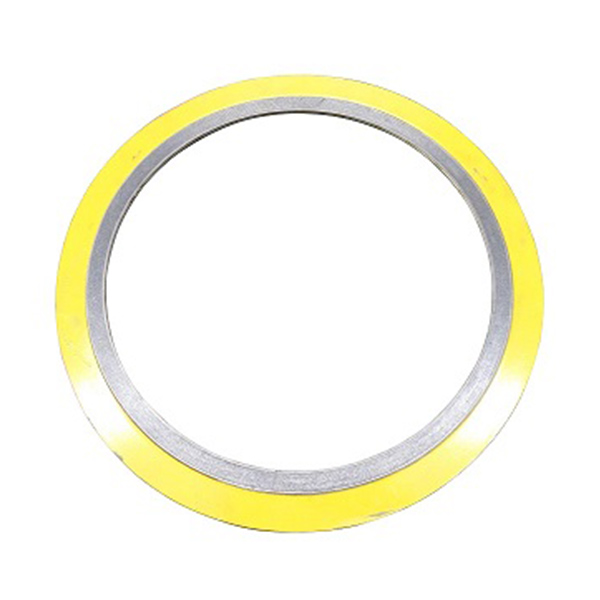

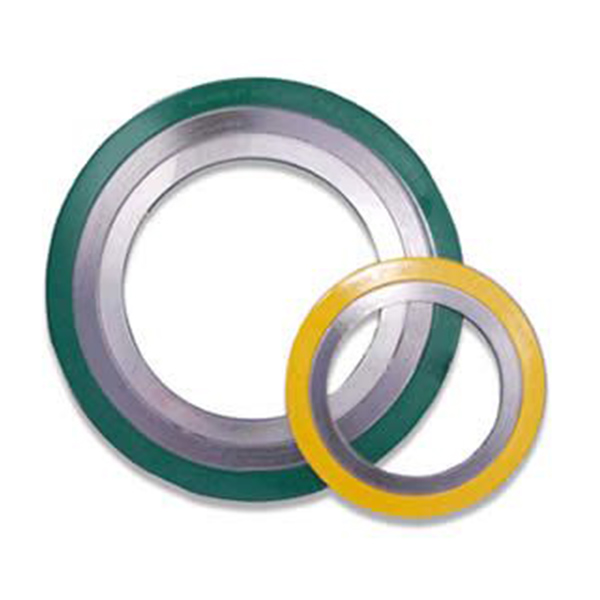
Ring Joint Gaskets Manufacturer & Supplier in China
Understanding Ring Joint Gaskets: A Comprehensive Guide
When it comes to sealing solutions in high-pressure and high-temperature environments, Ring Joint Gaskets are a critical component. These gaskets are widely used in industries such as oil and gas, petrochemical, and power generation due to their reliability and performance. They are designed to create a metal-to-metal seal that prevents leaks in flanged connections, making them ideal for applications where safety and integrity are paramount.
Ring Joint Gaskets, often abbreviated as RJ gaskets, come in various materials and sizes to suit different operational needs. They are typically made from soft iron, low-carbon steel, stainless steel, or other alloys, depending on the service conditions. The selection of the right gasket is crucial to ensure optimal performance and longevity of the equipment.
Key Parameters of Ring Joint Gaskets
To help you understand the specifications better, here is a detailed list of common parameters for Ring Joint Gaskets:
- Material: Available in materials like soft iron, 316 stainless steel, Inconel, and Monel, chosen based on corrosion resistance and temperature requirements.
- Size Range: Standard sizes from R10 to R80, corresponding to nominal pipe sizes and pressure ratings.
- Pressure Rating: Designed to withstand pressures up to 20,000 psi or more, depending on the gasket type and material.
- Temperature Range: Operable from cryogenic temperatures as low as -150°F to high temperatures exceeding 1000°F.
- Surface Finish: Critical for sealing; typically requires a smooth finish with specific roughness values to ensure proper deformation and seal.
- Standards: Compliant with ASME B16.20, API 6A, and other international standards to ensure quality and interoperability.
For a more detailed comparison, refer to the table below which outlines common types of Ring Joint Gaskets and their characteristics:
| Type | Material | Pressure Rating (psi) | Temperature Range (°F) | Common Applications |
|---|---|---|---|---|
| R Series | Soft Iron | Up to 5,000 | -20 to 400 | General industrial flanges |
| RX Series | 316 Stainless Steel | Up to 10,000 | -150 to 800 | Oil and gas wellheads |
| BX Series | Inconel | Up to 20,000 | -50 to 1200 | High-pressure valves and fittings |
Frequently Asked Questions (FAQ) About Ring Joint Gaskets
What is a Ring Joint Gasket?
A Ring Joint Gasket is a type of metallic gasket used in flanged connections to create a high-integrity seal. It consists of an oval or octagonal ring that fits into a corresponding groove in the flange faces, deforming under bolt load to form a tight seal suitable for extreme conditions.
How do I select the right Ring Joint Gasket for my application?
Selection depends on factors such as pressure, temperature, fluid compatibility, and flange standards. Consult the manufacturer's specifications and relevant standards like ASME B16.20 to choose the appropriate material (e.g., soft iron for non-corrosive environments, stainless steel for corrosive services) and size based on your flange type and operating conditions.
What are the common materials used in Ring Joint Gaskets?
Common materials include soft iron, carbon steel, stainless steel (e.g., 304, 316), and high-performance alloys like Inconel and Monel. The choice depends on the application's corrosion resistance needs, temperature range, and pressure requirements to ensure durability and prevent failure.
How do I install a Ring Joint Gasket properly?
Installation involves cleaning the flange faces and groove thoroughly, placing the gasket in the groove without twisting, and tightening the bolts in a crisscross pattern to the specified torque values. This ensures even compression and a leak-free seal. Always follow the manufacturer's guidelines and use proper tools to avoid damage.
What causes Ring Joint Gasket failures?
Failures can occur due to improper installation (e.g., over-tightening or under-tightening bolts), material incompatibility with the service fluid, excessive temperatures or pressures beyond the gasket's rating, or damage to the gasket or flange surfaces. Regular inspection and adherence to standards can mitigate these risks.
Can Ring Joint Gaskets be reused?
Generally, Ring Joint Gaskets are not recommended for reuse because they deform during initial installation to create the seal. Reusing a deformed gasket may lead to leaks. Always replace with a new gasket during maintenance or reassembly to ensure reliability.
What standards apply to Ring Joint Gaskets?
Key standards include ASME B16.20 for ring joint gaskets and grooves, API 6A for wellhead and Christmas tree equipment, and ISO 10423. These standards define dimensions, materials, and testing requirements to ensure safety and performance in industrial applications.
How do I identify the correct Ring Joint Gasket size?
The size is typically denoted by a number (e.g., R45) that corresponds to the flange size and pressure class. Measure the groove dimensions (width, depth, and pitch diameter) and refer to standard charts or consult the flange manufacturer to match the gasket type (R, RX, or BX series) accurately.
- View as

API Ring Joint Type Gasket
API Ring Joint Type Gasket come in two basic types, an oval cross section (Style 377) and an octagonal cross section (Style 388). These basic shapes are used in pressures up to 10,000 psi. The dimensions are standardized and require specially grooved flanges.

Lens Ring Joint Gasket
> Lens Ring Joint Gasket used in higher pressure than 3,000 lbs. > These gaskets had been used on pipe flanges in synthesizing line.

BX Ring Joint Gasket
> BX Ring Joint Gasket to the octagonal ring joint > BX series can only be used with 6BX flanges > BX rings for higher pressure rating starting at 5,000 lbs, and ending with 20,000 lbs. > Rings can not be re-used.

RX Ring Joint Gasket
> Ring Joint Gaskets are for oilfield and process industry duties. > RX Ring Joint Gasketare designed for pressures up to 15,000 PSI. > RX types of gaskets are more costly then Oval and Octagonal rings. > RX type gaskets perform excellent in API 6B flanged.

Octagonal Ring Joint Gasket
> Octagonal Ring Joint Gasket are for oilfield and process industry duties. > Octagonal shape gasket is belong to API 6A R series > These gaskets are used in pressures up to 10,000 PSI, more than Oval ring joint. > The oval type is the only gasket that will fit a bottom radiused groove. > Gaskets and not re-used after torque.

Oval Ring Joint Gasket
> Oval Ring Joint Gasket are for oilfield and process industry duties. > Oval shape gasket is belong to API 6A R series > These gaskets are used in pressures up to 10,000 PSI. > The oval type is the only gasket that will fit a bottom radiused groove. > Gaskets and not re-used after torque.
Kaxite is a leading China Ring Joint Gaskets Manufacturer & Supplier in China manufacturer, supplier and exporter. Adhering to the pursuit of perfect quality of products, so that our Ring Joint Gaskets Manufacturer & Supplier in China have been satisfied by many customers. Extreme design, quality raw materials, high performance and competitive price are what every customer wants, and that's also what we can offer you. Of course, also essential is our perfect after-sales service. If you are interested in our Ring Joint Gaskets Manufacturer & Supplier in China services, you can consult us now, we will reply to you in time!