

Basalt Fiber Cloth
Model:KXT
Basalt fiber cloth (model KXT BF400) is a woven fabric made from continuous basalt filament yarn of 9–13 µm diameter. Plain or twill weave, standard width 1–2 m. Working temperature 500–980 °C, melting point around 1250 °C. Non-combustible, no toxic gas emission, no thermal shrinkage. Texturized basalt fabric is a strong competitor to Kevlar, Nomex and Teflon for fireproof suits, fire curtains, fire blankets and welding protection. Silicone-coated and aluminium foil laminated versions available. ISO 9001 certified factory in Ningbo, China. Reply within 2 business hours.
1What Is Basalt Fiber Cloth?
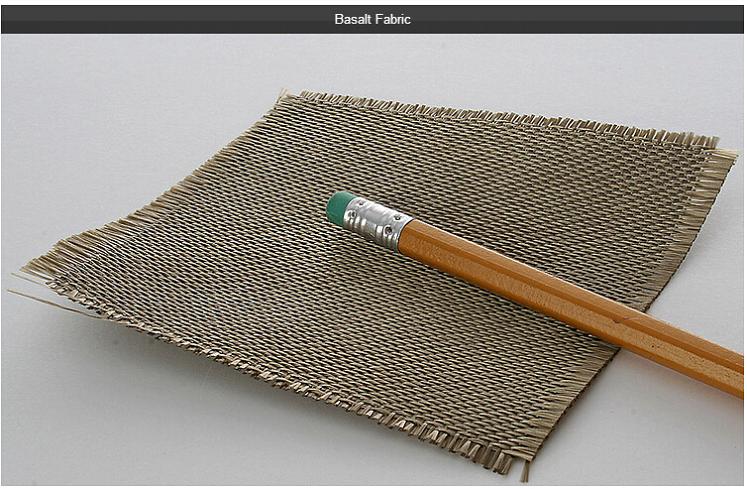
Basalt fiber cloth (also called basalt fabric or fireproof basalt cloth; Kaxite model KXT BF400) is a woven fabric made from continuous basalt filament yarn. Basalt fiber is produced by melting natural basalt rock at around 1450–1500 °C and drawing it into continuous filaments — an inorganic mineral fiber with high temperature resistance, no combustion and no toxic gas emission. Basalt fiber cloth is woven in plain or twill construction from filaments of 9–13 µm diameter.
A specialized version, texturized basalt fiber fabric, is woven from basalt yarn that has been volumized with high-pressure air. Texturized basalt fiber fabric has a softer, bulkier hand and higher thermal insulation, which makes it the preferred material for fireproof suits and fire curtains. Basalt fiber cloth is a strong competitor to Kevlar, Nomex and Teflon for fireproof applications because it is non-combustible, resists higher continuous temperature and does not emit toxic gas.
2Basalt Fiber Cloth — Key Specifications
ModelKXT BF400
Filament Diameter9 – 13 µm
WeavePlain or twill
Width1 – 2 m
Working Temperature500 – 980 °C
Melting PointAround 1250 °C
Flame BehaviourNon-combustible
Roll Length30 m / 50 m standard
3Why Choose Basalt Fiber Cloth
Basalt fiber cloth is selected when fireproof protection must be combined with high continuous temperature resistance. Key advantages of basalt fiber cloth include:
- Non-combustible — basalt fiber does not burn, and emits no toxic gas when exposed to flame.
- High continuous working temperature — 500–980 °C continuous, with melting point around 1250 °C.
- No thermal shrinkage — the fabric does not deform or crack under a 1000 °C flame for one hour.
- Better alkali resistance than glass fiber — basalt fiber has good resistance to acids, alkalis and most industrial chemicals.
- High tensile strength — the woven construction provides good mechanical integrity for protective linings.
- No toxic gas emission — unlike many organic aramid fabrics, basalt fiber does not produce toxic smoke under fire conditions.
- Competitive cost — a strong alternative to Kevlar, Nomex and Teflon for fireproof applications, at a lower cost per m².
- Coating options — silicone, aluminium foil laminate and vermiculite coatings available for added protection against abrasion, moisture or molten metal splash.
4Basalt Fiber Cloth — Technical Data Sheet
| Property | Typical Value |
|---|---|
| Material | Continuous basalt filament yarn |
| Filament diameter | 9 – 13 µm |
| Weave | Plain or twill |
| Width | 1 – 2 m (custom on request) |
| Working temperature | 500 – 980 °C continuous |
| Melting point | Around 1250 °C |
| Thermal shrinkage | None at rated working temperature |
| Flame behaviour | Non-combustible; no toxic gas emission |
| Chemical resistance | Good to acids, alkalis and most industrial chemicals |
| Standard roll length | 30 m or 50 m (custom cut lengths on request) |
| Colour | Golden brown to dark brown |
| Coating options | Silicone-coated, aluminium foil laminated, vermiculite-coated |
| Construction options | Standard basalt fabric, texturized basalt fabric |
Values above are typical for the KXT BF400 family. Please request the current data sheet for the exact grade and width you require.
5Basalt Fiber Cloth vs Kevlar, Nomex and Teflon
Buyers often compare basalt fiber cloth with aramid fabrics (Kevlar, Nomex) and PTFE-coated fabrics (Teflon) for fireproof applications. The table below summarises the main differences.
| Property | Basalt Fiber Cloth | Kevlar / Nomex | Teflon-coated Fabric |
|---|---|---|---|
| Combustion | Non-combustible | Self-extinguishing | Melts at high temperature |
| Continuous working temperature | 500 – 980 °C | 200 – 300 °C | 250 – 300 °C |
| Toxic gas under flame | None | Limited | Possible |
| Thermal shrinkage | None | Up to 5 % | Possible |
| Flexibility | Moderate | High | High |
| Chemical resistance | Good (acid and alkali) | Good | Excellent |
| Cost | Low | High | Medium |
| Best for | Fire curtains, welding blankets, fireproof linings | Close-fitting garments, gloves | Non-stick and chemical-resistant linings |
For fire curtains, fire blankets, welding protection and high-temperature linings, basalt fiber cloth is often the most cost-effective choice. For close-fitting garments that require maximum flexibility, aramid fabrics may be preferred. See Basalt Fiber Sleeving for the sleeve version of this material.
6Typical Applications of Basalt Fiber Cloth
Basalt fiber cloth is specified wherever a flexible, non-combustible, high-temperature fabric is required. Common applications include:
- Fireproof suits and protective garments — outer shells of welding and firefighter protective suits using texturized basalt fabric.
- Fire curtains and fire blankets — non-combustible barriers for theatres, industrial areas and welding stations.
- Welding protection — welding blankets, spark guards and welding curtains.
- Fireproof bags and firewalls — protective covers for cables, pipes and sensitive equipment in high-temperature zones.
- Marine construction and large steel structures — fire barriers and thermal protection during fabrication and maintenance.
- Electrical maintenance — protective shielding during live-line and arc-flash work.
- Metallurgy and chemical industries — thermal insulation of furnace doors, ladle covers and process lines.
- General industry — high-temperature gaskets, expansion joint covers and insulation wrapping.
7Custom Fabrication & Ordering Options
We supply basalt fiber cloth in the form that best fits your production line. Tell us the width, coating and quantity and we will quote the closest standard roll or a custom run.
| Option | Available Range |
|---|---|
| Form | Roll, cut-to-length sheet, sewn blanket, sewn curtain |
| Width | 1 – 2 m standard; custom on request |
| Roll length | 30 m or 50 m standard; custom cut lengths on request |
| Weave | Plain or twill |
| Construction | Standard basalt fabric, texturized basalt fabric |
| Coating | Uncoated, silicone-coated, aluminium foil laminated, vermiculite-coated |
| Edge finish | Raw cut, heat-sealed, sewn with stainless steel wire or basalt thread |
| Branding | Neutral packing or your own label — OEM / ODM welcome |
Send us the width, coating requirement and application details and we will quote the most economical basalt fiber cloth layout. Related grades: Basalt Fiber Yarn, Basalt Fiber Rope, Basalt Fiber Tape.
Need a price for basalt fiber cloth today? Tell us width, roll length, coating and quantity — our technical sales team replies within 2 business hours.
8Quality Assurance & Supplier Commitments
ISO 9001:2015Manufacturing under an ISO 9001 certified quality management system.
Material ListIncoming basalt yarn grade, filament diameter and batch number recorded for full traceability.
Response SpeedTechnical sales team replies within 2 business hours for quotes and technical questions.
Batch TestingFabric weight, weave density, filament diameter, width and surface finish checked per batch.
Third-Party InspectionSGS, BV, TÜV or your nominated inspector welcome before shipment.
Free SamplesFree A4-size cloth samples for evaluation; courier cost deductible from the first order.
9Ordering, Packing & Delivery
| Item | Details |
|---|---|
| Minimum order quantity | 100 kg for standard grades (negotiable for trial orders and mixed containers) |
| Sample policy | Free A4-size cloth samples for evaluation; buyer covers courier cost |
| Lead time | Typically 15 – 25 days after order confirmation; stock items ship faster |
| Packing | Cloth wound on cardboard cores or folded, then in export cartons or woven bags on pallets |
| Shipping | Sea, air or express; FOB Ningbo/Shanghai, CIF, DDP on request |
| Payment | T/T, L/C at sight, and other terms to be agreed |
| Documentation | Commercial invoice, packing list, bill of lading, certificate of origin, test report |
Lead times are indicative and confirmed per order.
10Frequently Asked Questions
What is basalt fiber cloth used for?
Basalt fiber cloth is used for fireproof and high-temperature protection. Typical applications include fireproof suits, fire curtains, fire blankets, fireproof bags, firewalls, welding blankets and protective linings for marine construction, large steel structures, electrical maintenance, metallurgy and chemical industries.
What is the working temperature of basalt fiber cloth?
The continuous working temperature of basalt fiber cloth is 500–980 °C. The melting point of the basalt fiber is around 1250 °C. Unlike some organic aramid fabrics, basalt fiber cloth is non-combustible and does not deform or crack under a 1000 °C flame for one hour. Tell us your specific temperature cycle and we will confirm the appropriate grade.
What is the difference between standard basalt fabric and texturized basalt fabric?
Standard basalt fabric is woven from continuous basalt filament yarn and has a smooth, dense surface. Texturized basalt fabric is woven from basalt yarn that has been volumized with high-pressure air, giving the fabric a softer, bulkier hand and higher thermal insulation. Texturized basalt fabric is the preferred material for fireproof suits, fire curtains and fire blankets because it is more comfortable and provides better thermal protection.
Is basalt fiber cloth a good alternative to Kevlar, Nomex or Teflon?
For fireproof applications, texturized basalt fiber fabric is a strong competitor to Kevlar, Nomex and Teflon. Basalt fiber cloth is non-combustible, resists higher continuous temperature (up to 980 °C) than Nomex or Kevlar, emits no toxic gas when exposed to flame, and has no thermal shrinkage. The trade-off is slightly lower flexibility and a rougher texture than aramid fabrics, which is why basalt fabric is often used for fire curtains, fire blankets and welding protection rather than close-fitting garments.
What sizes and coatings are available?
Standard roll width is 1–2 m, with 30 m or 50 m roll lengths. Custom widths and cut-to-length pieces are available on request. Standard cloth is uncoated; silicone-coated, aluminium foil laminated and vermiculite-coated versions are available on request for abrasion, moisture or molten metal splash protection.
Is basalt fiber cloth safe for handling?
Basalt fiber is a mineral fiber and, like glass or ceramic fiber, can cause skin and respiratory irritation when cut or handled without protection. Use appropriate dust extraction, gloves and a dust mask when cutting or installing the cloth, and follow local health and safety regulations. Silicone-coated versions generate less dust during handling.
What is the MOQ and delivery time?
Standard MOQ is 100 kg, negotiable for trial orders and mixed containers. Production lead time is normally 15–25 days after order confirmation, and stock sizes can ship sooner.
Can I get a free sample before placing an order?
Yes. We provide free A4-size cloth samples for evaluation; the buyer covers the courier cost, which can be deducted from the first order. Send us your width, coating requirement and application details so we can send the most suitable sample.
Send your specification — get a quotation and a free sample Include width, roll length, weave, coating requirement and annual quantity for the fastest response.
Technical review: This basalt fiber cloth product page was reviewed by the Kaxite application engineering team.
Data sheet version: KXT BF400-2026-09. Specifications subject to change without notice.
Last reviewed: September 2026.
Data sheet version: KXT BF400-2026-09. Specifications subject to change without notice.
Last reviewed: September 2026.
Send Inquiry
Contact Info
-
Address
No. 432 Zhenhai Middle Road, Luotuo Street, Zhenhai District, Ningbo City, Zhejiang China
-
-
Email
Request a Quote or Technical Consultation
Share your sealing requirement and our technical sales team will respond within 24 business hours. For fastest service, include your flange specification, operating pressure, temperature, and process media in the message below.


News Recommendations