Gasket Materials – Sheets, Tapes and Jointing for Industrial Sealing
Understanding Gasket Materials: A Comprehensive Guide
When it comes to industrial and mechanical applications, the choice of Gasket Materials is crucial for ensuring leak-proof seals, durability, and performance under various conditions. Gasket materials serve as sealing elements between two or more mating surfaces, preventing the escape of fluids or gases. This guide delves deep into the key aspects of gasket materials, including types, properties, applications, and frequently asked questions, to help you make informed decisions for your projects.
Types of Gasket Materials
Gasket materials can be broadly categorized based on their composition and intended use. Here are the most common types:
- Rubber Gaskets: Made from materials like EPDM, Nitrile, or Silicone, these are flexible and resistant to weathering, making them ideal for automotive and outdoor applications.
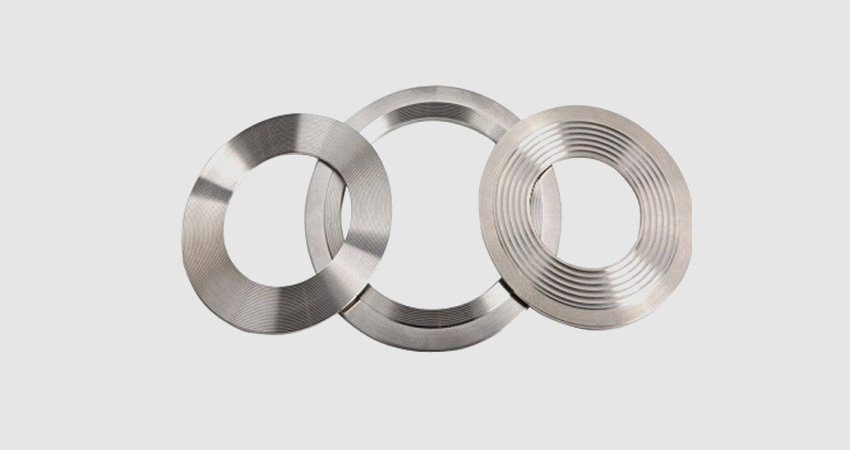
- Metal Gaskets: Constructed from stainless steel, copper, or aluminum, these offer high strength and temperature resistance, commonly used in high-pressure systems like pipelines and engines.
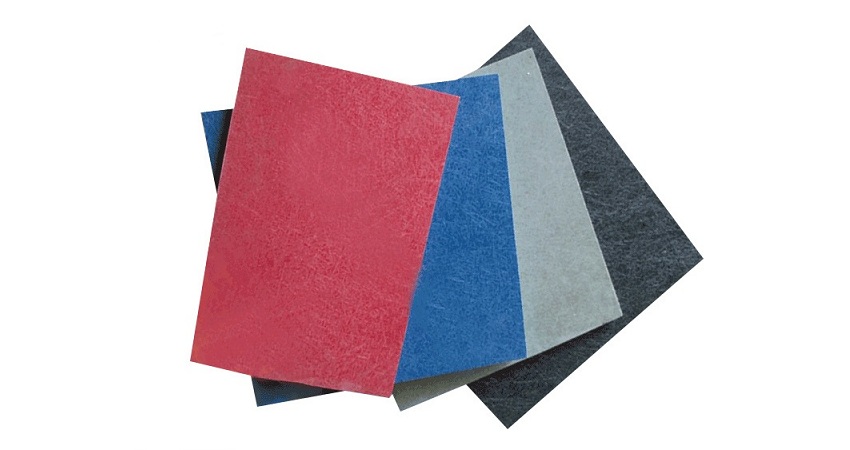
- Fiber Gaskets: Composed of materials such as cellulose or aramid fibers, these are cost-effective and suitable for low to medium pressure environments.
- PTFE Gaskets: Made from polytetrafluoroethylene, these provide excellent chemical resistance and are often used in corrosive environments.
- Compressed Non-Asbestos Gaskets: A safer alternative to asbestos, these are durable and resistant to heat and chemicals, widely used in industrial settings.
Key Parameters and Specifications
To select the right gasket material, it's essential to consider various parameters. Below is a detailed table outlining the critical specifications for common gasket materials:
| Material Type | Temperature Range (°C) | Pressure Resistance (PSI) | Chemical Resistance | Common Applications |
|---|---|---|---|---|
| EPDM Rubber | -40 to 150 | Up to 150 | Good resistance to weather, ozone, and water | Automotive systems, HVAC |
| Stainless Steel | -200 to 800 | Up to 5000 | Excellent resistance to corrosion and oxidation | High-temperature pipelines, engines |
| Cellulose Fiber | -30 to 120 | Up to 200 | Fair resistance to oils and solvents | General purpose sealing, plumbing |
| PTFE | -200 to 260 | Up to 1000 | Exceptional resistance to chemicals and acids | Chemical processing, pharmaceuticals |
| Compressed Non-Asbestos | -40 to 400 | Up to 1500 | Good resistance to heat and chemicals | Industrial machinery, boilers |
In addition to these parameters, other factors like thickness, density, and compression set should be evaluated based on specific application requirements. For instance, thicker gaskets may be needed for uneven surfaces, while higher density materials offer better sealing under high pressure.
Applications of Gasket Materials
Gasket materials are ubiquitous across industries. Here's a list of common applications:
- Automotive Industry: Used in engine gaskets, exhaust systems, and fluid seals to prevent leaks and ensure efficiency.
- Oil and Gas: Essential for pipeline flanges, valves, and pumps where high pressure and corrosive fluids are present.
- Chemical Processing: Employed in reactors, tanks, and piping systems to handle aggressive chemicals safely.
- HVAC Systems: Utilized in air handling units and refrigeration to maintain airtight seals and energy efficiency.
- Food and Beverage: Food-grade gaskets ensure hygiene and prevent contamination in processing equipment.
Frequently Asked Questions (FAQ) About Gasket Materials
What is the primary function of a gasket material?
The primary function of a gasket material is to create a seal between two or more mating surfaces, preventing the leakage of fluids or gases while accommodating surface imperfections and variations in pressure and temperature.
How do I choose the right gasket material for my application?
To choose the right gasket material, consider factors such as the operating temperature range, pressure conditions, chemical exposure, and the type of fluid or gas being sealed. Refer to material specifications and consult with experts if needed to ensure compatibility and performance.
Can gasket materials be reused?
Most gasket materials are designed for single use because compression and exposure to conditions can degrade their sealing properties. Reusing gaskets may lead to leaks and failures, so it's generally recommended to replace them during maintenance.
What are the signs of gasket failure?
Signs of gasket failure include visible leaks, reduced system performance, unusual noises, or increased energy consumption. Regular inspection and maintenance can help detect issues early and prevent costly downtime.
Are there environmentally friendly gasket materials available?
Yes, there are eco-friendly options such as recycled rubber gaskets or biodegradable materials. Additionally, non-asbestos gaskets are safer for health and the environment compared to traditional asbestos-based materials.
How does temperature affect gasket material performance?
Temperature can significantly impact gasket material performance by causing expansion, contraction, or degradation. Materials must be selected based on their rated temperature range to maintain seal integrity and avoid failures in extreme conditions.
What is the difference between static and dynamic gaskets?
Static gaskets are used between stationary surfaces, such as flanges, and rely on compression for sealing. Dynamic gaskets, like those in engines or pumps, accommodate movement and require materials with flexibility and wear resistance.
Can gasket materials be customized for specific needs?
Yes, gasket materials can be customized in terms of size, shape, thickness, and composition to meet unique application requirements. Manufacturers often offer tailored solutions based on client specifications.
How important is surface finish when installing gaskets?
Surface finish is critical for proper gasket performance. Rough surfaces may require thicker or softer materials to fill imperfections, while smooth surfaces can work with thinner gaskets. Always follow manufacturer guidelines for surface preparation.
What maintenance practices extend the life of gasket materials?
Regular inspection, proper installation without over-tightening, and using the correct material for the application can extend gasket life. Avoid exposure to超出 rated conditions and replace gaskets during scheduled maintenance.


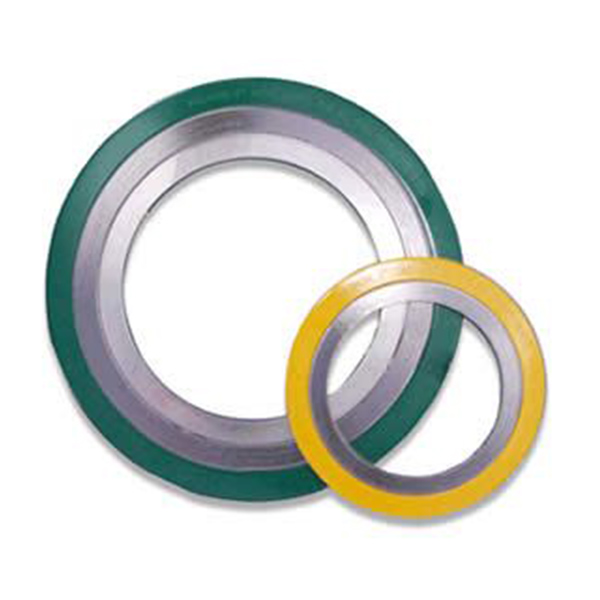
- View as

Mica Tape Filler Used for Making Spiral Wound Gasket
MR107 is an asbestos-free mica tape filler engineered specifically for the spiral wound gasket production line. In normal operation it holds 800 °C working temperature at <4 MPa across PH 2–13 — hot water, steam, heat transfer media, ammonia, hydrogen, organic solvents, hydrocarbons, and low-temperature liquids. In a fire event, natural mica carries the tape up to 950 °C and synthetic mica up to 1100 °C as a fire-wall barrier, so the gasket remains functional rather than melting through. The tape is flexible, high-tensile, and compatible with standard vertical or longitudinal winding equipment at up to 3000 rpm, applied in one or more layers at 10–50 % overlap per the applicable norm.

Crinkled Flexible Graphite Tape with Adhesive
Crinkled Flexible Graphite Tape With Adhesive Tape made of pure graphite (99% grade) with or without a self-adhesive layer. A standard thickness is 0.8 and 0.5mm and a width availability: 8, 10, 12, 15, 20, 25, 30 mm. The graphite tape has the full chemical resistance (0-14 pH), high thermal resistance up to 900°C and it can withstands a montage pressure 250 N/mm2. The tape is crinkled or corrugated to enhance the tape flexibility.

Flat Stainless Steel 316 or 304 Spool Metallic Strip Tape for Spiral Wound Gasket
GR105 is a continuous single-piece spool of flat stainless steel strip for spiral wound gasket production, supplied in 304 / 304L or 316 / 316L — the two grades that cover the bulk of industrial SWG demand. 304 is the general-service choice at lower cost; 316 / 316L adds 2–3 % molybdenum for chloride and chemical resistance, making it the standard for refinery, petrochemical, marine and chemical process service. Each spool weighs 20–25 kg in one continuous piece — drastically fewer reel changes than traditional small pancake rolls. Thickness 0.16–0.50 mm, width 2.9–100 mm with pre-matched widths 4.8–5.3 mm for 4.5 mm SWG and 3.6–4.0 mm for 3.2 mm SWG. Send your service media and chloride exposure for a same-week 304-vs-316 recommendation and factory quote.

Flat Stainless Steel Spool Metallic Strip Tape for Spiral Wound Gasket
GR105 is a continuous spool stainless steel metal strip engineered for the spiral wound gasket winding line. Each spool is one continuous piece weighing 15–25 kg, eliminating the frequent reel changes that traditional small pancake rolls force on the operator. Thickness 0.16–0.50 mm, width 2.9–100 mm, with pre-matched widths for the standard SWG sizes — 4.8–5.3 mm for 4.5 mm SWG and 3.6–4.0 mm for 3.2 mm SWG. Stock materials span 304(L), 316L, 321, 317L, 31803, Monel 400, Ti, Inconel, Hastelloy C/B, and Zircaloy 702 — the same strip also serves double jacketed gaskets and gasket eyelets. Send your steel grade, width, and spool weight for a same-week factory quote.
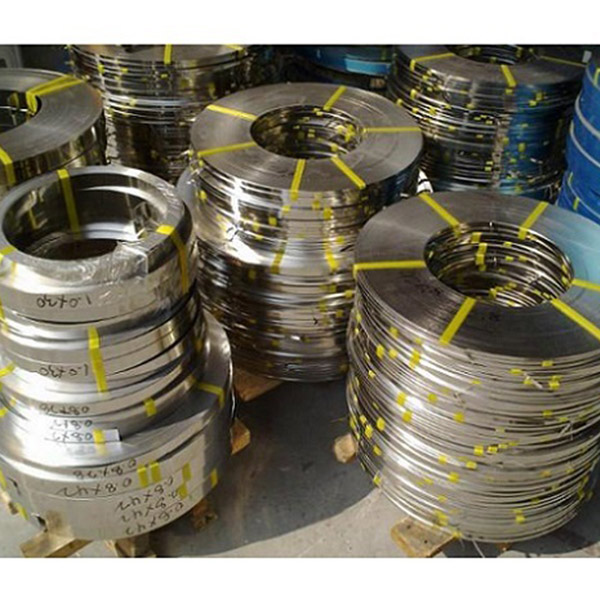
Stainless Steel Metal Strip Tape for Inner and Outer Ring of Spiral Wound Gasket
Spiral wound gasket inner and outer ring is made of Stainless Steel Metal Strip Tape for Inner and Outer Ring of Spiral wound gasket, we have many materials such as 304(L), 316(L), 321, 317L, 31803, Mon 400 to make Spiral Inner and outer ring. You can have those material from us Kaxite to bend the gasket ring. Flat Stainless Steel Metal Strip Tape for Inner and Outer Ring of Spiral wound gasket is normally to bend inner and outer rings of Spiral wound gaskets. Grooved metallic strip is making for Kammprofile gaskets.

Spool Metallic Strip for SWG
Spool metallic strip for SWG 15 ~ 25 KGS of each spool. Saves a lot of material changing time. One piece of each spool.
Kaxite is a leading China Gasket Materials manufacturer, supplier and exporter. Adhering to the pursuit of perfect quality of products, so that our Gasket Materials have been satisfied by many customers. Extreme design, quality raw materials, high performance and competitive price are what every customer wants, and that's also what we can offer you. Of course, also essential is our perfect after-sales service. If you are interested in our Gasket Materials services, you can consult us now, we will reply to you in time!