
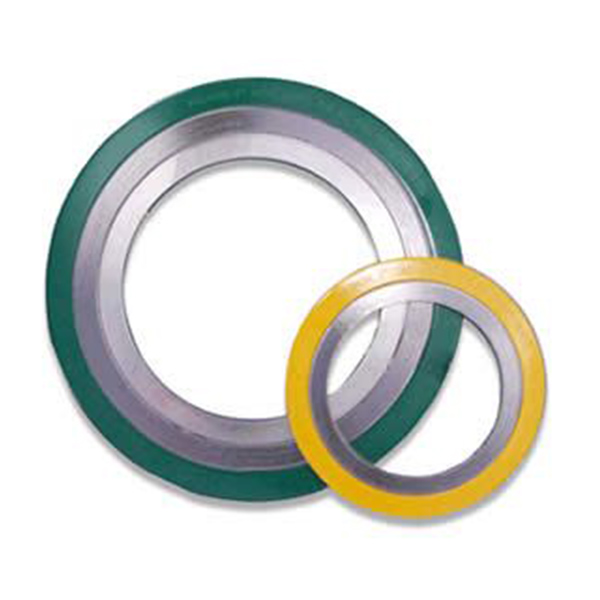

Cork Rubber Gasket
Model:KXT 1720
KXT-1720 cork rubber gasket is manufactured from solid cork granules bonded with neoprene (CR) rubber, supplied as custom die-cut gaskets and composite parts. Service temperature range is −30°C to +120°C, with low-to-medium compressibility, moderate oil resistance and good resistance to atmospheric attack. Specified in transformers, electrical switchgear, hydraulic equipment and outdoor sealing applications where a compressible, weather-resistant gasket with moderate oil tolerance is required. Custom sizes and shapes made to drawing or physical sample; factory-direct pricing within 24 business hours.
What is a cork rubber gasket? A cork rubber gasket is a compressible composite gasket made from solid cork granules bonded with an elastomer — in the case of Kaxite KXT-1720, a neoprene (CR) rubber binder. The cork provides compressibility and conformability; the CR binder provides resilience, oil tolerance and weather resistance. Service temperature range is −30°C to +120°C, with low-to-medium compressibility, moderate oil resistance and good resistance to atmospheric attack. Specified in transformers, electrical switchgear, hydraulic equipment, heavy industrial equipment and outdoor sealing applications.
Kaxite KXT-1720 cork rubber gaskets are supplied as custom die-cut gaskets or composite parts made to drawing, dimension list or physical sample. The cork-and-CR construction is a balance point in the rubber gasket range: softer and more compressible than a solid rubber gasket, harder and more oil-resistant than a cork sheet gasket. Where the joint needs maximum compressibility in dry service, cork sheet is the cheaper alternative; where the joint carries oil or fuel at higher pressure, a solid rubber or nitrile (NBR) gasket is the correct material instead.
Specifications
KXT-1720 Cork Rubber Gasket — Specifications, Temperature Range and Factory Quote
The data below covers the standard KXT-1720 cork rubber compound. Non-standard thicknesses, densities and coloured grades (for identification or food-contact) are available on request. Include the required thickness, gasket OD / ID / bolt circle or drawing, and quantity in the enquiry for accurate pricing and lead time.
Material Solid cork granules + Neoprene (CR) binder Cork provides compressibility; CR provides resilience, oil tolerance and weather resistance
Service Temperature −30°C to +120°C Above +120°C, CR binder degrades and the cork matrix loses elasticity
Compressibility Low to medium Conforms to surface imperfections under moderate bolt load; suitable for stamped and cast flange faces
Oil Resistance Moderate Suitable for intermittent oil contact and transformer oil; not for continuous fuel or aromatic solvent service
Atmospheric Resistance Good — weather, ozone and UV resistant Specified for outdoor sealing where a natural rubber gasket would degrade
Density (typical) 0.5 – 0.7 g/cm³ Confirm against the actual grade — density varies with cork-to-binder ratio
Hardness (typical) 60 – 75 Shore A Confirm against the actual grade — hardness varies with binder ratio
Colour Brown (standard) / Black (on request) Alternative colours for identification or food-contact are available on request
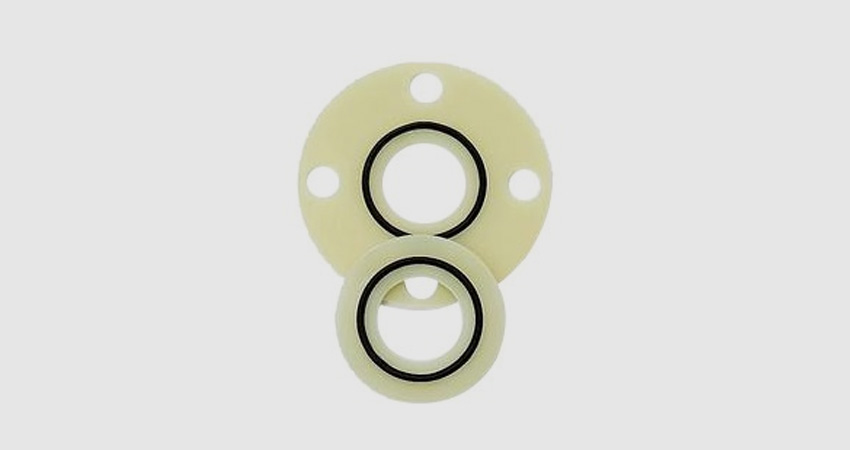
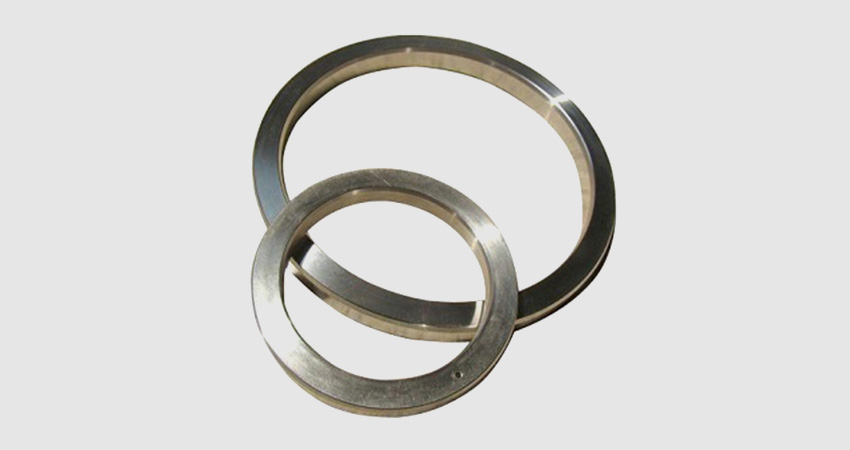
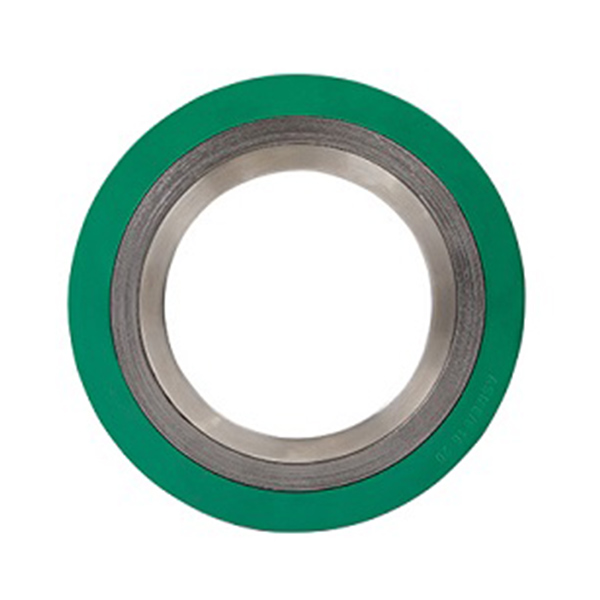
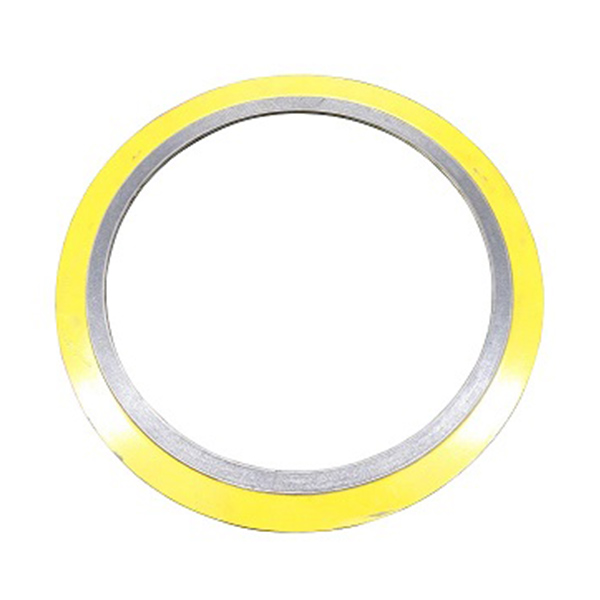
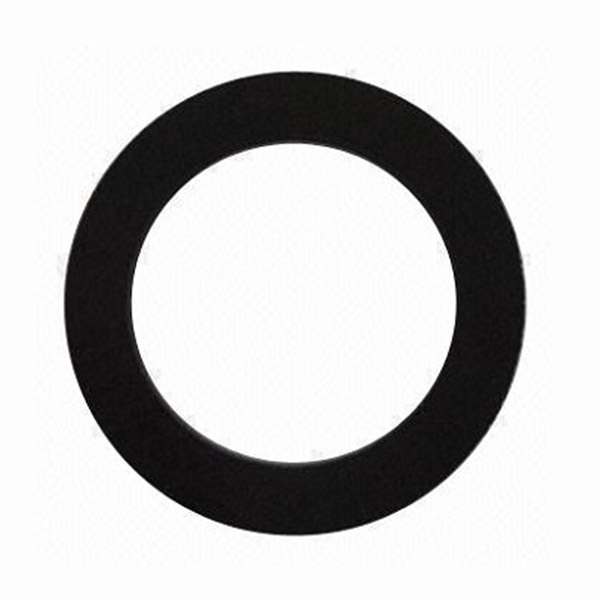
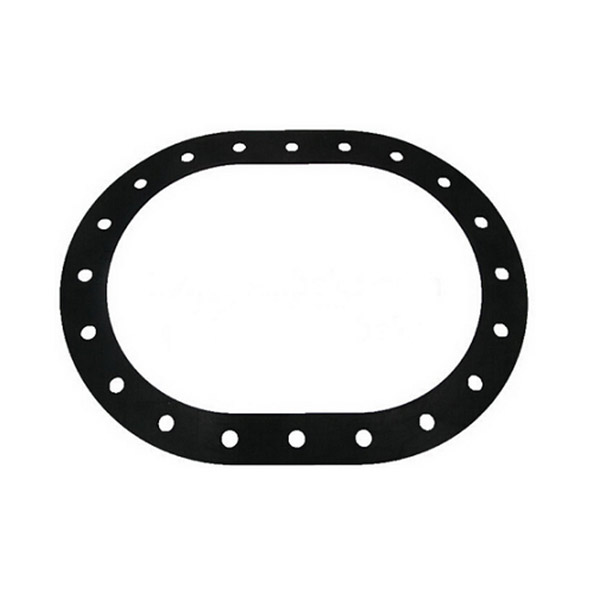
Custom Size Die-cut or composite parts to drawing / sample Flange gaskets, ring gaskets, rectangular / oval, and multi-layer composite parts
Standard Thickness Range 1 – 12 mm (other thickness on request) Thinner sections for transformer covers and switchgear; thicker sections for compressible industrial gaskets
Material Selection
Cork Rubber vs Solid Rubber vs Cork Sheet — Which Gasket for Your Joint
The three cork-family gasket materials are not interchangeable — each has a specific range where it outperforms the others. The distinction matters most in transformer, switchgear and hydraulic sealing, where getting the compressibility and the oil resistance wrong is the difference between a dry joint and a leak.
Cork sheet — solid cork with a natural binder — is the most compressible and the most economical, but it has low tensile strength and low oil resistance. It is the right choice for dry, low-pressure flange joints and for general industrial compressibility needs. Where the joint sees any oil at all, cork sheet alone is the wrong material.
Cork rubber (KXT-1720, this page) — cork granules bonded with CR — combines the compressibility of cork with the resilience, oil tolerance and weather resistance of neoprene. The CR binder is what allows it to be specified in transformer oil, hydraulic fluid and outdoor service. It is the practical upgrade from cork sheet when the joint has oil, weather, or bolt-load variability.
Solid rubber — a solid rubber gasket such as black natural rubber, NBR, neoprene or silicone — is the strongest and most oil- or temperature-resistant option, but it has minimal compressibility and demands flatter flange surfaces. It is the right choice for higher-pressure and higher-temperature joints where bolt load and flange finish can support a solid rubber gasket.
Selection rule in one sentence: dry, low-pressure joints — cork sheet; oil-tolerant, compressible, weather-exposed joints — cork rubber (KXT-1720); high-pressure, higher-temperature or high-oil joints — solid rubber (NBR for oil, neoprene for weather, silicone for high temperature).
Applications
Transformers, Electrical Switchgear, Hydraulic Equipment and Outdoor Sealing
KXT-1720 is specified where the joint needs to be compressible (so it seals against stamped or cast flange surfaces without high bolt load) but also oil- and weather-tolerant (so it survives the operating environment). That combination is why the same material appears in transformer covers, switchgear enclosures, hydraulic equipment and outdoor sealing applications — four settings with different media but the same material compromise.
Transformers and electrical switchgear — cork rubber is the traditional gasket material for transformer tank covers, inspection covers and switchgear enclosure flanges. The cork provides the compressibility needed to seal against large stamped steel covers, while the CR binder tolerates transformer oil and resists the UV and ozone exposure of outdoor substations.
Hydraulic equipment and heavy industrial machinery — cork rubber gaskets are used on hydraulic tank covers, gearbox inspection covers, pump housing flanges and industrial machinery enclosures, where the flange surfaces are not high-precision machined and the compressibility of the cork rubber helps seal the joint under moderate bolt load.
Outdoor sealing — the CR binder resists atmospheric attack — UV, ozone, moisture and temperature cycling — which is why KXT-1720 is specified in outdoor enclosures, HVAC units, and outdoor equipment flanges where a natural rubber gasket would age and crack.
For joints beyond the KXT-1720 range — higher pressure, higher temperature, or higher oil load — see the solid rubber rubber gasket range, or the nitrile (NBR) gasket range for continuous oil and fuel service.
Custom Die-Cut
Custom Die-Cut Sizes, Composite Parts and Bulk Quote Requirements
KXT-1720 is manufactured at Kaxite’s Ningbo facility and supplied factory-direct for OEM, MRO, project and distribution procurement. Standard sheet is held for fast die-cutting; custom die-cut gaskets, composite parts (cork rubber bonded to metal insert or to another elastomer layer) and non-standard densities are made to drawing or physical sample. For buyers consolidating a transformer or switchgear gasket package, KXT-1720 can be combined with the cork sheet range and solid rubber gasket ranges in a single shipment, so that different flange requirements in the same plant are supplied together with consistent documentation.
To quote accurately, include: gasket size (OD / ID / bolt circle / thickness) or drawing / sample, required density or hardness (if non-standard), required colour (standard brown, black, or non-standard), operating media (transformer oil, hydraulic fluid, water, outdoor atmosphere), operating temperature, quantity, and any certification requirement. The technical sales desk returns pricing, lead time and material certification scope within 24 business hours.
Send your specification →
Send your specification →
Related Category
Send Inquiry
Contact Info
-
Address
No. 432 Zhenhai Middle Road, Luotuo Street, Zhenhai District, Ningbo City, Zhejiang China
-
-
Email
Request a Quote or Technical Consultation
Share your sealing requirement and our technical sales team will respond within 24 business hours. For fastest service, include your flange specification, operating pressure, temperature, and process media in the message below.



News Recommendations