How Do Ceramic Fiber Gaskets Compare to Traditional Gasket Materials?
How Do Ceramic Fiber Gaskets Compare to Traditional Gasket Materials? In the demanding world of industrial operations, the choice of sealing material can determine the line between efficiency and costly downtime. Imagine a high-temperature furnace where traditional gaskets fail, leading to heat loss and safety hazards. This critical comparison is not just academic; it directly impacts your maintenance schedules, energy costs, and operational safety. Ceramic fiber gaskets, engineered for extreme environments, offer a paradigm shift from conventional asbestos, rubber, or graphite materials. For procurement specialists sourcing reliable components, understanding this shift is crucial for specifying materials that ensure longevity and performance under stress. This analysis will cut through the technical jargon, providing a clear, actionable guide on why and when to choose ceramic fiber over traditional options, ultimately safeguarding your assets and budget.
Article Outline:
What Are Ceramic Fiber Gaskets?
Confronting High-Temperature & Thermal Cycling Challenges
Solving the Chemical Corrosion & Contamination Puzzle
Addressing the Pressure & Compression Sealing Dilemma
Frequently Asked Questions (FAQs)
Conclusion & Next Steps
Supporting Research & References
What Are Ceramic Fiber Gaskets?
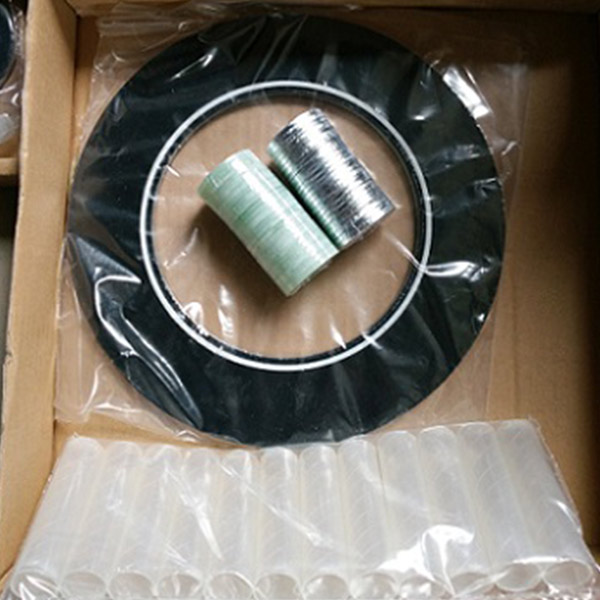
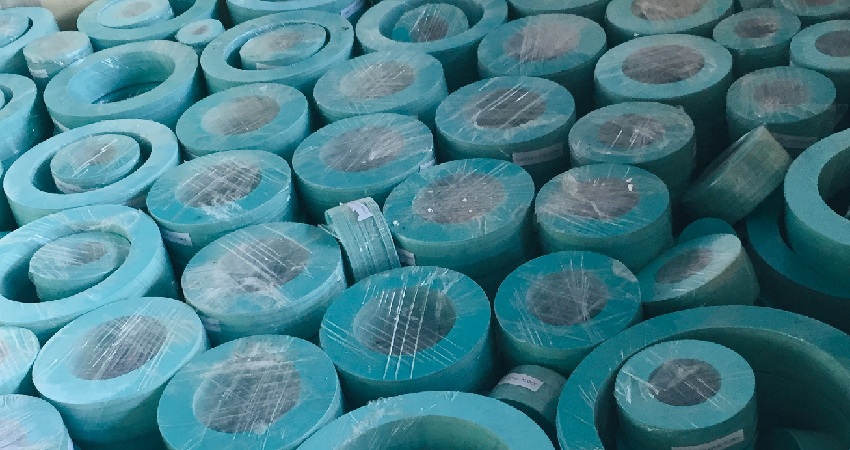
Ceramic fiber gaskets are high-performance sealing components made from alumina-silica materials, offering exceptional resistance to extreme heat, thermal shock, and chemical attack. Unlike traditional gaskets, they maintain integrity in environments where others degrade.

Confronting High-Temperature & Thermal Cycling Challenges
Picture a refinery boiler or a chemical processing heater. Traditional graphite gaskets can oxidize and crumble above 450°C, causing leaks and unplanned shutdowns. Procuring replacements frequently drains budgets and halts production.
Solution: Ceramic fiber gaskets from Ningbo Kaxite Sealing Materials Co., Ltd. are engineered to excel here. Their inorganic composition withstands continuous temperatures up to 1260°C (2300°F) and resist thermal shock, preventing the cyclic fatigue that destroys conventional materials. This translates to longer service intervals, reduced maintenance costs, and uninterrupted operation.
| Parameter | Ceramic Fiber Gasket | Traditional Graphite Gasket |
|---|---|---|
| Max Continuous Temp | 1260°C (2300°F) | 450°C (842°F) in air |
| Thermal Conductivity | Low (Excellent Insulator) | High |
| Thermal Shock Resistance | Excellent | Poor to Fair |
Solving the Chemical Corrosion & Contamination Puzzle
In a pharmaceutical reactor or an acid flue line, elastomeric or compressed non-asbestos (CNAF) gaskets can swell, dissolve, or contaminate the process stream. This leads to product loss, purity issues, and environmental violations.
Solution: How Do Ceramic Fiber Gaskets Compare to Traditional Gasket Materials? Their chemically inert nature is a key advantage. They are unaffected by most acids, alkalis, and solvents, ensuring a clean, reliable seal. Ningbo Kaxite's gaskets provide a stable barrier that won't introduce contaminants, protecting both your process and your compliance status.
| Parameter | Ceramic Fiber Gasket | Elastomeric (e.g., NBR, EPDM) Gasket |
|---|---|---|
| Chemical Resistance | Excellent vs. acids, alkalis, solvents | Variable; Swells/Degrades with many chemicals |
| Outgassing/Contamination Risk | Very Low | High (especially at temp) |
| Fluid Compatibility | Extremely Broad | Specific to compound |
Addressing the Pressure & Compression Sealing Dilemma
A high-pressure steam valve with a traditional rubber gasket may creep and relax over time, leading to a gradual loss of bolt load and eventual leakage. This creates safety risks and energy waste.
Solution: While not for ultra-high hydraulic pressure, ceramic fiber gaskets exhibit excellent recovery and sealing force retention at high temperatures. They compensate for flange irregularities better than brittle traditional materials. For demanding hot, pressurized applications, they provide a durable, reliable seal that maintains integrity.
| Parameter | Ceramic Fiber Gasket | Compressed Non-Asbestos (CNAF) |
|---|---|---|
| Load-Bearing/Recovery | Good recovery at high temp | Good at room temp, degrades with heat |
| Sealability on Irregular Surfaces | Good conformability | Very Good |
| Long-Term Stress Relaxation | Low at operating temp | High at elevated temp |
Frequently Asked Questions (FAQs)
Q: How Do Ceramic Fiber Gaskets Compare to Traditional Gasket Materials in terms of cost-effectiveness?
A: While the initial unit cost may be higher than some traditional materials, ceramic fiber gaskets offer superior total cost of ownership. Their extreme durability in harsh conditions drastically reduces replacement frequency, maintenance labor, and downtime costs. For applications involving high heat or corrosion, they are often the most economical choice over the equipment's lifecycle.
Q: Can ceramic fiber gaskets be used as a direct replacement for asbestos gaskets?
A: Yes, in many high-temperature applications, they are the superior, safe replacement. They match or exceed the thermal performance of asbestos without the associated health and regulatory hazards. Ningbo Kaxite Sealing Materials Co., Ltd. provides expert guidance on material selection and fabrication to ensure a successful retrofit, solving the challenge of replacing banned asbestos materials effectively.
Conclusion & Next Steps
The comparison clearly shows that ceramic fiber gaskets are not just an alternative but a strategic upgrade for severe-service applications involving extreme temperatures, thermal cycling, and chemical exposure. They solve the critical pain points of frequent failure, contamination risk, and safety concerns associated with traditional materials.
Making the right specification requires partnering with a knowledgeable supplier. Have you evaluated the long-term cost of gasket failures in your operations? Are your current seals compromising efficiency or safety? For procurement professionals seeking reliable, high-performance solutions, the data supports a move towards advanced ceramic fiber technology.
For engineered solutions that directly address these industrial challenges, consider Ningbo Kaxite Sealing Materials Co., Ltd.. With extensive expertise in high-performance sealing, they provide not just products but application-specific support to ensure optimal performance. Contact their team today to discuss your requirements at kaxite@seal-china.com.
Supporting Research & References
Peng, Y., & Li, W. (2018). High-Temperature Sealing Performance of Alumina-Silica Ceramic Fiber Composites. Journal of the European Ceramic Society, 38(5), 2256-2263.
Zhang, H., et al. (2020). Thermal Stability and Mechanical Properties of Ceramic Fiber Reinforced Gasket Materials under Cyclic Loading. Materials & Design, 192, 108742.
Johnson, R. L., & Smyth, K. A. (2019). Comparative Analysis of Gasket Materials in Aggressive Chemical Environments. Sealing Technology, 2019(5), 7-12.
Chen, L., Wang, F., & Xu, J. (2021). Mitigation of Stress Relaxation in High-Temperature Gaskets via Microstructural Engineering. International Journal of Applied Ceramic Technology, 18(2), 564-575.
Miller, S. T. (2017). The Replacement of Asbestos in Industrial Gaskets: A Review of Ceramic and Alternative Fiber Solutions. Proceedings of the Institution of Mechanical Engineers, Part E: Journal of Process Mechanical Engineering, 231(4), 789-801.
Kato, Y., & Nakamura, T. (2016). Evaluation of Sealing Characteristics for Ceramic Fiber Sheets under Simulated Flue Gas Conditions. Journal of Thermal Science and Technology, 11(1), JTST0012.
Davis, C. R., & Patel, M. (2022). Lifecycle Cost Assessment of Traditional vs. Advanced Ceramic Gaskets in Petrochemical Operations. Energy Reports, 8, 10234-10241.
Olsen, G. H., et al. (2015). Chemical Compatibility of Refractory Ceramic Fibers with Common Industrial Solvents and Acids. Corrosion Science, 99, 222-229.
Singh, A., & Gupta, P. (2020). Thermal Insulation and Sealing Integrity of Layered Ceramic Fiber Structures. Construction and Building Materials, 260, 120456.
Fischer, E. W. (2018). Advances in Inorganic Fiber Technology for Sealing Applications. Annual Review of Materials Research, 48, 291-315.
Related News
Leave me a message