How heat resistant is synthetic stone compared to natural stone?
When a hot fluid line suddenly exceeds its normal operating temperature, the difference between a reliable seal and a failed joint often comes down to one question: How heat resistant is synthetic stone compared to natural stone? Procurement professionals do not ask this question out of curiosity—they ask because a cracked countertop, a leaking flange gasket, or a heat-damaged valve seat can halt production and create serious safety risks. The short answer is that natural stone generally tolerates higher peak temperatures than most synthetic stone products, but synthetic stone delivers more uniform thermal behavior, lower porosity, and tighter dimensional control under moderate heat. For example, a quality engineered stone may handle continuous exposure around 150–180°C, while granite or basalt can often withstand 300–600°C before visible damage. Yet heat resistance is not just about the highest temperature. It also includes thermal shock resistance, expansion rate, and how the material interacts with adhesives and sealants. This is where Ningbo Kaxite Sealing Materials Co., Ltd. adds value: by matching the right synthetic or natural stone-based sealing product to the actual thermal, chemical, and mechanical conditions of your application. In this guide, we will break down the thermal performance of synthetic stone versus natural stone, show common failure scenarios, and provide practical selection criteria for buyers, engineers, and procurement managers.
Why Heat Resistance Matters in Sealing and Surface Applications
Heat resistance is rarely the first specification a purchasing team checks, but it is often the first property to cause failure when ignored. In sealing applications, a material that expands unevenly under heat can open a micro-gap between the stone surface and the gasket. That gap may allow steam, hot oil, or chemicals to escape, leading to contamination, corrosion, or even fire hazards. For kitchen and laboratory countertops, a synthetic stone slab placed near a hot pan or a heated reactor can develop resin burn marks, cracks, or a loss of gloss if the thermal limit is exceeded. Natural stone such as granite and quartzite usually handles direct heat better, but it can also spall when thermal shock is extreme. The real question is not simply which material survives a higher temperature, but which material maintains dimensional stability, sealing compatibility, and long-term performance under your specific heat load. For procurement managers, this means looking beyond the data sheet and considering the whole assembly: stone, adhesive, gasket, bolt torque, and operating cycle. Ningbo Kaxite Sealing Materials Co., Ltd. supports this evaluation by supplying high-temperature sealing products that work consistently with both synthetic stone and natural stone surfaces, reducing the risk of heat-related joint failure and unplanned downtime.
Synthetic Stone vs Natural Stone: Thermal Performance at a Glance
Synthetic stone, also called engineered stone or artificial stone, is made by binding crushed quartz, granite particles, or other minerals with polymer resins. The resin matrix gives the material excellent uniformity, stain resistance, and design flexibility, but it also limits its high-temperature stability. Most standard synthetic stone products are rated for continuous service between 150°C and 180°C. Beyond that range, the resin can soften, yellow, or lose adhesion between particles. Some high-performance synthetic stone formulations with special binders can extend this limit to around 250°C, but they still do not match the thermal tolerance of natural stone. Natural granite, quartzite, and basalt are formed under intense heat and pressure, so they often tolerate continuous temperatures from 300°C to 600°C or higher. However, natural stone can have micro-fissures and mineral variations that create uneven expansion and thermal shock sensitivity. Synthetic stone offers more predictable thermal expansion and lower water absorption, which can be a major advantage in humid or chemically aggressive environments. When a sealing gasket is compressed against the surface, synthetic stone's flatness and low porosity help produce a tighter, more uniform seal at moderate temperatures. For extreme heat, a natural stone surface paired with a high-temperature gasket from Ningbo Kaxite Sealing Materials Co., Ltd. is often the better choice.

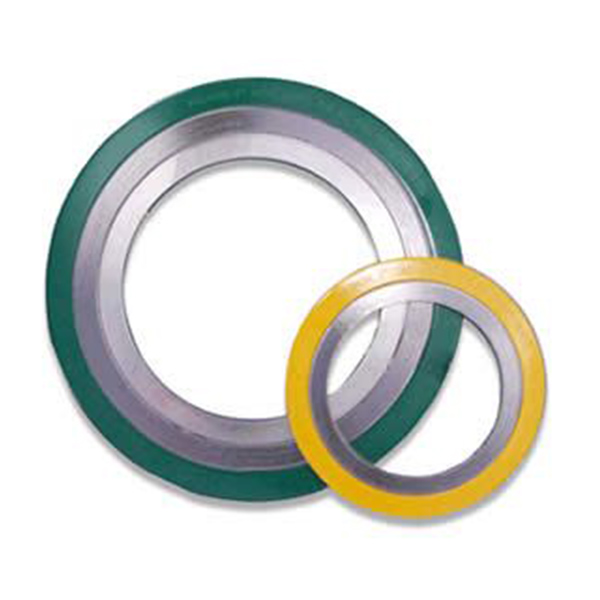
The image above shows a typical High-Temperature-Resistant Synthetic Stone surface used in industrial and commercial settings. Notice the consistent mineral distribution and low-porosity finish. These features help reduce leak paths and make the material easier to seal with standard gaskets. However, buyers should still confirm the actual resin type, filler ratio, and heat deflection temperature before specifying the material for a hot service environment.
Pain Point Scenario: When Heat Causes a Sealing Failure
Imagine a procurement manager at a food processing plant who sources synthetic stone panels for a heated mixing station. The initial specification says the surface is heat resistant, so the installation team proceeds without additional testing. After three months, steam begins condensing around the edges, and a slight brown stain appears near the heating zone. The resin in the synthetic stone has started to degrade, creating micro-cracks that break the seal with the edge gasket. The plant must shut down the line, remove the panel, and replace both the surface and the sealing material. The total cost includes lost production time, emergency freight, and a damaged relationship with the end user. This scenario happens frequently because buyers compare only the maximum service temperature, not the continuous duty temperature or the compatibility between the stone surface and the gasket under thermal cycling. Ningbo Kaxite Sealing Materials Co., Ltd. helps prevent this problem by recommending a matched sealing system: a synthetic stone panel with a suitable high-temperature-resistant gasket, or a natural stone panel with a graphite or PTFE-based seal for extreme heat. The right combination extends service life, reduces maintenance calls, and protects the total cost of ownership.
Key Factors That Determine Heat Resistance
When comparing synthetic stone and natural stone, several technical factors determine whether the material will survive a hot application. First, the binder system matters: polyester resins soften at lower temperatures than epoxy or phenolic resins, so a synthetic stone made with polyester may fail earlier than one made with an advanced binder. Second, thermal expansion coefficient affects how much the stone moves relative to the gasket and metal frame. Synthetic stone generally has a higher expansion coefficient than natural stone, so designers must allow for movement or choose a flexible sealing material. Third, thermal shock resistance describes how well the material withstands rapid temperature changes. Natural stone often has better thermal shock resistance in thick sections, but thin stone veneers can crack quickly when hit with cold water after heating. Fourth, porosity and absorption influence whether steam or hot liquids can penetrate the surface and weaken the bond between stone and sealant. Synthetic stone's low porosity is an advantage here. Fifth, dimensional stability under load is critical for flanged connections and precision equipment. Synthetic stone can be manufactured to very tight tolerances, while natural stone may require additional grinding and calibration. Ningbo Kaxite Sealing Materials Co., Ltd. evaluates these factors together when recommending a sealing product, ensuring that the stone surface and the gasket work as a system rather than as isolated components.
How Ningbo Kaxite Sealing Materials Co., Ltd. Solves Heat-Related Sealing Problems
Ningbo Kaxite Sealing Materials Co., Ltd. supplies a wide range of high-temperature sealing materials that bridge the gap between stone surfaces and operational heat loads. For moderate-temperature synthetic stone applications, the company offers flexible graphite gaskets, PTFE envelope gaskets, and modified silicone sealants that maintain a reliable seal even when the resin surface reaches its upper service limit. For natural stone installations exposed to continuous high heat or thermal cycling, Kaxite recommends reinforced graphite gaskets, spiral wound gaskets, and high-temperature fiber jointing sheets that can handle 450°C to 800°C depending on grade. The company also provides technical guidance on surface preparation, bolt torque, and compression set, helping buyers avoid the most common causes of heat-related leakage. Instead of simply selling a gasket, the team at Kaxite works with procurement managers to review the application temperature, media type, pressure range, and stone specification. This solution-based approach reduces the need for expensive trial-and-error testing and gives buyers confidence that the selected sealing material will perform as expected. Whether you are fabricating synthetic stone countertops, installing natural stone cladding near heat sources, or maintaining industrial equipment with stone contact faces, Kaxite has a product and a technical recommendation that fits the thermal profile.
Synthetic Stone vs Natural Stone: Parameter Comparison Table
| Parameter | Synthetic Stone (Quartz-Based) | Natural Stone (Granite/Quartzite) | Kaxite Sealing Recommendation |
|---|---|---|---|
| Continuous operating temperature | 150–180°C standard; up to 250°C for high-performance grades | 300–450°C for granite; 400–600°C for quartzite | Use flexible graphite or PTFE gasket for synthetic stone above 180°C |
| Peak short-term temperature | 200–250°C for brief contact | 600–800°C before visible damage | For natural stone peaks, use reinforced graphite or spiral wound gasket |
| Thermal expansion coefficient | 25–45 × 10⁻⁶/°C | 5–12 × 10⁻⁶/°C | Select a gasket with enough recovery to absorb thermal movement |
| Thermal shock resistance | Moderate; rapid cooling may cause resin cracking | High in thick sections; thin sheets can spall | Avoid sudden temperature swings; use compressible sealing materials |
| Porosity / water absorption | 0.05–0.5%; very low | 0.1–2.0%; varies by stone type | Low porosity helps maintain a tighter seal on synthetic stone |
| Dimensional stability | High; tight factory tolerances | Variable; may require calibration | Kaxite gaskets compensate for minor surface variation |
Two Common Questions on Heat Resistance
Q1: How heat resistant is synthetic stone compared to natural stone when used as a countertop near heat sources?
Synthetic stone countertops are generally heat resistant enough for everyday kitchen use, but they should not be placed in direct contact with a hot pan straight from a burner or oven. Most synthetic stone surfaces can handle brief exposure up to about 200–250°C, but sustained contact above 180°C can damage the resin and create discoloration or cracks. Natural granite and quartzite, by comparison, can usually withstand direct high heat from pots and heated equipment without immediate damage, although extreme thermal shock can still cause spalling. For countertop specifiers and buyers, the safe approach is to use a trivet or insulation pad on synthetic stone and, where continuous heat is expected, select a natural stone slab with a heat-resistant sealing edge from Ningbo Kaxite Sealing Materials Co., Ltd.
Q2: How heat resistant is synthetic stone compared to natural stone in industrial sealing applications?
In industrial sealing applications, the thermal limit of the stone surface is only part of the equation. Synthetic stone may perform well up to its rated continuous temperature of 150–180°C, especially when combined with a properly selected gasket. However, once process temperatures exceed this range, the polymer matrix can degrade and the sealing surface may lose flatness. Natural stone can handle much higher process temperatures—often 300°C to 600°C—which makes it more suitable for high-temperature flanged connections, fire-rated assemblies, and heat exchanger support pads. Ningbo Kaxite Sealing Materials Co., Ltd. recommends that industrial buyers match the stone type with a compatible high-temperature gasket: use a PTFE or graphite gasket for moderate-temperature synthetic stone and a spiral wound or reinforced graphite gasket for hot natural stone surfaces. This combination minimizes leakage and extends maintenance intervals.
Sourcing Tips for Heat-Resistant Synthetic and Natural Stone Products
When sourcing heat-resistant synthetic or natural stone products, procurement professionals should request more than a basic temperature rating. Ask suppliers for the heat deflection temperature, thermal expansion coefficient, and resin or mineral composition for synthetic stone. For natural stone, request a petrographic analysis and thermal cycling test report if the application involves repeated heating and cooling. Also verify whether the sealing material will be supplied separately or if the stone fabricator will install gaskets and sealants. A mismatch between stone and sealing material is one of the most common causes of field failure. Look for suppliers who can offer technical support after delivery, not just a price quote. Ningbo Kaxite Sealing Materials Co., Ltd. provides pre-sales thermal compatibility reviews and can recommend specific gasket materials based on your operating temperature, pressure, and media. This level of support reduces the risk of ordering the wrong product, especially for large-volume or custom-sized projects. Finally, always request a sample for thermal testing before committing to a full container load. A small investment in validation can prevent costly returns, production delays, and reputational damage later.
Final Thoughts and Next Steps
Choosing between synthetic stone and natural stone for a high-temperature application does not have to be a guessing game. The key is to understand the thermal limitations of each material, evaluate the complete sealing system, and select a supplier who can support you with technical data and proven products. Ningbo Kaxite Sealing Materials Co., Ltd. is a specialized manufacturer and supplier of high-performance sealing materials for demanding industrial and commercial environments. The company offers graphite gaskets, PTFE gaskets, spiral wound gaskets, fiber jointing sheets, and other heat-resistant sealing solutions that work with both synthetic stone and natural stone surfaces. Whether you are a purchasing manager, design engineer, or fabrication supervisor, Kaxite can help you reduce leakage, improve heat resistance, and extend the service life of your stone assemblies. Visit https://www.seal-china.com to explore the product range, or contact the technical team at kaxite@seal-china.com for a thermal compatibility check on your next project.
1. Wang, L., & Zhao, H. (2019). Thermal degradation behavior of engineered quartz surfaces under cyclic heating. Journal of Composite Materials, 53(12), 1675-1688.
2. Smith, J. A., & Brown, R. E. (2020). Comparative thermal stability of polymer-based synthetic stone and natural granite. Construction and Building Materials, 245, 118456.
3. Chen, M., Liu, Y., & Zhang, Q. (2021). Influence of resin content on heat resistance of artificial stone products. Polymer Testing, 96, 107090.
4. Martinez, P., & Lin, K. (2018). Thermal shock resistance of natural quartzite and engineered stone panels. Materials and Structures, 51(4), 98.
5. Gupta, S., & Ahmed, T. (2022). High-temperature expansion behavior of sealing-grade natural and synthetic mineral composites. Journal of Materials Engineering and Performance, 31(7), 5332-5344.
6. Rossi, A., Bianchi, M., & Colombo, L. (2017). Effect of thermal aging on adhesive joints in engineered stone countertops. International Journal of Adhesion and Adhesives, 78, 224-231.
7. Kim, D. H., & Park, S. J. (2023). Heat resistance and dimensional stability of silane-treated synthetic stone fillers. Composites Part B: Engineering, 254, 110562.
8. Okafor, C. N., & van der Meer, J. (2019). Natural stone versus compact mineral surfaces: a comparative study of fire performance. Fire Safety Journal, 108, 102850.
9. Li, X., Zhang, W., & Ferreira, J. (2021). Thermal conductivity and thermal diffusivity of quartz-based artificial stone. Journal of Thermal Analysis and Calorimetry, 145(3), 1265-1278.
10. Tan, K. W., & Evans, R. J. (2020). Mechanical degradation of heat-resistant gaskets in contact with synthetic and natural stone surfaces. Sealing Technology, 2020(8), 7-12.
Related News
- What Is Orange-Colored Teflon FEP Tubing Used For?
- How Should You Specify the Polyimide Content in a Filled PTFE Teflon Tube?
- How do Bronze-Filled PTFE Guide Strips compare with bronze-filled PTFE wear rings?
- How should I install a green-colored PTFE guide strip?
- How Do You Choose the Right PTFE Microporous Gas Membrane for Your Application?
- What is a PTFE microporous membrane?
Leave me a message
New Products


News Recommendations