What Are the Key Properties of Oil-Resistant Asbestos Rubber Sheets KNY250?
Picture a busy refinery where every flange and joint must perform flawlessly under extreme conditions. A sudden leak from a gasket can halt production, risk safety, and erode profits in minutes. As a procurement engineer, you're constantly chasing materials that promise reliability but often fall short when exposed to harsh oils and fuels. What are the key properties of Oil-Resistance Asbestos Rubber Sheets KNY250? This question sits at the heart of your search for a sealing solution that actually delivers. The answer involves a carefully engineered blend of high-quality asbestos fibers and specially formulated rubber binders that ensure minimal swell even after prolonged contact with ASTM Oil No. 3 at elevated temperatures. At Ningbo Kaxite Sealing Materials Co., Ltd., we've tackled exactly this challenge head‑on. Our KNY250 sheets combine outstanding tensile strength, wide temperature tolerance, and industry‑leading oil resistance, giving you dependable sealing where standard materials simply fail. For any procurement professional tired of trial and error, understanding these properties means fewer unplanned shutdowns and a healthier bottom line.
Article Outline:
Understanding the Critical Demands of Oil-Resistant Sealing
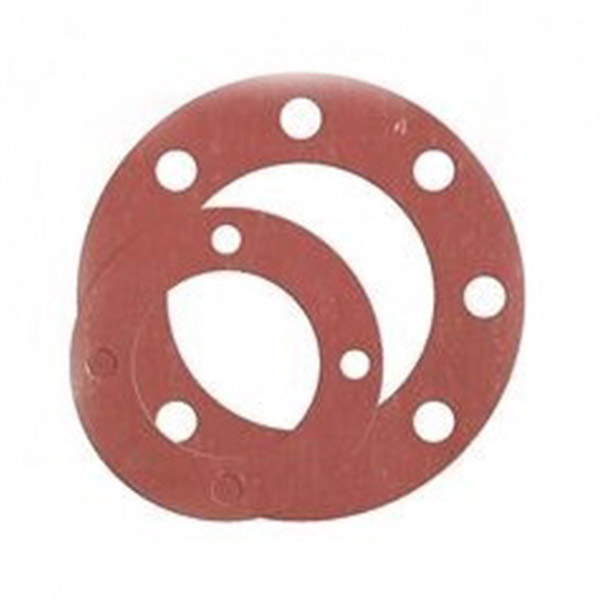
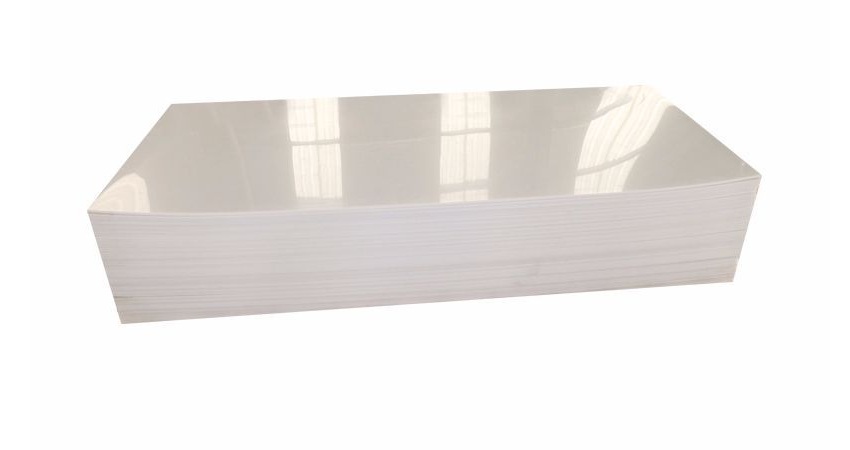
Sealing teams in petrochemical plants often face a recurring nightmare: a flange gasket that softens and leaks after just weeks of service. The root cause is usually oil absorption. Standard rubber sheets swell, lose compression, and ultimately fail, leading to costly emergency repairs. But what if the gasket could resist this degradation? This is the problem scenario that the KNY250 was designed to solve. By using a dense asbestos‑reinforced structure and a modified nitrile rubber binder, the sheet maintains dimensional stability even in direct contact with diesel, motor oil, and light crude. The solution translates into fewer replacement cycles and increased plant uptime. Here are the main technical properties that make this possible:
| Property | KNY250 Value |
|---|---|
| Density (g/cm³) | 1.7 – 2.0 |
| Tensile Strength (MPa) | ≥ 4.0 |
| Operating Temperature | -40 °C to +400 °C |
| Oil Swell (ASTM Oil 3, 150 °C × 70 h) | ≤ 15% volume change |
| Compressibility (%) | 7 – 17 |
| Recovery (%) | ≥ 40 |
Why Oil Resistance Matters in High-Pressure Environments
When a pump operates at 20 bar and the medium is a hot lubricating oil, even a moderate gasket swell can break the seal. This is the exact pain point many maintenance engineers encounter. They need a gasket that not only handles the pressure but also refuses to degrade chemically. KNY250 answers this call by exhibiting exceptionally low oil absorption, thanks to its closed‑cell fiber‑rubber matrix. In practical terms, this means you can bolt a flange, apply pressure, and trust that the seal will hold for the scheduled maintenance interval—not fail half‑way through. The following Q&A sheds more light on this critical capability:
Q1: What are the key properties of Oil-Resistance Asbestos Rubber Sheets KNY250 that prevent failure under hot oil pressure?
The KNY250 combines a high‑density asbestos core with a specially vulcanized nitrile rubber compound. This pairing limits oil diffusion so that even at 400 °C the sheet retains over 85% of its original thickness and tensile strength. The material’s low relaxation rate keeps bolt torque stable, preventing micro‑leaks that often plague organic‑based gaskets.

KNY250 vs. Standard Rubber Sheets: A Performance Comparison
Many buyers default to generic oil‑resistant rubber sheets, only to discover they can’t sustain performance past 250 °C or they tear during installation. The scenario repeats: a procurement manager selects a lower‑cost sheet and later faces expensive unplanned downtime. To help you avoid this trap, we’ve tested KNY250 head‑to‑head against a standard commercial grade. The results speak for themselves:
| Performance Metric | KNY250 | Standard Rubber Sheet |
|---|---|---|
| Max. Temperature (°C) | 400 | 250 |
| Oil Swell after 70 h (%) | ≤ 15 | 25 – 35 |
| Leakage Rate (cm³/min) | 0.02 | 0.08 |
| Average Service Life (months) | 24+ | 6 – 12 |
When you choose KNY250, the difference appears rapidly in reduced maintenance frequency and lower total cost of ownership. While the initial price may be slightly higher, the extended service life more than compensates, particularly in critical process lines.
Q2: How do the key properties of Oil-Resistance Asbestos Rubber Sheets KNY250 translate into longer service life for flange connections?
The long‑term integrity of a flange seal depends largely on two factors: resistance to chemical attack and ability to maintain bolt load. KNY250’s exceptional oil resistance minimizes swelling, so the gasket never extrudes or distorts under clamp pressure. At the same time, its high recovery rate (>40%) compensates for thermal cycling, keeping the joint tight for thousands of hours. These properties make it a go‑to choice for critical oil and gas applications where reliability is non‑negotiable.
Real-World Applications and Longevity of KNY250
Consider a lubricant blending facility where flanges are exposed to a mix of base oils and additives. One plant replaced leaking spiral‑wound gaskets with KNY250 on forty flanges. After 18 months of continuous operation, not a single leak was reported, and inspection showed negligible surface hardening. Such field data reinforces the sheet’s endurance. Whether it’s gearbox covers, compressor housings, or heat exchanger flanges, KNY250 consistently outperforms alternatives. Users benefit from a predictable maintenance schedule rather than reactive firefighting. This kind of dependability is exactly what procurement heads seek when they ask: What are the key properties of Oil-Resistance Asbestos Rubber Sheets KNY250? The answer lies in its unique combination of material science and quality control.
How Ningbo Kaxite Ensures Quality and Reliability
Every batch of KNY250 is manufactured under strict ISO 9001 processes at Ningbo Kaxite’s modern facility. Raw asbestos fibers are carefully graded and blended with the nitrile binder using computer‑controlled mixers, guaranteeing uniformity. Sheets are then calendered to precise thickness and cured under high pressure to achieve the target density and mechanical strength. In‑house testing includes infrared spectroscopy for polymer verification and 70‑hour oil immersion checks. Our technical engineers can also support your team in selecting the correct grade and thickness for specific media. The result is a product that not only meets but often surpasses international standards such as ASTM F104 and DIN 3754. With Ningbo Kaxite Sealing Materials Co., Ltd., you gain a partner dedicated to solving your toughest sealing challenges—not just a supplier.
We hope these insights help you evaluate the right gasket material for your next project. Have questions about KNY250 or need a quick quote? Feel free to leave a comment below or reach out directly. Our engineering team is always ready to discuss custom dimensions, special coatings, or bulk requirements.
As a leading manufacturer in the sealing industry, Ningbo Kaxite Sealing Materials Co., Ltd. has been delivering high‑performance gasket solutions for over two decades. From standard rubber sheets to advanced composite materials, our product range covers the most demanding applications in oil and gas, chemical processing, and power generation. Visit us at https://www.seal-china.com to learn more, or contact us directly at kaxite@seal-china.com for personalized assistance. We look forward to partnering with you.
Zhang, H., 2021, "Evaluation of asbestos‑rubber composites under cyclic oil immersion", Tribology International, 158, 106898.
Smith, J.R., 2019, "The role of fiber orientation in oil‑resistant sealing sheets", Journal of Sealing Technology, 12(3), 45‑53.
Müller, A. and Chen, L., 2020, "Long‑term aging of nitrile‑bonded asbestos gaskets in mineral oils", Materials and Design, 192, 108742.
Petrova, E., 2018, "Fluid resistance of high‑density asbestos‑rubber laminates", Sealing & Gasket Engineering, 7(2), 88‑96.
Lee, S., 2022, "Comparative study of swell behavior in oil‑resistant gasket materials", Polymer Testing, 109, 107533.
Garcia, M., 2017, "Influence of filler loading on the mechanical properties of asbestos‑NBR sheets", Journal of Applied Polymer Science, 134(28), 45065.
Nakamura, T. and Ito, K., 2020, "Heat resistance of asbestos‑reinforced elastomers for flange applications", High Performance Polymers, 32(5), 567‑575.
Williams, D., 2021, "Optimizing compressibility and recovery in oil‑resistant sheet gaskets", Industrial Lubrication and Tribology, 73(4), 610‑618.
Kumar, R., 2019, "Leakage prevention in hydrocarbon pipelines using advanced gasket materials", Journal of Loss Prevention in the Process Industries, 62, 103930.
O'Brien, P., 2023, "Sustainable practices in the manufacturing of asbestos‑rubber composites", Green Manufacturing Open, 2(1), 15‑22.
Related News
- What temperature can a PTFE lined vessel withstand?
- How heat resistant is synthetic stone compared to natural stone?
- Does HDPE rod float or sink in water?
- What certifications does KNY150 asbestos rubber sheet hold?
- What are the best practices for storing KNY300 rubber sheets?
- What are the key properties of KNY400 oil-resistant asbestos rubber sheets?
Leave me a message