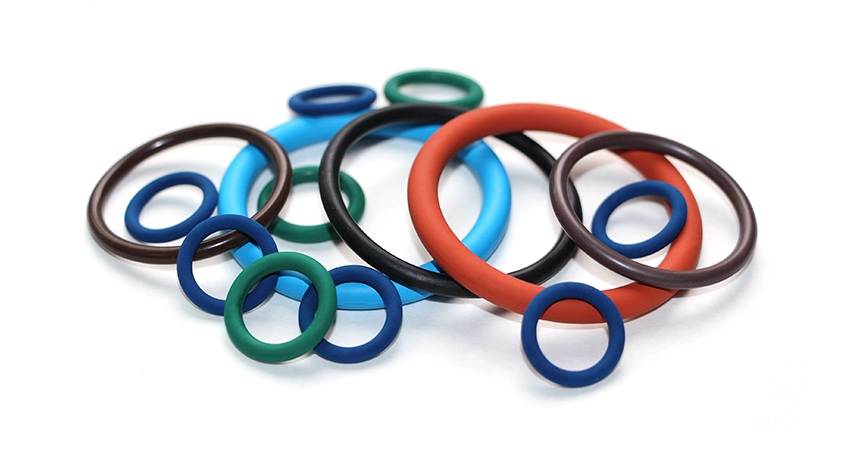
How should I install a green-colored PTFE guide strip?
How should I install a green-colored PTFE guide strip? Picture a maintenance team on a Friday afternoon: a packaging line is down, a worn guide strip has scored a stainless steel track, and the spare part on the shelf is the wrong width. The buyer is under pressure to approve a replacement, but the real risk is not the color of the strip. It is whether the groove is clean, the dimensions are correct, the strip is seated without stretching, and the running clearance matches the application. A Green-Colored PTFE Guide Strip is often chosen as a visual identifier for a specific grade, but color alone does not confirm performance. Installation must be treated as a controlled assembly step: measure the groove, verify strip width and thickness, remove burrs and contamination, use a uniform press-fit, and check free movement after fastening. Ningbo Kaxite Sealing Materials Co., Ltd. supports procurement teams with dimensional guidance, batch consistency, and practical installation recommendations, so the part you approve is the part that runs reliably. This guide turns the question into a repeatable procedure for buyers, maintenance engineers, and line technicians.
Why a Green-Colored PTFE Guide Strip Matters in Procurement and Maintenance
Pain scenario: A buyer approves a green-colored PTFE guide strip by color and nominal size, but the line still suffers from binding, squealing, or premature edge wear. In many cases, the root cause is not the PTFE grade. It is a mismatch between the strip tolerance, groove condition, and assembly method. Procurement teams feel this pain because a low-cost strip can create expensive downtime when it is installed without a dimensional and surface check.
Solution: Treat the green-colored PTFE guide strip as a system component, not a commodity. Confirm the drawing, check the strip against the groove, and document the installation conditions. A green color can help stores and technicians identify the correct part quickly, but the approval should still focus on PTFE grade, width and thickness tolerance, edge quality, and running clearance. Ningbo Kaxite Sealing Materials Co., Ltd. can review your groove sketch and operating conditions so the recommended strip supports smooth movement without over-compressing the material.
| Parameter | Recommended target | Procurement reason |
|---|---|---|
| PTFE grade | Matched to load, speed, and mating surface | Prevents color-only approval |
| Color | Green visual ID noted on drawing | Avoids mix-ups in stores |
| Width tolerance | Per drawing, often ±0.2 mm | Reduces buckling or loose fit |
| Thickness tolerance | Per drawing, often ±0.1 mm | Controls preload and clearance |
| Edge quality | Clean, straight, no nicks | Avoids mating-surface scoring |
Inspect the Strip and Groove Before Installation
Pain scenario: A technician opens a bag, presses the strip into the groove, and discovers that one edge sits proud while the other sits low. The line runs for two hours, then the guide strip starts to creep. This is a common scene when the groove has a burr, the strip has been stored under load, or the part number was checked but the batch dimensions were not.
Solution: Complete a short incoming inspection before any installation. Measure the green-colored PTFE guide strip at three points, inspect the groove for burrs and contamination, and compare the batch label with the purchase order. If the strip is bent or compressed, let it relax in a clean, flat position before assembly. For repeat orders, ask Ningbo Kaxite Sealing Materials Co., Ltd. to confirm the drawing revision and batch traceability so the next delivery matches the approved sample.
| Check | Method | Accept or reject |
|---|---|---|
| Groove width | Caliper at three positions | Within drawing; no taper |
| Groove edges | Visual and touch check | No sharp burrs |
| Strip surface | Visual under good light | No cracks, nicks, or embedded grit |
| Cleanliness | White cloth and approved cleaner | No oil, dust, or metal chips |
| Batch identity | Compare label and documents | Matches order and approved sample |
Prepare the Groove, Surface, and Work Area
Pain scenario: The installation area is crowded, the groove contains cutting fluid, and the technician uses a screwdriver to push the strip into place. The strip looks installed, but a small nick becomes a crack initiator. Later, the buyer receives a complaint about short service life even though the material grade was correct.
Solution: Clean and dry the groove before the strip touches it. Remove burrs with a fine stone or deburring tool, wipe the groove with an approved solvent, and allow it to dry fully. Use clean gloves, a blunt installation tool, and a stable work surface. Keep the green-colored PTFE guide strip flat until it is seated. These steps are simple, but they protect the low-friction surface and reduce the risk of trapped particles that can wear the mating part.
| Preparation item | Requirement | Why it matters |
|---|---|---|
| Cleaner | Isopropyl alcohol or approved solvent | Removes oils and release agents |
| Dry time | Until no solvent odor or film remains | Avoids trapped solvent |
| Groove edge | Deburr and radius per drawing | Prevents strip shaving |
| Work temperature | Stable shop temperature | Supports dimensional stability |
| Handling | Clean gloves, no sharp tools | Protects the strip surface |
Install the Strip with a Controlled Press-Fit Method

Pain scenario: A strip is stretched during installation because it fits too tightly. The ends are trimmed, but the middle is thinner and under stress. After a few thermal cycles, the strip lifts or wears unevenly. The maintenance team blames the material, while the real issue is the installation force and stretch.
Solution: Start at one end, keep the strip square, and press it into the groove with a blunt plastic or wooden tool. Do not stretch the strip to close a gap. If the strip must be cut, use a sharp blade and deburr the ends. Check that the strip sits flush or within the drawing tolerance, then cycle the mating part by hand. For custom grooves, Ningbo Kaxite Sealing Materials Co., Ltd. can advise on strip width, corner treatment, and end-gap allowance before you place the order.
| Installation step | Action | Acceptance check |
|---|---|---|
| Start | Insert one end square into the groove | No twist or fold |
| Seat | Press along the length with a blunt tool | Flush or within drawing tolerance |
| Stretch control | Do not pull the strip to fit | No visible thinning |
| Ends | Cut cleanly and remove burrs | End gap per drawing |
| Movement | Cycle the mating part by hand | Smooth travel, no binding |
Q&A Set 1: How should I install a green-colored PTFE guide strip in a dry-running groove?
Question: How should I install a green-colored PTFE guide strip when the application runs dry and lubrication is not allowed?
Answer: Clean the groove thoroughly, confirm that the strip is dry, and avoid any oil or grease unless the drawing specifies it. Keep the press-fit uniform, control stretch, and verify that the mating surface is smooth. Dry running puts more attention on contact pressure and surface finish, so a trial fit with the actual mating part is valuable. Share the load, speed, and temperature with Ningbo Kaxite Sealing Materials Co., Ltd. so the green-colored PTFE guide strip is matched to the duty cycle rather than chosen by color alone.
| Dry-running risk | Installation control |
|---|---|
| High friction at start-up | Confirm surface finish and running clearance |
| Local overheating | Avoid excessive preload and stretch |
| Contamination wear | Clean groove and use clean gloves |
Q&A Set 2: How should I install a green-colored PTFE guide strip in a worn groove?
Question: How should I install a green-colored PTFE guide strip when the original groove is worn or slightly oversized?
Answer: Measure the wear before ordering a thicker strip. Do not use an oversized strip to hide groove damage unless the supplier has approved the change. Clean the groove, remove raised burrs, and check the groove depth and width at several points. If wear is uneven, a custom strip or a repaired groove may be the better path. Ningbo Kaxite Sealing Materials Co., Ltd. can review dimensions and recommend a strip size that keeps the fit controlled without creating excessive interference.
| Groove condition | Recommended action |
|---|---|
| Light uniform wear | Use approved standard strip after cleaning |
| Local deep groove | Evaluate repair or custom strip |
| Raised burrs | Deburr before installation |
| Oversized width | Do not force a thicker strip without approval |
Quality Checks After Installation
Pain scenario: The strip is seated, the machine is closed, and the line restarts. A short time later, the operator reports a tight spot. The installation was never checked under operating temperature, so thermal expansion and fastener torque were not verified.
Solution: Run a short quality check before full production. Inspect the full strip path, check the seat with a feeler gauge where possible, cycle the mating part, and verify fastener torque. After the machine reaches operating temperature, recheck for creep, lifting, or binding. Record the results so future procurement and maintenance teams can compare the green-colored PTFE guide strip batch and installation method.
| Post-install check | Method | Pass criteria |
|---|---|---|
| Visual path | 360-degree inspection | No cuts, twist, or lifting |
| Seat height | Feeler gauge or dial indicator | Within drawing tolerance |
| Movement | Manual cycle | Smooth, no binding |
| Thermal check | Run at operating temperature | No creep or looseness |
| Fasteners | Torque wrench | Per specification |
Procurement Checklist with Ningbo Kaxite Sealing Materials Co., Ltd.
Pain scenario: Purchasing teams often receive a sample that fits, then a production batch that feels different. Without a documented checklist, the buyer cannot tell whether the change is dimensional, material-related, or simply an installation variable.
Solution: Use a procurement checklist before releasing the order. Ask for the drawing revision, strip dimensions, PTFE grade, color identification, batch traceability, and installation recommendations. Ningbo Kaxite Sealing Materials Co., Ltd. can support these checks with sealing material expertise and practical guidance for guide strip applications, helping buyers reduce fitting risk and keep maintenance teams working from the same specification.
| RFQ item | What to confirm | Procurement benefit |
|---|---|---|
| Drawing | Groove and strip dimensions | Better first-fit confidence |
| Grade | PTFE grade and green color ID | Consistent performance |
| Batch record | Traceability and inspection data | Easier audits and repeat orders |
| Sample | Pilot sample for trial fit | Reduces line downtime |
| Support | Installation and sizing guidance | Fewer assembly errors |
Ningbo Kaxite Sealing Materials Co., Ltd. works with procurement and engineering teams that need reliable sealing materials, dimensional consistency, and practical support for guide strip applications. If you are comparing suppliers or preparing a repeat order, visit https://www.seal-china.com or email kaxite@seal-china.com with your groove dimensions, strip size, operating temperature, and movement profile. Share your drawing and let the team help you confirm a green-colored PTFE guide strip solution that fits your assembly and your supply plan.
References and Further Reading
Khedkar, J., Negulescu, I., and Meletis, E.I. (2002). Sliding wear behavior of PTFE composites. Wear, 252(5–6), 361–369.
Tanaka, K., Uchiyama, Y., and Toyooka, S. (1973). The mechanism of wear of polytetrafluoroethylene. Wear, 23(2), 153–172.
Li, F., Hu, K., Li, J., and Zhao, B. (2001). The friction and wear characteristics of nanometer ZnO filled polytetrafluoroethylene. Wear, 249(10–11), 877–882.
Sawyer, W.G., Freudenberg, K.D., Bhimaraj, P., and Schadler, L.S. (2003). A study on the friction and wear behavior of PTFE filled with alumina nanoparticles. Wear, 254(5–6), 573–580.
Xiang, D., and Gu, C. (2006). A study on the friction and wear behavior of PTFE filled with ultra-fine kaolin particulates. Materials Letters, 60(5), 689–692.
Jia, Z., Yang, Y., Chen, J., and Yu, X. (2010). Influence of graphite particle size on the friction and wear behavior of PTFE composites. Journal of Applied Polymer Science, 118(4), 2116–2121.
Uchiyama, Y., and Tanaka, K. (1980). Wear laws for polytetrafluoroethylene. Wear, 58(2), 223–235.
Briscoe, B.J., and Tabor, D. (1978). Friction and wear of polymers: a review. Journal of Macromolecular Science: Part C—Polymer Reviews, 13(1), 1–24.
Blanchet, T.A., and Kennedy, F.E. (1992). Sliding wear of polytetrafluoroethylene and PTFE composites. Tribology Transactions, 35(2), 327–334.
Hutchings, I.M. (1992). Tribology: friction and wear of engineering materials. Wear, 159(1), 135–136.
Next :
-
Related News
- How Do You Choose the Right PTFE Microporous Gas Membrane for Your Application?
- What is a PTFE microporous membrane?
- Which filler is best for wear resistance in PTFE articles?
- What sizes are available for PTFE graduated cylinders?
- How are polyimide articles manufactured?
- What chemicals can PTFE steel-plastic composite pipe resist?
Leave me a message


News Recommendations