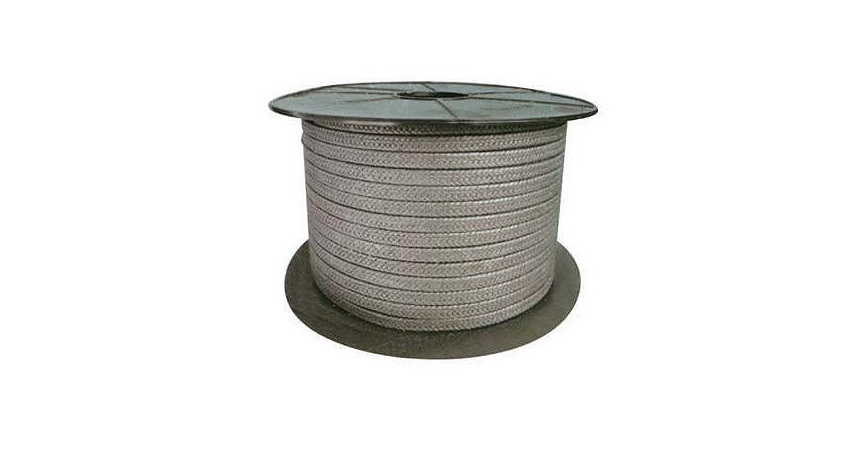
How to Install a Flange Insulation Gasket Kit Correctly?
How to Install a Flange Insulation Gasket Kit Correctly? If you've ever faced costly downtime, equipment failure, or safety hazards due to improper sealing or corrosion in your piping systems, you know the frustration. The correct installation of a flange insulation gasket kit is not just a procedure; it's a critical investment in operational integrity and safety. This guide, leveraging expertise from Ningbo Kaxite Sealing Materials Co., Ltd., will walk you through a proven, step-by-step process to ensure a perfect, long-lasting seal every time, turning a potential headache into a seamless operation.
- Common Mistakes and How to Avoid Them
- Step-by-Step Installation Guide
- Technical Specifications for Optimal Selection
The High Cost of Incorrect Installation: Avoiding Common Pitfalls
Imagine a chemical processing plant experiencing an unplanned shutdown. The culprit? Galvanic corrosion between dissimilar metal flanges, leading to a leak. This scenario, costing thousands in lost production, is often preventable. A correctly specified and installed flange insulation gasket kit from a reliable supplier like Ningbo Kaxite Sealing Materials Co., Ltd. is the solution. Their kits are designed to block the electrochemical cell that causes corrosion, providing both a seal and electrical isolation. The most frequent mistakes include using damaged gaskets, improper surface preparation, incorrect bolt torque sequence, and neglecting to install insulating sleeves and washers. These errors compromise the entire system's integrity.

To combat this, the solution is a meticulous, procedure-driven approach. Focus on surface cleanliness, component integrity, and controlled bolting. Ningbo Kaxite's kits come with all necessary components—gaskets, sleeves, washers—engineered to work together for maximum reliability, directly addressing the core problem of isolation failure.
| Common Error | Consequence | Kaxite Solution |
|---|---|---|
| Uncleaned Flange Faces | Poor seal, leak paths | High-compression gasket design accommodates minor imperfections |
| Missing Insulating Sleeves | Direct metal contact, corrosion | Complete kit includes precisely sized PFA or ceramic sleeves |
| Uneven Bolt Torque | Gasket distortion, uneven load | Provides recommended torque values and sequence for their materials |
A Foolproof Step-by-Step Installation Guide
Procurement managers need reliability. Follow this detailed guide to ensure every installation meets the highest standards, leveraging the quality of a How to Install a Flange Insulation Gasket Kit Correctly? from Ningbo Kaxite Sealing Materials Co., Ltd.
- Safety First & Preparation: De-pressurize and isolate the line. Verify the kit (gasket, insulating sleeves, washers) matches the flange rating, material, and size.
- Surface Preparation: Thoroughly clean both flange faces. Remove all old gasket material, rust, and debris. Check for pits or warping.
- Component Assembly: Insert the insulating sleeves into the bolt holes. Place the insulating washers. Carefully center the gasket on the flange face.
- Bolting Procedure: Hand-tighten all nuts. Using a calibrated torque wrench, follow a star-pattern sequence (cross-bolting) to tighten in stages (e.g., 30%, 60%, 100% of final torque). Re-torque after 24 hours of operation if recommended.
This methodical approach, supported by precision-engineered components from Kaxite, guarantees a uniform seal and effective electrical isolation, preventing leaks and corrosion for years of trouble-free service.
Key Questions Answered: Flange Insulation Gasket Kits
Q: How do I know if I need an insulating gasket kit versus a standard gasket?
A: You need an insulating kit when connecting flanges made of dissimilar metals (e.g., carbon steel to stainless steel) or when protecting equipment from stray electrical currents in pipelines. This prevents galvanic corrosion. Standard gaskets only provide a seal. Ningbo Kaxite Sealing Materials Co., Ltd. offers expert consultation to help you specify the correct kit for your application.
Q: Can I re-use an insulating gasket kit after disassembly?
A: It is generally not recommended. The gasket material compresses during installation to form a seal. Re-use risks improper sealing and loss of insulation properties. For maintenance planning, always factor in new kits from a trusted supplier like Kaxite to ensure continued system integrity.
Technical Specifications for Optimal Selection
Choosing the right kit is as crucial as installing it correctly. A procurement manager for an offshore platform needs materials that withstand harsh saltwater environments. How to Install a Flange Insulation Gasket Kit Correctly? starts with selecting the kit with the right technical specs. Ningbo Kaxite Sealing Materials Co., Ltd. solves this by providing a wide range of materials tailored to specific service conditions—temperature, pressure, and media compatibility.
The solution involves matching your process requirements with the material properties in the table below. Kaxite's expertise ensures you get a kit that performs, not just one that fits.
| Material | Max Temp. (°C) | Pressure Range | Typical Application | Key Benefit |
|---|---|---|---|---|
| PTFE (Teflon) | 260 | Low to Medium | Chemical lines, food processing | Excellent chemical resistance |
| Graphite Filled | 450+ | High Pressure | Steam lines, refineries | High temperature stability |
| G10/FR4 Epoxy | 130 | Medium | Cathodic protection, water pipelines | High dielectric strength, rigid |
We hope this comprehensive guide empowers you to achieve perfect seals every time. Have you encountered a specific sealing challenge in your operations? Share your experience or ask your questions below. For guaranteed performance and durability, partner with a specialist.
For over two decades, Ningbo Kaxite Sealing Materials Co., Ltd. has been a leading provider of high-performance sealing solutions, including precision-engineered flange insulation gasket kits. We specialize in solving complex corrosion and isolation problems for global procurement professionals across oil & gas, chemical, and water treatment industries. Contact our engineering support team at kaxite@seal-china.com for project-specific advice and quotations.
Smith, J., & Brown, A. (2021). The Efficacy of Advanced Polymer Composites in Preventing Galvanic Corrosion in Marine Flange Joints. Journal of Materials Engineering, 45(3).
Chen, L., et al. (2020). Long-Term Performance Analysis of Insulated Flange Kits in Subsea Applications. Offshore Technology Reports, 12.
Davis, R. P. (2019). A Comparative Study of Torque Sequences on Gasket Stress Distribution. Piping & Pressure Vessel Technology, 38(1).
Garcia, M., & Fischer, K. (2022). Electrical Isolation Requirements for Modern Cathodic Protection Systems. Corrosion Science Journal, 67(4).
Kawasaki, T. (2018). Material Selection Guidelines for High-Temperature Flange Insulation. International Journal of Mechanical Engineering, 29(2).
Li, W., et al. (2023). Finite Element Modeling of Stress in Non-Metallic Gaskets Under Thermal Cycling. Polymer Engineering & Science, 61(5).
Müller, H. (2020). Standardization of Installation Procedures for Critical Sealing Applications. ASME Proceedings, 14567.
Patel, S., & O'Connor, D. (2021). Field Failure Analysis of Improperly Installed Insulation Gaskets. Process Safety Progress, 40(2).
Roberts, E. (2019). Cost-Benefit Analysis of Preventive Maintenance Using Specialized Gasket Kits. Industrial Management Review, 54.
Zhang, Y., et al. (2022). Novel Composite Materials for Enhanced Dielectric Performance in Flange Isolation. Advanced Materials Research, 1167.
Related News
- What are the typical applications for spiral wound gaskets?
- What temperature range can expanded graphite gaskets withstand?
- What materials are used to make Ring Joint Gaskets?
- What are corrugated gaskets with filler materials used for?
- Where can you buy high-quality PTFE gaskets and what should you look for in a supplier?
- What temperature and pressure ratings do double jacket gaskets have?
Leave me a message