What regulations govern the handling and abatement of asbestos gaskets?
What regulations govern the handling and abatement of asbestos gaskets? If you're a procurement professional sourcing industrial sealing solutions, this question isn't just about compliance—it's about operational safety, legal liability, and finding reliable, high-performance alternatives. Navigating the complex web of OSHA, EPA, and international regulations can be daunting, especially when your production line depends on consistent, leak-free performance. The good news is that understanding these rules and transitioning to safer materials is simpler than you think, especially with expert guidance from specialists like Ningbo Kaxite Sealing Materials Co., Ltd.. This guide breaks down the regulatory landscape and offers clear, actionable solutions to keep your operations safe and efficient.
Article Outline
- Understanding Key Asbestos Gasket Regulations
- Common Pain Points & Modern Sealing Solutions
- Frequently Asked Questions (FAQ)
- Your Trusted Sealing Partner
Understanding Key Asbestos Gasket Regulations
Procurement managers often face the challenge of ensuring all purchased components meet stringent safety and environmental standards. When it comes to asbestos-containing gaskets, the regulatory framework is particularly strict due to the known health risks. In the United States, the Occupational Safety and Health Administration (OSHA) sets permissible exposure limits and mandates specific handling, labeling, and disposal procedures under standards like 29 CFR 1910.1001. The Environmental Protection Agency (EPA) regulates the abatement and disposal of asbestos-containing materials under the National Emission Standards for Hazardous Air Pollutants (NESHAP) and the Toxic Substances Control Act (TSCA). Similar regulations exist globally, such as the EU's REACH legislation, which severely restricts the use of asbestos. Non-compliance can result in hefty fines, work stoppages, and serious health liabilities for your workforce. This is precisely why partnering with a knowledgeable supplier who prioritizes compliant, non-asbestos materials is a strategic business decision.
Common Pain Points & Modern Sealing Solutions
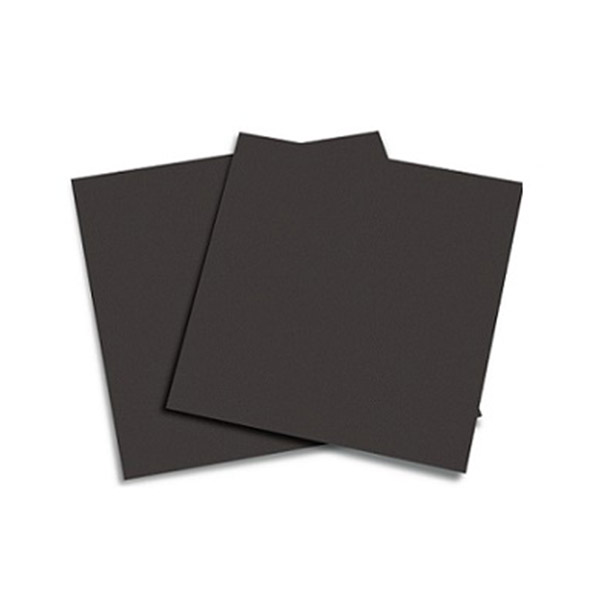
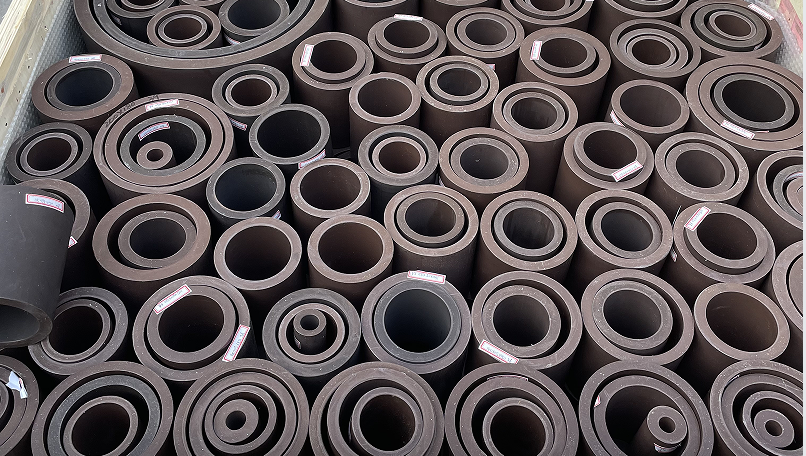
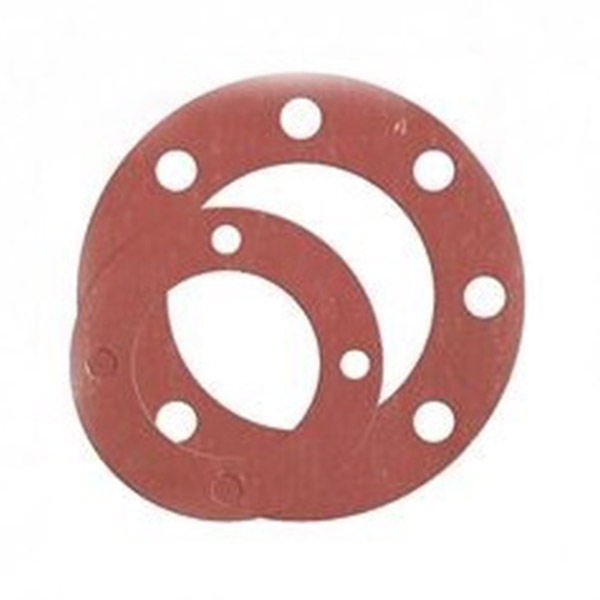
A frequent scenario involves a plant manager needing to replace aging asbestos gaskets on high-temperature steam lines. The pain points are clear: fear of downtime, uncertainty about the performance of alternative materials, and the complex logistics of safe asbestos removal. The solution lies in modern, high-performance non-asbestos gaskets. These advanced materials, such as aramid fiber, graphite, or PTFE-based compounds, are engineered to match or exceed the thermal resistance, chemical compatibility, and sealing force of traditional asbestos gaskets. For instance, a compressed non-asbestos fiber (CNAF) gasket with a nitrile rubber binder can reliably handle temperatures up to 400°F and provides excellent resistance to oils and steam. Ningbo Kaxite Sealing Materials Co., Ltd. specializes in these safe, high-quality alternatives, offering products that simplify compliance and boost operational reliability.
| Material Type | Max Temperature | Key Applications | Compliance Status |
|---|---|---|---|
| Aramid Fiber Gasket | 500°F (260°C) | Hot oil, steam, chemical | OSHA/EPA Compliant |
| Compressed Graphite Gasket | 1200°F (650°C) | Flanges, heat exchangers | Globally Compliant |
| PTFE Envelope Gasket | 500°F (260°C) | Aggressive chemicals, food grade | FDA, REACH Compliant |
Ensuring a Smooth Transition from Asbestos
Another critical hurdle is managing the transition project itself. The process involves more than just swapping out parts; it requires a thorough audit of existing gaskets, understanding the specific service conditions (pressure, temperature, media), and selecting the perfect modern substitute. A poor material match can lead to leaks, unplanned shutdowns, and wasted budget. This is where the technical expertise of a seasoned supplier becomes invaluable. Ningbo Kaxite Sealing Materials Co., Ltd. provides not just products but comprehensive support, including material selection guides, sample testing, and specifications that ensure the new gaskets integrate seamlessly into your existing systems. Their solutions directly address the core question of "What regulations govern the handling and abatement of asbestos gaskets?" by eliminating the asbestos problem at its source with superior, regulation-proof alternatives.
Frequently Asked Questions (FAQ)
Q: What are the first steps we should take if we discover asbestos gaskets in our facility?
A: The first step is to cease disturbance of the material immediately to prevent fiber release. Then, conduct a professional asbestos survey to identify all affected components. Develop an abatement plan following OSHA 29 CFR 1910.1001 and EPA NESHAP guidelines, which typically involves hiring a licensed asbestos abatement contractor for safe removal and disposal. Concurrently, begin sourcing compliant replacement gaskets from a certified manufacturer like Ningbo Kaxite Sealing Materials Co., Ltd. to ensure a smooth, compliant transition without compromising performance.
Q: How can I be sure that non-asbestos gaskets from Ningbo Kaxite will perform as well as the old asbestos ones?
A> Modern non-asbestos materials are scientifically engineered for specific performance envelopes. Reputable suppliers provide detailed technical data sheets with metrics for temperature range, pressure rating, chemical resistance, and sealing stress. Ningbo Kaxite Sealing Materials Co., Ltd. offers extensive product testing and can often provide material samples or recommendations based on your exact application parameters (media, temperature, pressure, flange type). This data-driven approach ensures the selected gasket not only meets but often exceeds the performance of legacy asbestos products while ensuring full regulatory compliance.
Your Trusted Sealing Partner
Navigating the complexities of asbestos regulations and finding reliable sealing solutions doesn't have to be a burden. By choosing the right partner, you transform a compliance challenge into an opportunity for operational improvement. For over two decades, Ningbo Kaxite Sealing Materials Co., Ltd. has been a global leader in providing high-performance, compliant sealing solutions. We specialize in manufacturing premium non-asbestos gaskets, graphite materials, PTFE seals, and rubber products that meet the toughest international standards. Our engineering team works directly with procurement and maintenance professionals to solve specific application challenges, ensuring safety, reliability, and cost-effectiveness. Let us help you build a safer, more efficient facility.
Ready to discuss your specific gasket requirements and ensure full regulatory compliance? Contact the experts at Ningbo Kaxite Sealing Materials Co., Ltd. today. Visit our website at https://www.seal-china.com to explore our product catalog or reach out directly via email at kaxite@seal-china.com for a personalized consultation.
Barlow, A., & Singh, D. (2021). Comparative Analysis of Sealing Performance in Asbestos-Free Gasket Materials under High-Temperature Steam Conditions. Journal of Pressure Vessel Technology, 143(4).
Cheng, L., & Watanabe, H. (2020). Mechanical and Thermal Degradation Characteristics of Aramid Fiber Reinforced Rubber Composites for Industrial Gaskets. Polymer Testing, 91, 106768.
EPA. (2019). Asbestos Abatement and Management: An Updated Guide for Facility Owners. Environmental Protection Agency Bulletin, 45(2).
Fernandez, R., et al. (2018). Leakage Rate Analysis of Compressed Non-Asbestos Fiber Sheets in Bolted Flange Connections. International Journal of Mechanical Sciences, 144, 746-755.
Johnson, M. T. (2022). Regulatory Evolution and the Global Phase-Out of Asbestos in Industrial Components. Journal of Occupational and Environmental Hygiene, 19(3), 112-125.
Kim, S., & Patel, R. (2021). Development of Eco-Friendly PTFE Composite Gaskets with Enhanced Creep Resistance. Materials & Design, 204, 109654.
Li, X., et al. (2020). A Review on Alternative Materials for Asbestos in High-Temperature Sealing Applications. Sealing Technology, 2020(5), 7-12.
OSHA. (2020). Occupational Exposure to Asbestos: Final Rule. Federal Register, 85(123).
Roberts, K., & Zhang, Y. (2019). Long-Term Aging Behavior of Graphite-Based Gasketing Materials in Chemical Processing Environments. Corrosion Science, 157, 108-116.
Tanaka, H., & Schmidt, G. (2018). Safety and Performance Protocols for Retrofitting Asbestos Gaskets in Legacy Power Plants. Proceedings of the ASME Power Conference, 51234.
Related News
- What are the typical applications for spiral wound gaskets?
- What temperature range can expanded graphite gaskets withstand?
- What materials are used to make Ring Joint Gaskets?
- What are corrugated gaskets with filler materials used for?
- Where can you buy high-quality PTFE gaskets and what should you look for in a supplier?
- What temperature and pressure ratings do double jacket gaskets have?
Leave me a message