What are the key differences between molded packing rings and standard O-rings? If you're sourcing sealing components, choosing the wrong type can lead to costly downtime, leaks, and safety risks. While standard O-rings are ubiquitous, molded packing rings offer distinct advantages for demanding applications. Understanding their unique designs, performance characteristics, and ideal use cases is critical for procurement specialists aiming to optimize reliability and total cost of ownership. This guide breaks down the key distinctions to empower your purchasing decisions.
The Anatomy of a Seal: Why Design Matters for Your Application
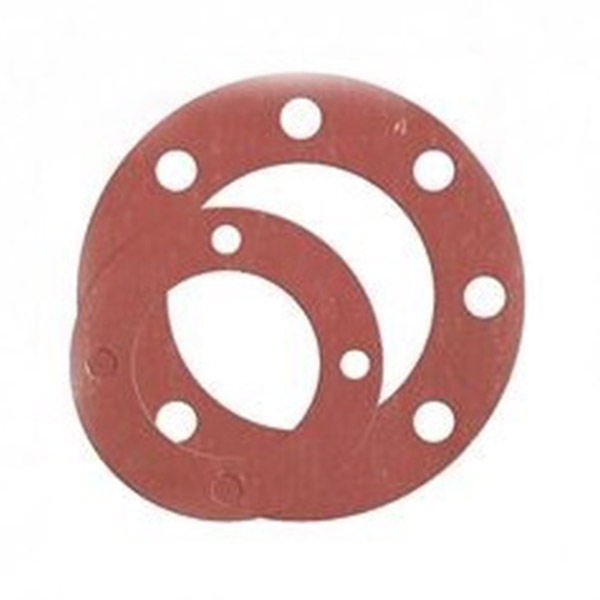
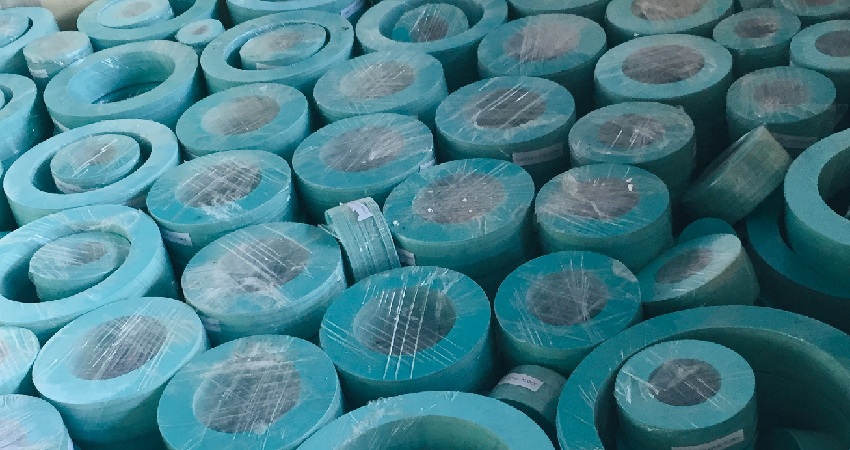
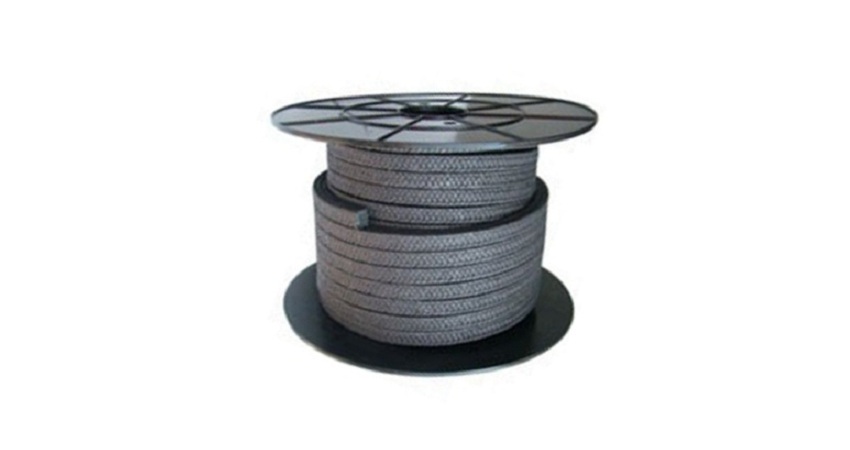
Imagine a high-pressure hydraulic system in heavy machinery. A standard O-ring fails, causing a leak that halts an entire production line. The root cause? An incorrect seal design for the dynamic, high-load environment. Standard O-rings feature a simple, circular cross-section, making them cost-effective for static, low-pressure sealing. In contrast, molded packing rings from specialists like Ningbo Kaxite Sealing Materials Co., Ltd. are engineered with complex profiles—such as square, rectangular, or custom geometries. This intentional design provides a larger surface contact area, superior gland fill, and enhanced stability under pressure, extrusion, and dynamic movement. The key is matching the seal's construction to the specific mechanical and environmental stresses of your equipment.
| Feature | Standard O-Ring | Molded Packing Ring |
|---|---|---|
| Cross-Section | Circular (Round) | Square, Rectangular, D-shaped, Custom |
| Primary Sealing Mechanism | Radial squeeze | Axial compression & face sealing |
| Gland Fill Efficiency | Moderate | High, minimizes extrusion gaps |
| Typical Manufacturing | Extrusion/Molding | Precision Compression/Injection Molding |
Beyond the Specification Sheet: Real-World Performance Gaps
Procurement decisions based solely on price can backfire when seals fail prematurely. The performance gap becomes evident in harsh conditions. Standard O-rings are prone to spiral twist failure in rotary applications and can extrude into clearances under high pressure or pressure cycling. Molded packing rings address these exact pain points. Their robust design resists extrusion, offers excellent stability with minimal volume change, and maintains a consistent seal in applications involving vibration, pulsating pressures, or temperature swings. For industries like chemical processing, oil & gas, or heavy-duty hydraulics, the enhanced durability of a purpose-built packing ring from a trusted supplier like Ningbo Kaxite Sealing Materials Co., Ltd. directly translates to reduced maintenance frequency, lower lifecycle costs, and improved operational safety.
| Performance Metric | Standard O-Ring | Molded Packing Ring |
|---|---|---|
| Extrusion Resistance | Low to Moderate | Very High |
| Pressure Handling | Good for static, lower for dynamic | Excellent for static & dynamic |
| Temperature Stability | Material dependent | Superior shape retention |
| Life in Cyclic Service | Shorter | Significantly Longer |
Your Decision Matrix: Selecting the Optimal Seal
Choosing between a Molded Packing Ring and a standard O-ring isn't about one being universally better—it's about which is right for the job. Start by analyzing your application's parameters. For simple static seals in benign environments with tight budgets, standard O-rings are a valid choice. However, when your checklist includes high system pressure (especially above 1500 psi), dynamic motion, wide temperature ranges, aggressive media, or critical safety requirements, a molded packing ring becomes the necessary solution. Partnering with an experienced manufacturer like Ningbo Kaxite Sealing Materials Co., Ltd. provides access to expert guidance. They can help you navigate material selection (from FKM and HNBR to PTFE composites) and custom-engineer a seal that solves your specific leakage or wear problem, ensuring peak equipment performance.
| Application Scenario | Recommended Seal Type | Key Reasoning |
|---|---|---|
| Low-pressure static face seal | Standard O-Ring | Cost-effective, readily available |
| High-pressure hydraulic piston | Molded Packing Ring | Resists extrusion, handles pulsation |
| Rotary shaft seal | Custom Molded Packing | Prevents spiral failure, offers stability |
| Chemical pump gland seal | Chemically resistant Packing Ring | Superior gland fill, minimal swell |
Key Questions Answered
Q: Can a molded packing ring always replace a standard O-ring?
A: Not always directly. While often superior in performance, molded packing rings typically require a specifically designed gland (groove) due to their different cross-section and sealing mechanism. Retrofitting an O-ring groove for a packing ring may not yield optimal results. Consulting with an application engineer from Ningbo Kaxite Sealing Materials Co., Ltd. is recommended to assess compatibility and potential design modifications.
Q: What are the key differences between molded packing rings and standard O-rings in terms of cost analysis?
A: The key difference lies in the total cost of ownership. Standard O-rings have a lower initial unit cost. However, molded packing rings, though potentially higher in upfront price, often provide far greater value through extended service life, reduced downtime, and prevention of catastrophic failure. For critical applications, the long-term savings and reliability offered by a high-quality packing ring from a specialist manufacturer like Ningbo Kaxite make it the more economical choice.
Have you encountered sealing challenges where a standard O-ring fell short? Share your experience or contact our experts for a tailored solution.
For over two decades, Ningbo Kaxite Sealing Materials Co., Ltd. has been a trusted partner in providing high-performance sealing solutions. Specializing in advanced molded packing rings and custom seals, we help engineers and procurement professionals solve complex leakage challenges. Visit our website at https://www.seal-china.com to explore our product portfolio, or contact our technical sales team directly at kaxite@seal-china.com for application support and quotations.
Supporting Research & Further Reading
Park, J., & Lee, K. (2019). Analysis of extrusion failure in elastomeric seals under high-pressure cycling. Journal of Tribology, 141(5), 051602.
Muller, H. K., & Nau, B. S. (2018). Fluid Sealing Technology: Principles and Applications. CRC Press.
Smith, R. L., et al. (2021). Comparative study of seal geometry on leakage rates in static and dynamic applications. Sealing Technology, 2021(3), 7-12.
Anderson, G. (2017). Modern Hydraulic Seals: Selection and Performance Criteria. Hydraulics & Pneumatics, 70(4), 32-37.
Zhao, Y., & Persson, B. N. J. (2020). Theory of leakage prediction for rubber seals. Polymer Testing, 91, 106862.
International Organization for Standardization. (2022). ISO 3601-1:2022, Fluid power systems — O-rings — Part 1: Inside diameters, cross-sections, tolerances and designation codes.
Drake, S. J., & Makinson, J. D. (2016). Material compatibility and swelling effects in chemical sealing applications. Journal of Applied Polymer Science, 133(15).
FSA (Fluid Sealing Association). (2019). Technical Handbook of Packings and Seals, Volume II: Mechanical Seals and Compression Packing.
Thomas, D. R., et al. (2018). Enhancing seal life in rotary equipment through geometric optimization. Proceedings of the Institution of Mechanical Engineers, Part J: Journal of Engineering Tribology, 232(10), 1245-1256.
Ningbo Kaxite Sealing Materials Co., Ltd. (2023). Application Note: Selecting Molded Packing for Extreme Pressure Hydraulic Systems. Internal Technical Publication.