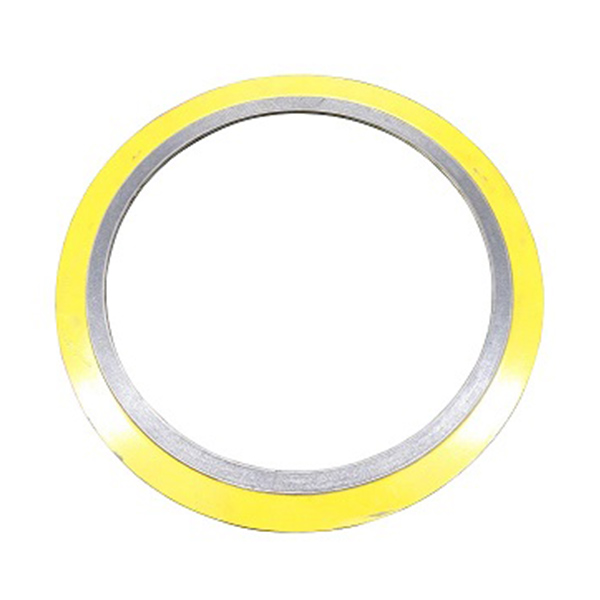

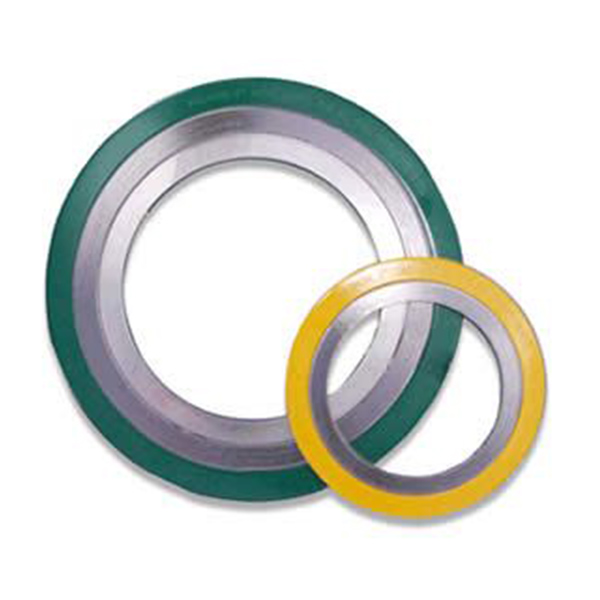

Neoprene Faced Phenolic Gasket Kit
Model:KXT 1002
KXT-1002 neoprene faced phenolic gasket kits combine a laminated phenolic retainer core with factory-bonded neoprene rubber sealing faces on both sides, providing both a compression seal and full cathodic isolation between dissimilar metal flanges. Rated to +80°C (+175°F) service temperature and compatible with ASME B16.5 / B16.20 flange dimensions from DN 15 to DN 600. Available as Type E (full-face, isolates the entire flange face) or Type F (ring, seats on the raised face only). Supplied as a complete kit with insulating sleeves, washers and gasket; factory-direct pricing within 24 business hours.
What is a neoprene faced phenolic gasket kit? It is a flange insulating gasket that combines a laminated phenolic retainer core with neoprene rubber sealing faces bonded to both sides — one part performs the compression seal, the other provides electrical isolation between dissimilar metal flanges. Kaxite KXT-1002 is specified for cathodic isolation in oil and gas, marine, petrochemical and water pipeline service, available as Type E (full-face) or Type F (ring), with a service temperature limit of +80°C (+175°F), the neoprene-facing ceiling. Supplied as a complete kit with insulating sleeves and washers.
Kaxite KXT-1002 neoprene faced phenolic gasket kits solve a specific problem in process piping: when two dissimilar metals are bolted together at a flange joint, moisture and electrolyte create a galvanic cell that corrodes the less noble metal. The fix is to break the electrical path — and the standard way to do that is with an insulating gasket and matching insulating sleeves and washers. This is a flange insulation gasket kit in the classic sense: a phenolic core for dielectric strength and mechanical support, neoprene faces for the compression seal.
KXT-1002 Neoprene Faced Phenolic Gasket Kit — Specifications, Types and Factory Quote
The data below covers the standard KXT-1002 configuration. Non-standard sizes, flange ratings and complete kit contents (sleeves, washers, gasket) are quoted against drawing or drawing dimensions. Include the flange standard and class, gasket type (E or F) and quantity in the enquiry for accurate pricing and lead time.
Model
KXT-1002
Construction
Laminated phenolic retainer core + neoprene rubber faces, factory-bonded both sides
Temperature Limit
+80°C / +175°F (neoprene-facing limit)
Gasket Types
Type E (full-face) and Type F (ring)
Standard Dimensions
ASME B16.5 / B16.20, DN 15 to DN 600; custom sizes on drawing
Function
Cathodic isolation + compression sealing between dissimilar metal flanges
Kit Contents
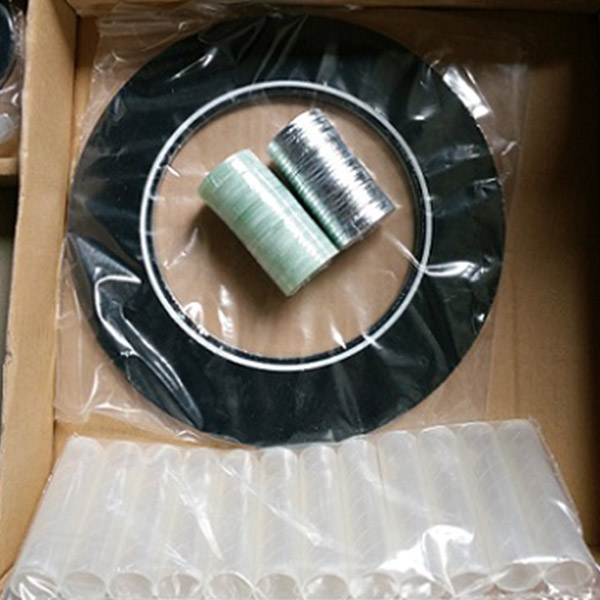
Gasket + insulating sleeves + insulating washers (complete flange isolation kit)
Typical Application
Oil and gas, marine, petrochemical, water pipelines, buried/coated pipe flanges
Type E Full-Face vs Type F Ring — Which Configuration Fits Your Flange
The two standard configurations serve different flange access scenarios and isolation requirements. Choosing the wrong type either leaves part of the flange face unsealed or leaves the joint with no continuous isolation path.
TYPE E
Full-Face Gasket
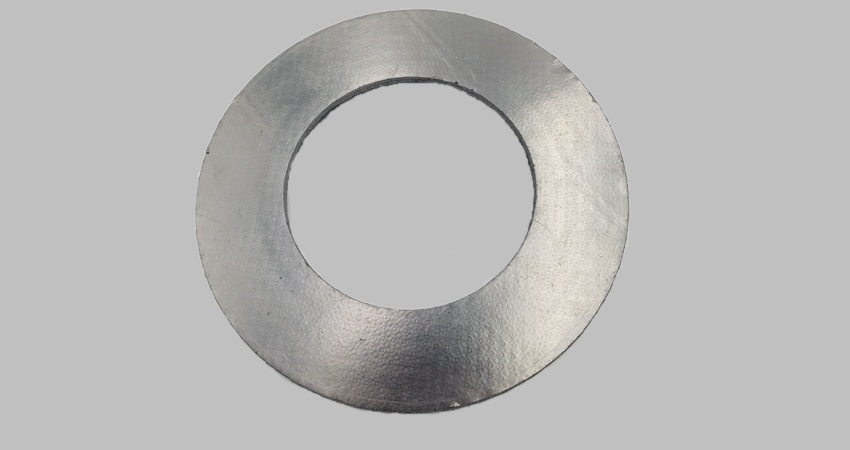
Covers the entire flange face, matching the outside diameter of the flange. The full coverage prevents foreign matter from collecting between the flange faces — the reason it is the default for complete cathodic isolation on buried and coated pipe flanges. It also protects both flange faces from corrosion during service. Requires the full bolt circle to be accessible on installation.
TYPE F
Ring Gasket
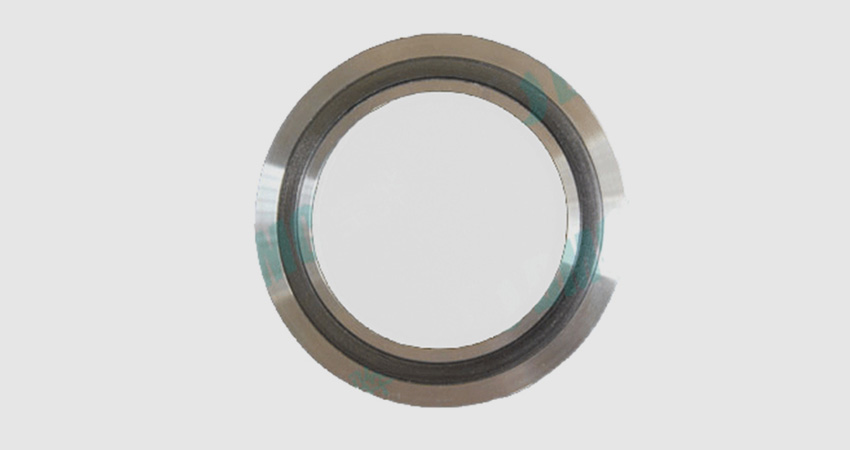
Seats only on the raised face of the flange. Its outside diameter is designed to be slightly smaller than the inside diameter of the bolt circle, so it fits entirely within the raised-face contact zone. This is the correct choice where the flange has a raised face and the installation space is limited, but the flange faces themselves are exposed to the process environment — flanges should be wrapped or coated to prevent foreign material shorting out the isolation.
 Type E (full-face, left) and Type F (ring, right) — phenolic retainer core with neoprene sealing faces on both sides.
Choosing between E and F in practice: if the flange is buried, coated, or in an inaccessible location where foreign matter could accumulate in the annular space between the flange faces, specify Type E. If the flange is a standard raised-face ASME B16.5 flange in an accessible location and the operating environment does not risk bridging the isolation path, Type F is more economical and adequate. On critical service — sour gas, offshore, or high-value pipelines — the VCS very critical service grade is the more appropriate specification than the standard neoprene-faced phenolic kit.
Why Phenolic Core + Neoprene Faces — the Material Logic
The two materials in the construction serve different functions and each is chosen for a specific reason. The laminated phenolic retainer provides dielectric strength — phenolic resin has high volume resistivity and high dielectric breakdown strength, which is what actually breaks the electrical path between the two flanges. It also provides mechanical support: the phenolic core carries the bolt clamp load without collapsing, holds the gasket thickness stable, and gives the kit its compression resistance. Phenolic alone, however, is not a good sealing material — it is hard and does not conform to surface imperfections.
That is where the neoprene rubber faces come in. Neoprene (polychloroprene) is factory-bonded to both sides of the phenolic core and provides the actual sealing surface. It conforms to flange surface imperfections under bolt load, has good resistance to oils, fuels, mild chemicals and water, and has adequate compression set resistance for the +80°C service range. The trade-off is temperature: neoprene's continuous service ceiling is around 80°C (175°F), which is why KXT-1002 is rated to that limit. Above this temperature, the phenolic core itself is not the limitation — the neoprene facing is.
For applications above 80°C, or for higher chemical resistance, alternative facing materials are available: PTFE-faced phenolic for higher chemical resistance at a slightly higher temperature ceiling, and the neoprene faced plain phenolic kit for configurations where a plain (rather than laminated) phenolic core is adequate. For higher mechanical strength and higher pressure class service, the SS316 core flange insulating gasket kit is the upgrade path — the stainless steel core carries higher bolt load and higher pressure than a phenolic core can support.
Cathodic Isolation Applications — Oil, Gas, Marine and Water Pipelines
KXT-1002 is specified where dissimilar metal flanges meet and the joint must be electrically isolated to prevent galvanic corrosion. The dominant application is oil and gas pipeline flanges — wellhead connections, pipeline tie-ins, meter stations, pig launcher and receiver flanges, and compressor station piping — where carbon steel piping meets stainless steel valves, instrumentation, or dissimilar-metal equipment. In marine and offshore service, the kits are used at hull penetrations, seawater system flanges, and topside piping where saltwater electrolyte accelerates galvanic attack. In petrochemical plants, they isolate flanges between carbon steel and stainless steel pipe, or between stainless steel and high-alloy equipment. In municipal water and wastewater pipelines, they are used at transition points between coated steel, ductile iron and stainless steel components.
The use case is not limited to new construction. Retrofitting an isolation kit at an existing flange is one of the most common maintenance procedures when a corrosion inspection identifies galvanic attack at a dissimilar-metal joint. For this reason, the kits are supplied complete — gasket plus insulating sleeves plus insulating washers — so that the maintenance team does not have to source the sleeves and washers separately. For flanges that must meet specific isolation standards, the D-type configuration of the flange insulation kit range may be the more appropriate specification; see the Type D flange insulation gasket kit page for that variant.
Factory Supply, Complete Kit Contents and Bulk Quote Requirements
KXT-1002 is manufactured at Kaxite’s Ningbo facility and supplied factory-direct for OEM, MRO, project and distribution procurement. Standard sizes are held for fast shipment; non-standard sizes, special flange ratings and complete kit supply (gasket + sleeves + washers, quantity-matched to the bolt count) are available against drawing or purchase specification. For buyers consolidating a flange isolation package, KXT-1002 can be combined with other flange insulation gasket configurations in a single shipment.
To quote accurately, include: flange standard and pressure class (e.g. ASME B16.5 Class 150, DN 200), gasket type (Type E full-face or Type F ring), required service temperature (to confirm the 80°C neoprene limit is adequate), operating media (oil, gas, seawater, water, chemical), complete-kit requirement (gasket only, or gasket + sleeves + washers), quantity, and whether a higher-grade kit is required for very critical service. The technical sales desk returns pricing, lead time and material certification scope within 24 business hours.
Send your specification →
Send your specification →
Related Category
Send Inquiry
Contact Info
-
Address
No. 432 Zhenhai Middle Road, Luotuo Street, Zhenhai District, Ningbo City, Zhejiang China
-
-
Email
Request a Quote or Technical Consultation
Share your sealing requirement and our technical sales team will respond within 24 business hours. For fastest service, include your flange specification, operating pressure, temperature, and process media in the message below.
Related Products



News Recommendations