

Spun Kevlar Packing
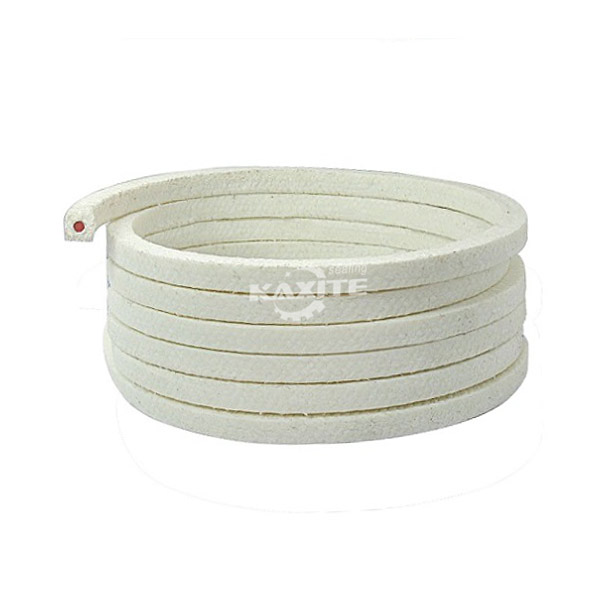
Kaxite KXT-P302 Spun Kevlar Packing is a high-performance braided packing, not a general-purpose gland packing. The fiber itself — DuPont Kevlar aramid — gives it the tensile strength and abrasion resistance that standard fiber packings cannot match. The PTFE impregnation reduces friction and chemical absorption; the silicone-based lubricant ensures easy run-in; the break-in compound reduces initial gland adjustment. The combination is what makes KXT-P302 the correct grade for slurry pumps, abrasive chemical service and severe media where softer packings fail quickly. For PTFE-based chemical service without the shaft-hardness requirement, see PTFE packing; for aramid fiber in a graphite-impregnated variant, see graphite spun aramid fiber packing.
Spun Kevlar Packing Specifications, Pressure Ratings and Factory Quote
01 / SpecsThe data below covers the standard KXT-P302 configuration. The pressure limits differ by service type (static, reciprocating pump, rotary pump) — confirm the actual service in the enquiry so the correct grade and installation instructions are supplied.
 DuPont Kevlar aramid fiber braided with PTFE impregnation + silicone lubricant + break-in compound.
Where KXT-P302 Is Specified — Abrasive Slurry, Chemical and Solvent Service
02 / ApplicationsKevlar packing is specified in a narrower set of applications than general-purpose packing, but in those applications it outperforms almost every other braided grade. The four clusters below cover the majority of real KXT-P302 demand.
| Application | Typical Duty | Why KXT-P302 |
|---|---|---|
| Abrasive slurry, sand and grit pumps | Rotary pump up to 80 bar; pH 2–12 | Kevlar's extreme abrasion resistance — outperforms aramid-free and glass-fiber packings in slurry |
| Abrasive chemical media | Static sealing up to 300 bar | PTFE impregnation reduces chemical absorption; Kevlar resists mechanical wear at the same time |
| Reciprocating pumps on abrasive service | 200 bar | Handles alternating pressure cycles without the extrusion and wear seen on standard braided packing |
| Water, steam, solvents and oils with abrasive contamination | pH 2–12; up to +280°C | For media that are otherwise compatible with PTFE but contain abrasive particles from the process |
KXT-P302 is not the correct grade for every packing application. For clean, non-abrasive water and steam service, a standard PTFE or graphite packing is more economical. For shafts below 60 HRC, a graphite or PTFE-based packing is mandatory — Kevlar will damage a soft shaft. For pure chemical resistance without abrasive contamination, a PTFE packing or graphite PTFE packing is often the better choice.
Why KXT-P302 Specifically — Advantages Over Standard Braided Packing
03 / AdvantagesThe advantages below each trace back to a specific design decision in the construction — DuPont Kevlar fiber, PTFE impregnation, silicone lubricant, break-in compound.
| Advantage | What It Means in Service | Design Reason |
|---|---|---|
| Extreme abrasion resistance | Outperforms PTFE, graphite and aramid-free packings in slurry service — longer service life | DuPont Kevlar aramid fiber — high tensile strength and abrasion resistance |
| Low cold flow | Packing does not extrude or thin over time — fewer gland adjustments | Kevlar's dimensional stability under pressure |
| Good chemical resistance | pH 2–12 — dilute acids, most solvents, oils, water and steam | PTFE impregnation reduces chemical absorption |
| High elasticity and recovery | Tolerates thermal cycling and pressure fluctuation without re-torquing | Braided Kevlar structure + silicone lubricant |
| Easy break-in | Minimal gland adjustment during initial run-in period | Silicone-based break-in compound factory-applied |
| Durable and long service life | Fewer shutdowns for re-packing — reduces total cost of ownership | Kevlar abrasion resistance + low cold flow |
Kevlar Packing vs PTFE vs Graphite vs Aramid Blends — Selection Reference
04 / SelectionBraided packing selection comes down to three questions: what media, what shaft hardness, and what temperature. The comparison below helps place KXT-P302 against the adjacent packing families.
| Criterion | Kevlar (KXT-P302) | PTFE Packing | Graphite Packing | Aramid-Graphite Blend |
|---|---|---|---|---|
| Abrasion resistance | Excellent | Fair | Good | Good–Excellent |
| Chemical resistance | Good (pH 2–12) | Excellent (except molten alkali metals and fluorine) | Excellent (except strong oxidisers) | Good |
| Max temperature | +280°C | +260°C | +650°C (in steam) | +280°C |
| Shaft hardness requirement | 60 HRC minimum | None specified | None specified | 60 HRC recommended |
| Best for | Abrasive slurry, sand, grit | Clean chemical, food, pharma | High-temp steam, valve stem | Abrasive + high-temp combined |
Factory Supply, Custom Cross-Sections and Bulk Quote Requirements
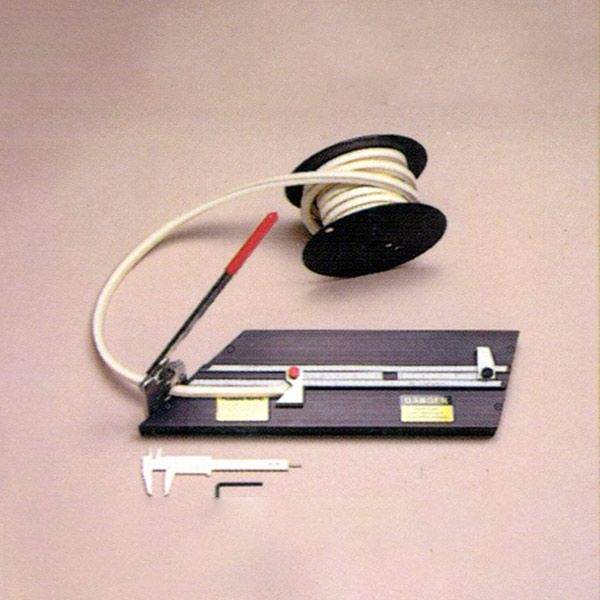
05 / FactoryKXT-P302 is manufactured at Kaxite's Ningbo facility and supplied factory-direct for OEM, MRO, project and distribution procurement. Standard cross-sections are held for fast shipment; custom cross-sections, custom lengths, and pre-cut rings to the exact stuffing box height are made to drawing or sample. For buyers consolidating a packing package across different media, KXT-P302 can be combined with the aramid fiber packing, Nomex fiber packing and graphite packing ranges in a single shipment.
Send your specification →
-
Address
No. 432 Zhenhai Middle Road, Luotuo Street, Zhenhai District, Ningbo City, Zhejiang China
-
-
Email
Request a Quote or Technical Consultation
Share your sealing requirement and our technical sales team will respond within 24 business hours. For fastest service, include your flange specification, operating pressure, temperature, and process media in the message below.