Vegetable Fiber Packing
What Is Vegetable Fiber Packing?
Vegetable fiber packing is a sustainable, biodegradable packaging material derived from natural plant fibers, such as cotton, jute, hemp, or recycled paper products. It serves as an eco-friendly alternative to synthetic packaging materials like plastic foam or bubble wrap. This type of packing is widely used in industries that prioritize environmental responsibility, including e-commerce, food packaging, electronics, and logistics. Its primary benefits include reducing carbon footprint, being compostable, and providing excellent cushioning and protection for fragile items during shipping and handling.
Key Features of Vegetable Fiber Packing
Vegetable fiber packing stands out due to its unique properties that combine functionality with sustainability. Here are some of its standout features:
- Biodegradability: Breaks down naturally in the environment, minimizing waste.
- Renewable Source: Made from plants that can be replenished annually.
- High Absorbency: Effective at managing moisture, which helps protect goods from damage.
- Lightweight: Reduces shipping costs compared to heavier alternatives.
- Customizable: Can be tailored to specific shapes and sizes for various applications.
- Non-Toxic: Safe for use with food products and sensitive items.
- Excellent Cushioning: Provides reliable protection against impacts and vibrations.
Product Parameters and Specifications
To ensure you select the right vegetable fiber packing for your needs, we provide detailed parameters in both list and table formats. This information covers common variants available in the market.
List of Common Parameters
- Material Composition: 100% natural vegetable fibers (e.g., cotton, jute) or blended with recycled paper.
- Density: Ranges from 20 kg/m³ to 80 kg/m³, affecting cushioning and weight.
- Thickness: Available in 10 mm to 50 mm variations for different protection levels.
- Color: Typically natural brown or beige; can be dyed for branding purposes.
- Moisture Resistance: Moderate to high, depending on treatment; some variants include water-resistant coatings.
- Compression Strength: Measured in kPa; standard range is 50-200 kPa for optimal load-bearing.
- Temperature Tolerance: Stable between -20°C to 80°C, suitable for most environments.
- Biodegradation Time: Fully decomposes within 3 to 6 months under composting conditions.
- Certifications: Often complies with standards like ASTM D6400 (compostable plastics) or FSC (Forest Stewardship Council) for sustainability.
Table of Specifications
| Parameter | Standard Value | Range | Application Example |
|---|---|---|---|
| Material Type | Cotton Fiber Blend | Jute, Hemp, Recycled Paper | General packaging for electronics |
| Density (kg/m³) | 40 | 20-80 | Lightweight items (20-40), heavy items (50-80) |
| Thickness (mm) | 25 | 10-50 | Fragile goods (20-30 mm), industrial parts (40-50 mm) |
| Compression Strength (kPa) | 100 | 50-200 | Moderate protection (50-100), high protection (150-200) |
| Moisture Resistance | Moderate | Low to High | Dry environments (low), humid conditions (high) |
| Biodegradation Time (months) | 4 | 3-6 | Composting applications |
| Temperature Range (°C) | -20 to 80 | -30 to 100 (treated variants) | Room temperature storage, cold chain logistics |
Applications of Vegetable Fiber Packing
Vegetable fiber packing is versatile and used across multiple industries. Common applications include:
- E-commerce Packaging: Protecting goods during shipping with eco-friendly materials.
- Food Industry: Wrapping perishable items like fruits and vegetables to absorb moisture and prevent spoilage.
- Electronics: Cushioning fragile devices such as smartphones and laptops.
- Logistics and Warehousing: Securing items in transit to reduce damage risks.
- Agricultural Products: Packaging seeds, fertilizers, and other farm supplies.
- Retail: Branded packaging for consumer goods to enhance sustainability image.
Advantages Over Synthetic Alternatives
Compared to synthetic materials like polystyrene foam or plastic, vegetable fiber packing offers several advantages:
- Environmental Impact: Significantly lower carbon footprint and no microplastic pollution.
- Cost-Effectiveness: Often cheaper in the long term due to recyclability and waste reduction.
- Safety: Non-toxic and hypoallergenic, making it ideal for food and medical uses.
- Regulatory Compliance: Meets increasing global regulations on plastic reduction and sustainability.
- Consumer Preference: Growing demand for eco-friendly products boosts brand loyalty.
FAQs About Vegetable Fiber Packing
Here are some frequently asked questions to address common queries:
What is vegetable fiber packing made from?
Vegetable fiber packing is primarily made from natural plant fibers such as cotton, jute, hemp, or recycled paper. These materials are processed into loose fill, sheets, or molded forms to provide cushioning and protection.
Is vegetable fiber packing biodegradable?
Yes, it is fully biodegradable and compostable. Under proper conditions, it decomposes within 3 to 6 months, leaving no harmful residues, unlike synthetic alternatives that can persist in the environment for centuries.
How does vegetable fiber packing compare to plastic foam in terms of protection?
Vegetable fiber packing offers comparable or superior protection due to its high compression strength and absorbency. It effectively absorbs shocks and vibrations, making it suitable for fragile items, while also being moisture-resistant in treated variants.
Can vegetable fiber packing be used for food products?
Absolutely. It is non-toxic and safe for direct contact with food, as it lacks chemicals found in some synthetic packings. Many variants are certified for food-grade applications, ensuring compliance with health standards.
What are the storage requirements for vegetable fiber packing?
Store it in a dry, cool place away from direct sunlight to maintain its integrity. Avoid exposure to high humidity, which could reduce its effectiveness, though most products have moderate moisture resistance.
Is vegetable fiber packing cost-effective for large-scale use?
Yes, it is often cost-effective due to its renewable nature and potential for bulk sourcing. While initial costs might be slightly higher than some synthetics, long-term savings come from reduced waste disposal fees and enhanced brand value from sustainability.
How can I customize vegetable fiber packing for my business?
Manufacturers offer customization options including size, shape, density, and branding (e.g., printed logos). Provide your specific requirements, such as load-bearing needs or environmental conditions, for tailored solutions.
Does vegetable fiber packing meet international sustainability standards?
Yes, it commonly certifications like ASTM D6400 for compostability, FSC for responsible sourcing, and ISO 14001 for environmental management. Always check for relevant certifications based on your region's regulations.
What is the shelf life of vegetable fiber packing?
When stored properly, it has a shelf life of up to 2 years without significant degradation. Avoid prolonged exposure to extreme conditions to preserve its properties.
Can vegetable fiber packing be recycled?
Yes, it is recyclable through paper recycling streams or can be composted at home or industrially. This makes it a circular economy solution, reducing overall waste.


- View as

Ramie Packing with Graphite
Ramie packing with graphite and oil impregnation,graphite coated and mineral oil lubricated throughout.
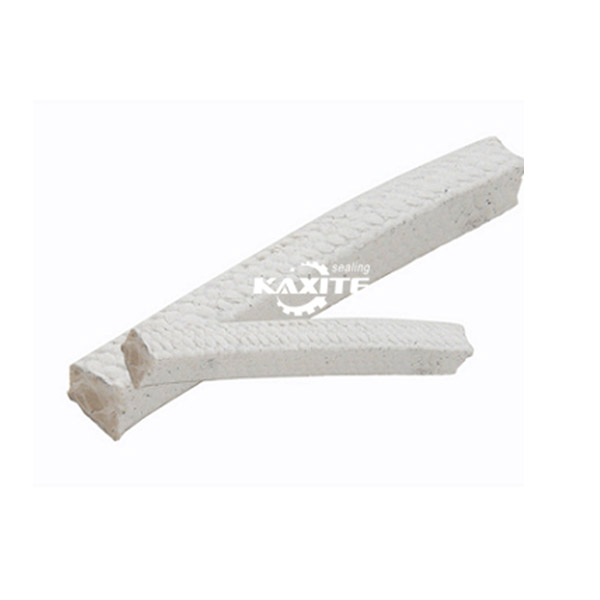
Ramie Fiber Packing
Ramie Fiber Packing Highest quality ramie fiber impregnated with light-colored, special PTFE and inert lubricant during square plaiting operation. It is not harsh on shafts and stems.

Flax Packing with Grease
Flax packing with Grease braided from flax fiber, impregnated with grease, vaseline coated.

Cotton Fiber Packing with Grease
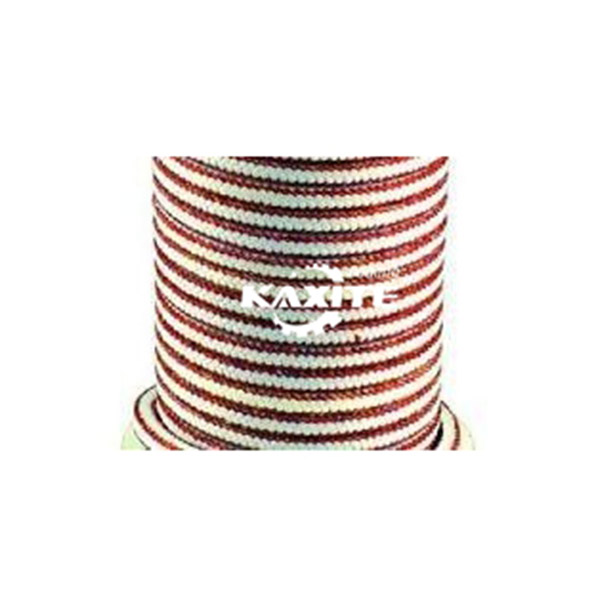
Cotton Fiber Packing with Grease The cotton fiber packing is braided from cotton yarns which had been pre-impregnated. Intensively re-impregnated during braiding. It is flexible and elastic, easy to handle. It can be within Vaseline and butter.

Cotton Fiber Packing with Graphite
Cotton Fiber Packing with Graphite is braided from cotton yarns which impregnated with special oil with graphite. Graphite reduce the frictional factor, increase the temperature.
Kaxite is a leading China Vegetable Fiber Packing manufacturer, supplier and exporter. Adhering to the pursuit of perfect quality of products, so that our Vegetable Fiber Packing have been satisfied by many customers. Extreme design, quality raw materials, high performance and competitive price are what every customer wants, and that's also what we can offer you. Of course, also essential is our perfect after-sales service. If you are interested in our Vegetable Fiber Packing services, you can consult us now, we will reply to you in time!