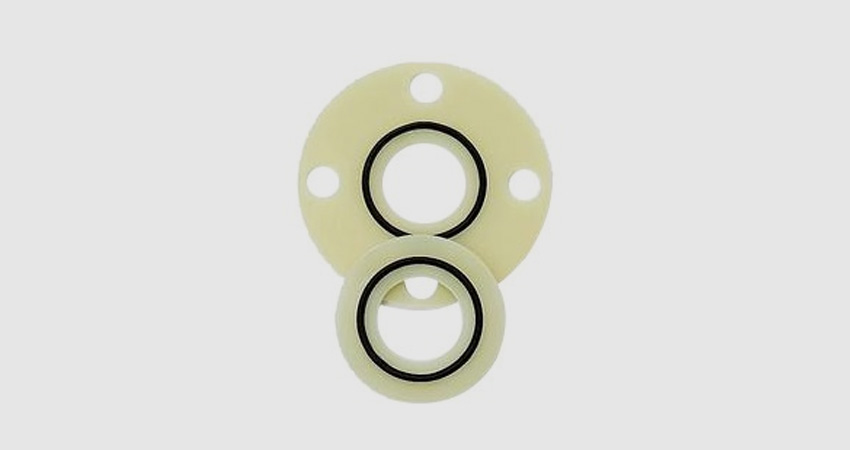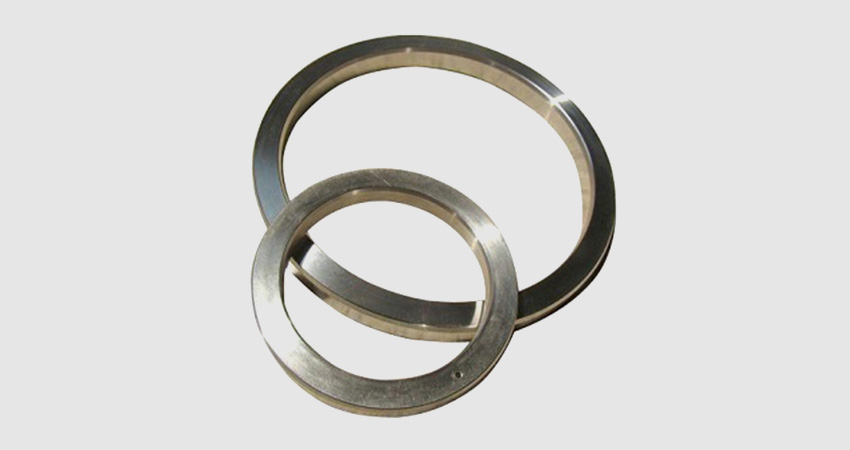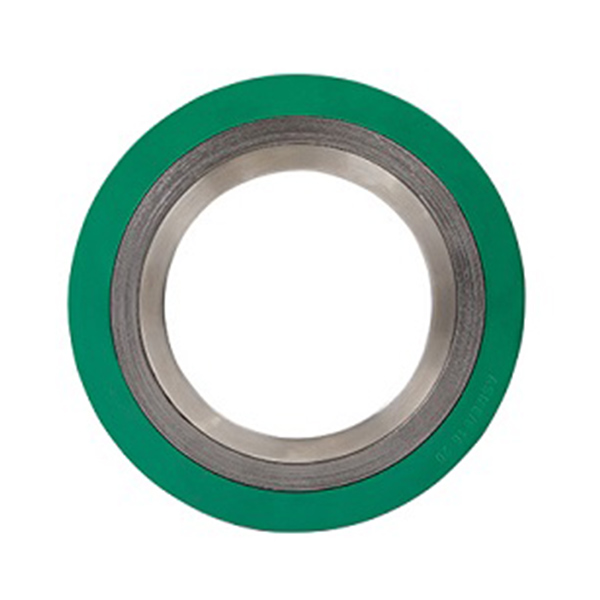
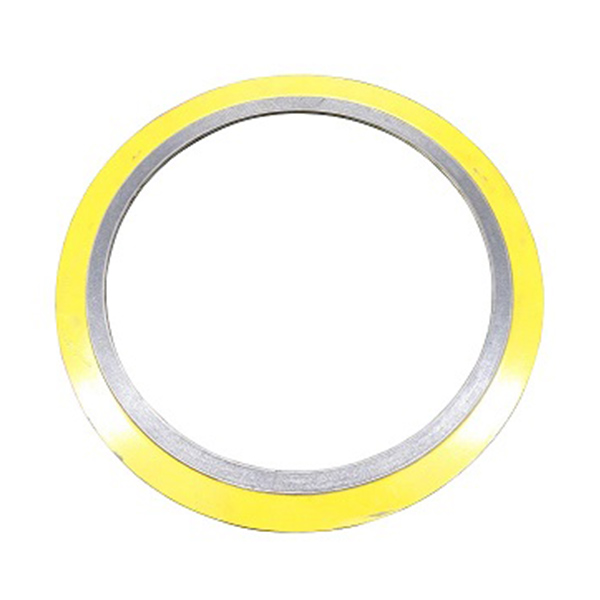

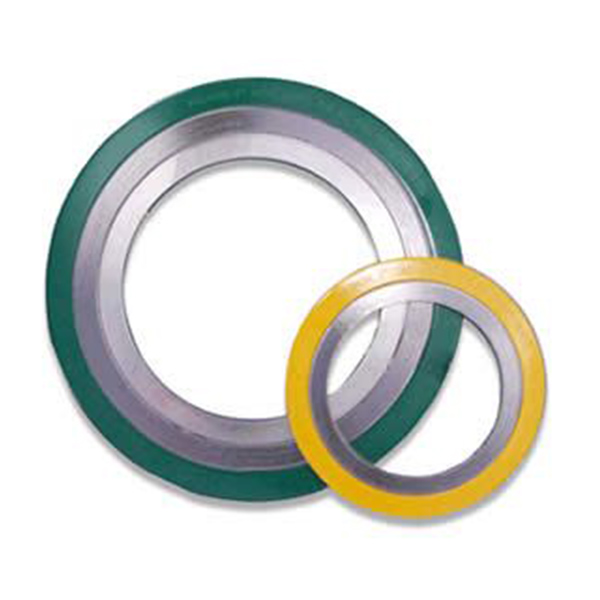

API Ring Joint Type Gasket
Model:KXT 860
API Ring Joint Type Gasket available in Oval (Style 377), Octagonal (Style 388), BX, RX, SRX and SBX types. Manufactured to API 6A and ASME B16.20. Oval and Octagonal for pressures up to 10,000 psi; BX and RX up to 15,000 psi. Stock sizes R11 to R105. API Level 4 licensed supplier with material certificates available.
API Ring Joint Type Gasket Manufacturer & Supplier in China
Kaxite KXT 860 API Ring Joint Type Gasket is a metal ring gasket designed for high-pressure oilfield, petrochemical, and subsea sealing applications. It is manufactured to API 6A and ASME B16.20 standards, and Kaxite is licensed by the American Petroleum Institute (API) as a Level 4 high-quality rating supplier.
Available in Oval (Style 377), Octagonal (Style 388), BX, RX, and SRX/SBX subsea-vented types, with standard sizes from R11 to R105 and additional API 6BX / API 17D sizes. Stock materials include low carbon steel, SS304, SS316, and corrosion-resistant alloys. Custom materials and non-standard sizes are available on request.
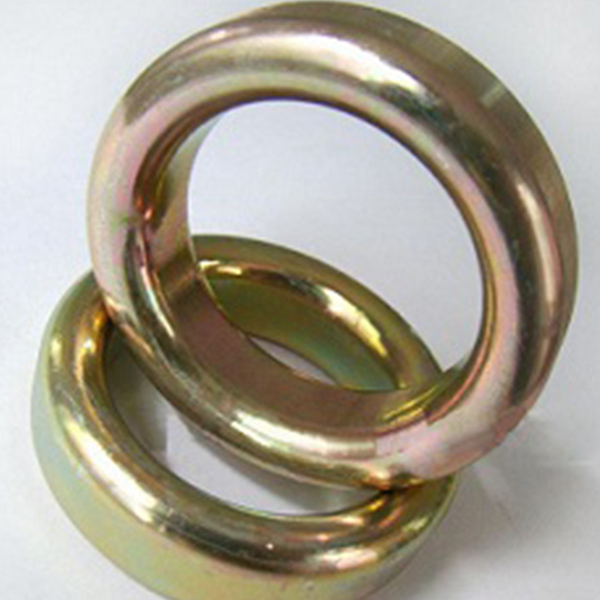
API Ring Joint Type Gasket — high pressure metal ring gasket for API 6A / ASME B16.20 flanges
Why Buyers Choose Kaxite API Ring Joint Gaskets
API Licensed Supplier
Kaxite is licensed by the American Petroleum Institute as a Level 4 high-quality rating supplier, with gaskets manufactured strictly to API 6A and ASME B16.20 specifications.
Wide Pressure Range
Oval and Octagonal ring gaskets for pressures up to 10,000 psi; BX and RX types for pressures up to 15,000 psi in API 6BX and API 6B flanges.
Full Size Coverage
Stock sizes from R11 to R105, plus BX, RX, SRX, and SBX designations. Non-standard sizes produced to drawings on request.
Material Options
Low carbon steel, SS304, SS316, and corrosion-resistant alloys for subsea and sour service. Material certificates available as required.
Subsea-Ready SRX / SBX
SRX and SBX gaskets per API 17D for subsea wellhead and tree equipment, with cross-drilled vent holes to prevent pressure lock during underwater make-up.
Fast Delivery
Stock items ship quickly from R11 to R105. Prototype tooling 3–7 days, production tooling 10–15 days, and regular orders 7–15 days by quantity.
Typical Applications
Ring Joint Gasket Types: Oval, Octagonal, BX, RX, SRX, SBX
Ring joint gaskets are available in several cross-section designs. Each type fits a specific flange groove and pressure class. The comparison below helps buyers select the correct style before requesting a quote.
Oval Ring Joint Gasket — Style 377 (R Type)
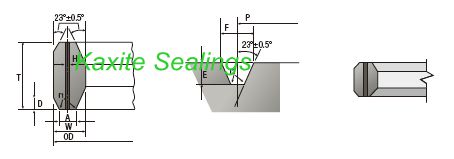
Oval cross-section ring gasket for standard API 6B flanges. It fits both old-style round-bottom grooves and newer flat-bottom grooves.
Octagonal Ring Joint Gasket — Style 388 (R Type)
Octagonal cross-section ring gasket with higher sealing efficiency than the oval type. Used in flat-bottom groove flanges only.
BX Ring Joint Gasket
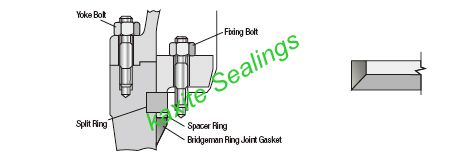
Square cross-section with tapered corners, designed only for API 6BX flanges. Standard sizes stocked in low carbon steel, SS304, and SS316.
RX Ring Joint Gasket
Similar to the octagonal style but with a cross-section designed to use contained fluid pressure to assist sealing. Interchangeable with standard octagonal rings in API 6B flanges.
SRX & SBX Subsea Ring Gaskets
Per API 17D for subsea wellhead and tree equipment. Vented with cross-drilled holes to prevent pressure lock during underwater make-up. Same dimensions as RX and BX with matching number designations.
Lens Ring Joint Gasket
Spherical cross-section ring gasket for high-pressure pipeline connections. Available on request for specific line sizes and pressure ratings.
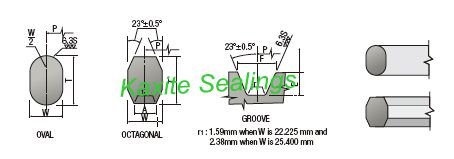
Oval (Style 377) and Octagonal (Style 388) ring joint gasket cross sections
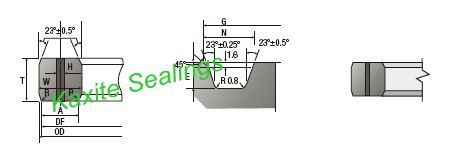
BX ring gasket — square cross section with tapered corners for API 6BX flanges
RX ring gasket — pressure-energized design for API 6B flanges
SRX and SBX subsea ring gaskets — vented design per API 17D
Material Options and Selection Guide
Ring joint gasket material must be softer than the flange material to prevent flange deformation. The table below summarizes common stock and made-to-order materials.
| Material | Typical Hardness | Service | Availability |
| Low Carbon Steel | ≈ 120 HB | General oilfield, non-corrosive | Stock R, RX, BX |
| SS304 | ≈ 160 HB | General corrosive service | Stock R, RX, BX |
| SS316 / SS316L | ≈ 160 HB | Chemical, offshore, sour service | Stock R, RX, BX |
| Alloy 825 / Inconel 625 | Per ASTM | High corrosion, subsea, sour gas | Made to order |
| F5 / F11 / F22 | Per ASTM | High temperature refinery service | Made to order |
Buyer note: Ring hardness must be lower than flange hardness to prevent groove deformation. For sour service (H2S), please confirm NACE MR0175 compliance. For subsea projects, specify SRX or SBX per API 17D.
Available Sizes, Standards, and Customization
- Standard R sizes: R11 to R105 (stock and made to order)
- BX sizes: BX150 to BX158 and other API 6BX designations
- RX sizes: RX20 to RX54 and matching designations
- SRX and SBX per API 17D for subsea wellhead and tree equipment
- Manufactured to API 6A and ASME B16.20 specifications
- Custom sizes, materials, and hardness on request with drawing
Why Choose Kaxite Sealing
Ningbo Kaxite Sealing Materials Co., Ltd. is a professional sealing materials manufacturer and supplier in China, serving oilfield, petrochemical, power, and subsea customers worldwide. Kaxite is licensed by the American Petroleum Institute as a Level 4 high-quality rating supplier and operates an ISO quality management system across all production processes.
- API licensed: Level 4 high-quality rating supplier, gaskets manufactured to API 6A and ASME B16.20.
- Wide stock range: R11 to R105 ready for immediate shipment, plus RX, BX, SRX, and SBX sizes.
- Material traceability: Raw material incoming inspection to ASTM, with material certificates available on request.
- OEM / ODM support: Custom ring joint gaskets produced to customer drawings and specifications.
- Fast response: Technical sales team responds within 2 business hours for urgent inquiries.
What to Include in Your Inquiry
To quote accurately and quickly, please provide the following information:
- Gasket type: Oval (R), Octagonal (R), BX, RX, SRX, or SBX
- Size designation (e.g., R24, RX35, BX155) or drawing
- Flange standard and pressure class (API 6B, 6BX, API 17D, etc.)
- Material and hardness requirement (low carbon steel, SS304, SS316, alloy)
- Operating pressure and temperature
- Process media (oil, gas, sour service, subsea, etc.)
- Quantity and delivery target
- Any certification requirement (API, NACE MR0175, material certificate)
Need a Factory Quote or Technical Recommendation?
Send us your ring joint gasket size, flange standard, material, and pressure class. Our sealing engineer will reply within 2 business hours.
Send Inquiry / Request a Quote Chat on WhatsAppFAQ: API Ring Joint Type Gasket
What is an API ring joint type gasket?
It is a metal ring gasket used in high-pressure oilfield and petrochemical flanges. The ring sits in a machined groove in the flange face and seals by line contact or edge contact as bolt load is applied. Standard designs include Oval, Octagonal, BX, RX, and subsea SRX/SBX types.
What is the difference between Oval and Octagonal ring gaskets?
The Octagonal type has higher sealing efficiency and is preferred for flat-bottom grooves. The Oval type can be used in both old round-bottom grooves and newer flat-bottom grooves. Both are used up to 10,000 psi and are covered by API 6A and ASME B16.20.
When should I use BX or RX instead of R type?
BX gaskets are used only in API 6BX flanges at pressures up to 15,000 psi. RX gaskets are pressure-energized and interchangeable with standard octagonal rings in API 6B flanges, also up to 15,000 psi. Select the type based on your flange standard and pressure class.
What are SRX and SBX gaskets used for?
SRX and SBX gaskets are per API 17D for subsea wellhead and tree equipment. They have cross-drilled vent holes so trapped water can escape during underwater make-up, preventing pressure lock. They match RX and BX dimensions with the same number designations.
What material should I choose for a ring joint gasket?
The ring material must be softer than the flange to prevent groove deformation. Low carbon steel is common for general oilfield service; SS304 and SS316 for corrosive service; alloy 825 or Inconel 625 for subsea, sour gas, and high-corrosion applications. For H2S service, specify NACE MR0175 compliance.
What sizes do you stock?
Kaxite stocks R sizes from R11 to R105, plus BX, RX, SRX, and SBX designations. Non-standard sizes and custom materials are produced to drawing on request.
What information is needed for a quotation?
Please provide the gasket type (R, RX, BX, SRX, SBX), size designation or drawing, flange standard and pressure class, material and hardness, operating pressure and temperature, media, quantity, and any certification requirement. A drawing or sample helps us confirm faster.
Related Category
Send Inquiry
Contact Info
-
Address
No. 432 Zhenhai Middle Road, Luotuo Street, Zhenhai District, Ningbo City, Zhejiang China
-
-
Email
Request a Quote or Technical Consultation
Share your sealing requirement and our technical sales team will respond within 24 business hours. For fastest service, include your flange specification, operating pressure, temperature, and process media in the message below.


News Recommendations