
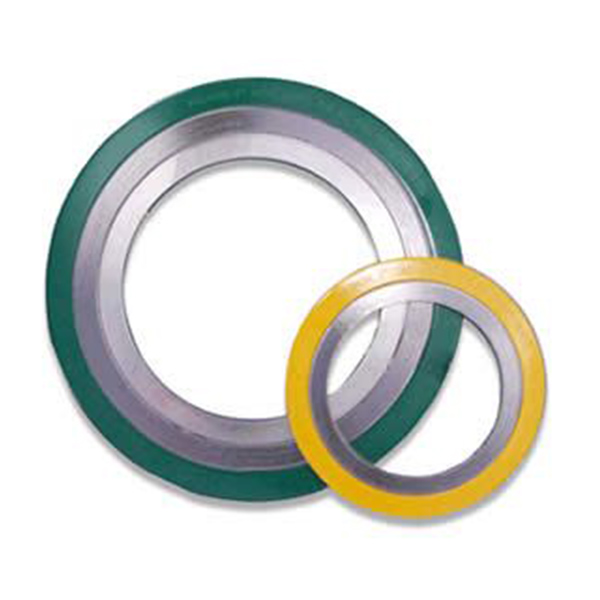

Copper Head Gasket
Model:KXT 1220
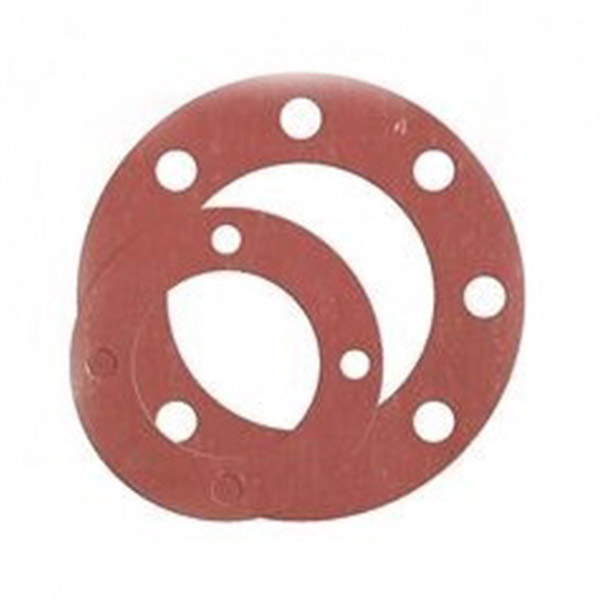
KXT-1220 copper head gaskets are precision CNC-machined from a solid sheet of dead-soft copper for turbocharged, nitrous-oxide, supercharged and high-compression engines. The solid copper construction will not compress, will not blow out, and does not require re-torquing after heat cycles. Rated 2–42 MPa combustion pressure and suitable for Top Fuel, Circle Track, drag racing and street performance builds. Supplied as a set of two dead-soft gaskets; custom bores and thicknesses quoted factory-direct within 24 business hours.
What is a solid copper head gasket? A solid copper head gasket is a cylinder-head sealing gasket CNC-machined from a sheet of dead-soft copper. Unlike composite or MLS (multi-layer steel) gaskets, it contains no compressible core or elastomer coating — it seals by conforming to the cylinder head and block surfaces under bolt clamp load, and because the copper itself does not compress, the joint does not relax and does not require re-torquing after heat cycles. Kaxite KXT-1220 is supplied as a set of two dead-soft copper gaskets, rated for 2–42 MPa combustion pressure and specified for turbo, nitrous, supercharged and high-compression engines.
Kaxite KXT-1220 copper head gaskets are machined from a solid sheet of dead-soft copper, not stamped or rolled. Each set contains two ready-to-install gaskets. The CNC-machined bore and stud-hole alignment is what delivers the drop-on fit that racers expect — no trimming, no slotting, no clearance work on the block. This is a performance-engine product, positioned for the top end of the copper gasket range, not for industrial flange service.
Specifications & Sizes
KXT-1220 Copper Head Gasket — Specifications, Thickness Options and Factory Quote
The data below covers the standard KXT-1220 configuration. Bore diameter, gasket thickness and stud-hole pattern are made to your engine specification or drawing; include the engine code, bore size and required compressed thickness in the enquiry for accurate pricing and lead time.
KXT-1220Model
Solid dead-soft copper, CNC-machinedMaterial & Process
2 gaskets per set (ready-to-install)Supply Format
2 – 42 MPa (≈ 290 – 6,090 psi)Combustion Pressure
Custom to bore / drawing; common 0.5 – 3.0 mmThickness Range
Custom — made to engine code and bore sizeBore Diameter
Reusable with proper handling and installationReusability
No re-torque required after heat cyclesRe-Torque
Will not compress and will not blow outFailure Mode
Top Fuel, Circle Track, drag racing, street performance, turbo, nitrous, blown, high-compressionApplication Range
 CNC-machined bore and stud-hole alignment for a drop-on fit — no trimming or slotting on installation.
Selection Logic
Solid Copper vs MLS vs Composite — When Copper Head Gaskets Win
The three gasket families are not interchangeable. Composite (fibre / graphite) gaskets are the OEM choice for stock engines — cheap, forgiving, and adequate for factory compression and boost. MLS (multi-layer steel) gaskets are the modern performance default — a stack of thin stainless layers with an elastomer coating, sealing well across a wide range of surface finishes and clamping loads. Solid copper is the third option, and it wins in a narrower but real set of conditions: very high combustion pressure, very high cylinder temperature, or a combination of both that would overwhelm a compressible gasket.
Composite
Fibre or graphite core with a soft facing. Stock engines and mild builds. Compresses under heat cycles, so re-torque is usually required. Not suitable above moderate boost or compression.
MLS (Multi-Layer Steel)
Stainless layers with elastomer coating. The performance default for turbo and high-compression builds. Tolerates a wide surface finish range. The correct choice for most high-performance street and track engines.
Solid Copper (KXT-1220)
No compressible core, no elastomer coating. Seals by metal-to-metal conformity. Will not compress, will not blow out, no re-torque. The correct choice for Top Fuel, extreme boost, very high cylinder pressure, or where the block and head surfaces have been machined flat and are dimensionally stable.
The practical selection rule: if the engine is a mild build or the deck and head have not been machined flat, an MLS gasket is the safer default. Copper becomes the right call when the combustion pressure or temperature pushes the joint beyond what a compressible gasket can hold, or when the engine builder has already committed to copper as part of the build specification. For a plain solid copper gasket without a head-specific bore pattern, see the solid copper gasket range; for copper exhaust sealing rather than head sealing, see the copper exhaust gasket page.
Applications
Turbo, Nitrous, Blown and High-Compression Engine Applications
KXT-1220 is a performance-engine part, and the applications are specific to that world. The dominant uses are turbocharged engines running high boost, where combustion pressure pushes past what a composite or lower-grade MLS gasket can hold; nitrous-oxide systems, where the sudden pressure spike from an aggressive nitrous shot can lift or crush a compressible gasket; supercharged / blown engines, where sustained boost and heat load degrade elastomer-coated gaskets faster than solid copper; and high-compression naturally aspirated engines, where the static compression ratio alone is high enough that a copper seal is the reliable choice.
In competition use, KXT-1220 is specified in Top Fuel and Funny Car — the extreme end of the pressure and temperature spectrum — as well as Circle Track and drag racing classes where the rules and build spec call for copper. In street-performance and street-strip builds, copper is less common but appears where the owner has deliberately built the engine around a copper joint — typically because the block and head have been O-ringed, machined flat, and specified for high boost. The gaskets are supplied in sets of two, ready to install without trimming, slotting or clearance work.
Installation note: copper head gaskets are not a drop-in replacement for a composite or MLS gasket on an unprepared engine. Copper works when the head and block deck surfaces are flat (typically within 0.05 mm / 0.002 in across the length of the head), clean and free of old gasket residue. On engines that have not been machined flat, an MLS gasket is usually the better choice. Where the build calls for copper, Kaxite supplies the gasket in dead-soft condition and it is installed without any additional annealing step.
Technical Notes
Dead-Soft Copper, Reusability and Thickness Selection
Dead-soft copper is copper in its fully annealed state — the softest and most conformable form. It is what allows the gasket to conform to the head and block surfaces without requiring an elastomer coating, and it is what makes the gasket reusable. After a heat cycle, copper work-hardens; the gasket can be re-used by annealing it back to dead-soft — heating and quenching — before reinstallation. This is the practical meaning of "reusable with proper handling and installation": the gasket is not single-use, but it is also not re-usable indefinitely without the annealing step.
Thickness selection is a build decision, not a catalogue decision. Thinner gaskets (around 0.5–0.8 mm) maximise compression ratio; thicker gaskets (1.5–3.0 mm) are used to adjust piston-to-valve clearance, to correct deck height after machining, or to reduce compression ratio on a forced-induction build. The correct thickness for a given engine should be specified by the engine builder against the piston deck clearance and target compression ratio, not chosen from a range in isolation. For applications requiring higher-purity copper — for example, vacuum or semiconductor sealing rather than engine sealing — the OFHC copper gasket range is the more appropriate material.
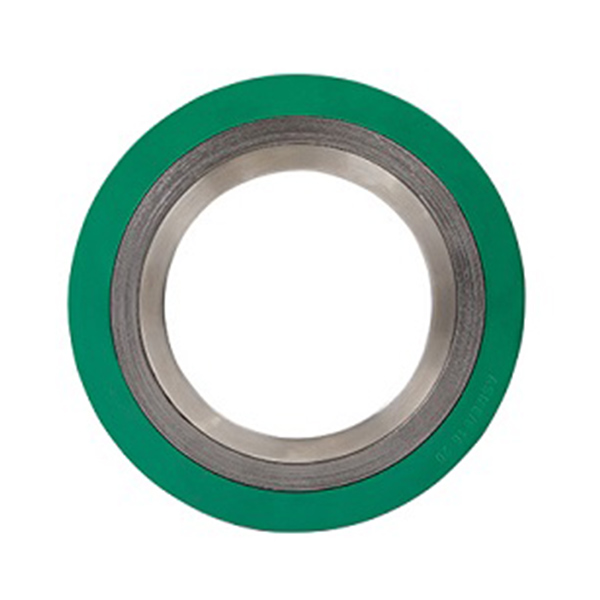
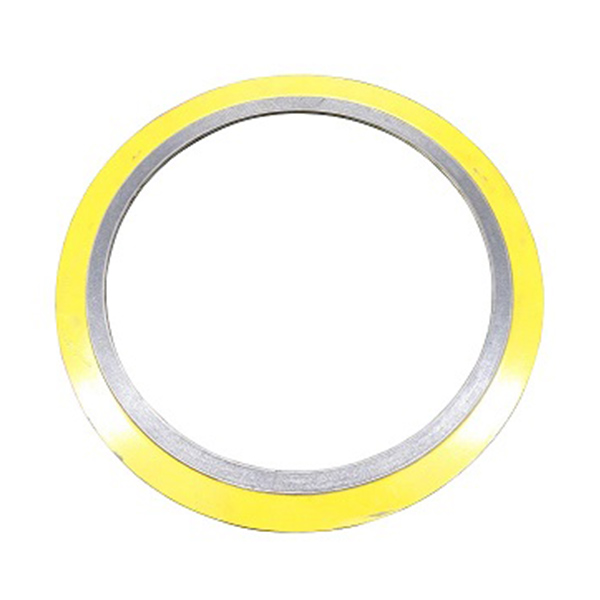
For industrial flange sealing at high pressure and high temperature — where the duty is steam, hydrocarbon or chemical service rather than combustion pressure — the spiral wound gasket range is the correct specification, not a copper head gasket. KXT-1220 is a performance-engine part, not a general-purpose industrial gasket, and the two should not be interchanged.
Factory Supply
Custom Bores, Thickness Options and Bulk Quote Requirements
KXT-1220 is machined at Kaxite’s Ningbo facility and supplied factory-direct for engine builders, race teams, distributors and performance-parts OEM procurement. Standard sets are two gaskets per order, with bore size, stud-hole pattern and thickness made to the customer’s engine specification or drawing. For buyers consolidating a build package, KXT-1220 can be combined with other gasket lines in a single shipment.
To quote accurately, include: engine code or make/model, bore diameter, required gasket thickness (compressed), stud-hole pattern (if non-standard), quantity (number of sets of two), target compression ratio or application (turbo / nitrous / blown / NA / competition class), and whether annealing support or a replacement set is required for a service interval. The technical sales desk returns pricing, lead time and material certification scope within 24 business hours.
Send your specification →
Send your specification →
Related Category
Send Inquiry
Contact Info
-
Address
No. 432 Zhenhai Middle Road, Luotuo Street, Zhenhai District, Ningbo City, Zhejiang China
-
-
Email
Request a Quote or Technical Consultation
Share your sealing requirement and our technical sales team will respond within 24 business hours. For fastest service, include your flange specification, operating pressure, temperature, and process media in the message below.


News Recommendations