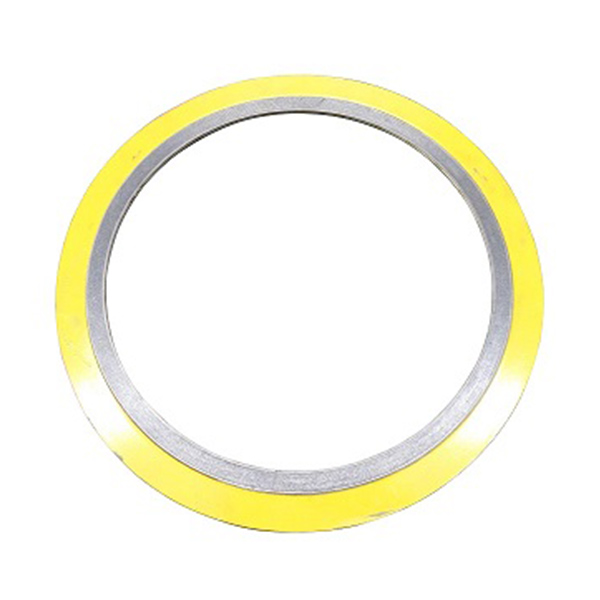

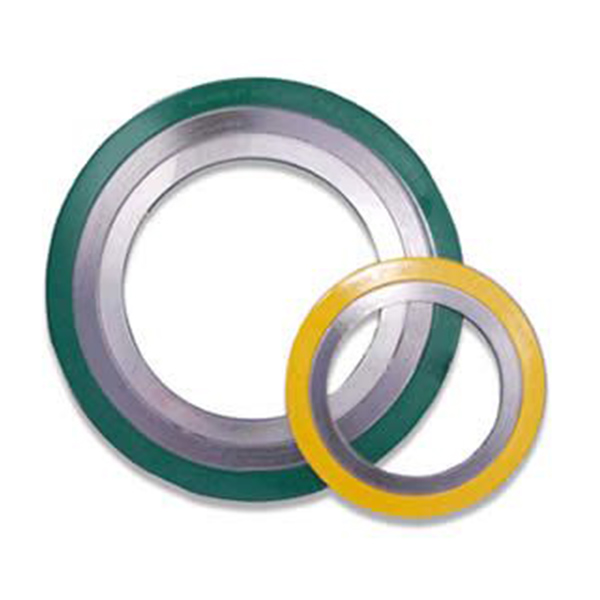

OFHC Copper Gaskets
Model:KXT 1230
To make a leak tight UHV seal between two conflat flanges, a gasket is required. OFHC Copper Gaskets is normally used as this sealing material as it is very clean, can easily be formed to shape, has a wide temperature range, and has a low outgassing rate.
What is an OFHC Copper Gasket and why is it used on CF flanges?
OFHC Copper Gasket KXT 1230 is a knife-edge sealing gasket punched from 1/4 hard, high purity, oxygen-free copper stock and used to create a leak-tight UHV (ultra-high vacuum) seal between two Conflat (CF) flanges. Copper is chosen because it is extremely clean, easily formed to shape, has a wide temperature range, and has a very low outgassing rate — all critical requirements for high-vacuum and UHV systems.
Each gasket is chemically cleaned and processed to minimize scratches and burrs, using deburring and polishing processes designed specifically for vacuum applications. Kaxite manufactures OFHC copper, silver-plated copper, gold-plated copper, annealed copper, aluminum (1100-H14), nickel and fluorocarbon CF flange gaskets, individually packaged for clean handling.
Kaxite is a China-based vacuum gasket manufacturer with more than 10 years of sealing materials experience, offering standard CF16 through CF250 sizes plus non-standard gaskets made to customer requirements. Request a quote →
Material Guide
Which CF gasket material should you choose?
Direct answer: Choose OFHC copper for standard stainless steel CF flange sealing. Choose silver or gold plated copper for systems requiring frequent high-temperature bakeouts. Choose aluminum (1100-H14) only for aluminum CF flanges or stainless steel flanges restricted to ≤200°C baking. Choose nickel for corrosive environments and fluorocarbon for non-UHV, frequently reassembled applications.
OFHC Copper
Standard · Most Common
The normal gasket for stainless steel CF flanges, punched from 1/4 hard, high purity, oxygen-free copper stock and chemically cleaned to minimize scratches and burrs.
Silver & Gold Plated Copper
Frequent Bakeout
Recommended for systems requiring frequent high-temperature bakeouts. The plated layer prevents copper diffusion and gasket sticking to the flange after repeated thermal cycling.
Aluminum (1100-H14)
Aluminum Flanges Only
Aluminum CF flanges must use aluminum gaskets — never copper. Aluminum gaskets may be used on stainless steel CF flanges only if baking is restricted to 200°C.
Nickel
Corrosive Environments
Nickel gaskets are typically used in applications with a corrosive environment, where copper or aluminum would degrade too quickly.
Fluorocarbon
Non-UHV · Reusable
Flat cross-section fluorocarbon gaskets are convenient and reusable in non-critical, non-UHV applications, particularly where frequent reassembly is required.
Annealed Copper
Soft · Conforming
Annealed copper gaskets are softer than 1/4 hard OFHC and conform more easily to imperfect flange surfaces. Available on request.
Specifications
What are the standard CF flange gasket sizes?
Direct answer: Kaxite manufactures OFHC copper CF gaskets in 10 standard sizes — CF16, CF25, CF35, CF50, CF63, CF80, CF100, CF150, CF200 and CF250 — each with a specific inner (A) and outer (B) diameter. Non-standard copper gasket seals are also produced to customer requirements.
| Type (CF) | A — Inner Dia. (mm) | B — Outer Dia. (mm) | Order No. | Weight (kg) |
|---|---|---|---|---|
| CF16 | 21.3 | 16.2 | 7355 | 0.01 |
| CF25 | 35 | 25.6 | 7356 | 0.01 |
| CF35 | 48.1 | 36.8 | 7357 | 0.02 |
| CF50 | 61.6 | 52 | 7358 | 0.02 |
| CF63 | 82.4 | 63.6 | 7359 | 0.05 |
| CF80 | 99 | 82 | 7360 | 0.07 |
| CF100 | 120.5 | 102 | 7361 | 0.07 |
| CF150 | 171.3 | 152.5 | 7362 | 0.10 |
| CF200 | 222.1 | 203 | 7363 | 0.14 |
| CF250 | 273.1 | 254 | 7364 | 0.20 |
Standard CF sizes per Kaxite datasheet. Non-standard copper gasket seals are manufactured upon request.
CF16 CF25 CF35 CF50 CF63 CF80 CF100 CF150 CF200 CF250
Sealing Principle
How does a CF flange copper gasket create a UHV seal?
Direct answer: The CF flange uses a knife-edge that cuts into the soft copper gasket when the flange bolts are tightened. This cold-flow deformation of the copper creates a metal-to-metal, leak-tight seal. Because metal gaskets are impermeable to gases and withstand moderately high temperatures indefinitely, CF flanges are the most widely used system for high-vacuum and UHV applications.
Step 1 — Insert the copper gasket between two CF flanges Place a new, individually packaged OFHC copper gasket between the mating knife edges of the two CF flanges. Do not reuse copper gaskets after tightening.
Step 2 — Tighten flange bolts in a cross pattern Gradually tighten the bolts in a cross pattern to compress the copper gasket evenly. The knife edges cut into the copper, forming a UHV-tight metal seal.
Step 3 — Bake the system if high-temperature cleanliness is required CF flanges with OFHC copper gaskets tolerate standard UHV bakeout temperatures. For repeated high-temperature bakeouts, use silver or gold plated copper gaskets to prevent sticking.
Step 4 — Replace the gasket at each reassembly Copper gaskets are single-use. Replace with a new individually packaged gasket each time the flange is opened to maintain vacuum integrity.
Applications
Where are OFHC copper CF gaskets used?
Direct answer: OFHC copper CF gaskets are used in UHV and high-vacuum systems where all-metal, low-outgassing seals are required. Common industries include semiconductor, surface science, accelerator and synchrotron, thin film deposition, and analytical instrumentation.
Semiconductor Manufacturing
Used on CF flange joints in vacuum chambers, ion implanters, plasma etch systems, and deposition tools where UHV cleanliness is critical.
Surface Science & Research
Standard gasket for XPS, AES, LEED, and other surface analysis systems that operate at UHV and require bakeout at high temperature.
Accelerator & Synchrotron
Used on beamline vacuum joints, where metal gaskets resist radiation and maintain ultra-high vacuum over long service intervals.
Thin Film Deposition
Used on sputtering, evaporation, CVD and PVD chamber flanges, where outgassing must be kept to an absolute minimum.
Analytical Instruments
Used in mass spectrometers, electron microscopes and surface analysis tools that rely on CF flange systems for UHV sealing.
Industrial Vacuum Systems
Used on CF flanges in freeze dryers, vacuum furnaces, and industrial high-vacuum processes that require a metal seal.
Customization & OEM
Can Kaxite manufacture non-standard copper gaskets?
Direct answer: Yes. Kaxite manufactures non-standard copper gasket seals upon customer requirement, in OFHC copper, silver-plated copper, gold-plated copper, annealed copper, aluminum (1100-H14), nickel, and fluorocarbon. Custom dimensions, plating thickness, and surface finish are supported.
Custom dimensions to your drawing Send inner diameter, outer diameter, thickness, and knife-edge profile details — Kaxite will quote a custom tooling and production plan.
Plating options Silver or gold plating is recommended for systems requiring frequent high-temperature bakeouts. Plating thickness can be specified.
OEM / ODM branding Private-label packaging and product identification available on request, subject to minimum order quantity.
Sample and production lead time Samples for standard sizes typically ship in 5–7 days. Production lead time for standard and custom orders is typically 15–25 days after order confirmation.
FAQ
Frequently asked questions about OFHC copper gaskets
Q1What is an OFHC copper gasket?
OFHC stands for Oxygen-Free High Conductivity. An OFHC copper gasket is punched from 1/4 hard, high-purity, oxygen-free copper stock and used as a knife-edge sealing gasket between two CF (Conflat) flanges to create a leak-tight UHV seal.
Q2Why is copper the standard material for CF flange gaskets?
Copper is very clean, easily formed to shape, has a wide temperature range, and has a low outgassing rate. When compressed by the knife edge of the CF flange, copper cold-flows to create a metal-to-metal, leak-tight seal that is impermeable to gases and withstands high temperatures indefinitely.
Q3What sizes of CF copper gaskets does Kaxite supply?
Kaxite supplies 10 standard sizes: CF16, CF25, CF35, CF50, CF63, CF80, CF100, CF150, CF200 and CF250. Non-standard copper gasket seals are also manufactured to customer requirements.
Q4When should I use silver or gold plated copper instead of plain OFHC copper?
Silver or gold plated copper gaskets are recommended for systems requiring frequent high-temperature bakeouts. The plated layer prevents copper diffusion and gasket sticking to the flange after repeated thermal cycling.
Q5Can I use copper gaskets on aluminum CF flanges?
No. Aluminum CF flanges must use aluminum gaskets — never copper. Aluminum gaskets may be used on stainless steel CF flanges only if baking is restricted to 200°C.
Q6Are CF copper gaskets reusable?
Metal copper gaskets are single-use — the knife edge permanently deforms the copper when tightening, so a new gasket should be used each time the flange is opened. Flat cross-section fluorocarbon gaskets are the only reusable option, and only in non-UHV, non-critical applications.
Q7Can copper gaskets be used in corrosive environments?
For corrosive environments, nickel gaskets are typically used instead of copper. Kaxite manufactures nickel CF flange gaskets on request.
Q8How are OFHC copper gaskets cleaned and packaged?
Each gasket is chemically cleaned and processed to minimize scratches and burrs using deburring and polishing processes designed specifically for vacuum applications. Every OFHC copper, silver-plated, and annealed gasket is individually packaged for clean handling.
Q9What is the MOQ and lead time for OFHC copper gaskets?
MOQ depends on size and quantity — small trial orders are possible for standard sizes. Sample lead time is typically 5–7 days. Production lead time for standard and custom orders is typically 15–25 days after order confirmation.
Q10Can Kaxite manufacture a custom non-standard copper gasket?
Yes. Kaxite manufactures non-standard copper gasket seals upon customer requirement. Provide inner diameter, outer diameter, thickness and knife-edge profile details for a custom quotation.
Request a quote for OFHC Copper Gaskets KXT 1230
Send us your CF flange size, quantity, and preferred material — plain OFHC copper, silver-plated, gold-plated, aluminum, nickel or fluorocarbon — and Kaxite's technical team will respond within 2 business hours with pricing and lead time. For non-standard sizes, include a drawing with inner and outer diameters, thickness, and knife-edge profile.
Hot Tags:
Related Category
Send Inquiry
Contact Info
-
Address
No. 432 Zhenhai Middle Road, Luotuo Street, Zhenhai District, Ningbo City, Zhejiang China
-
-
Email
Request a Quote or Technical Consultation
Share your sealing requirement and our technical sales team will respond within 2 business hours. For fastest service, include your flange specification, operating pressure, temperature, and process media in the message below.


News Recommendations