

Anti-Static Rubber Sheet Pad
Model:KXT A220
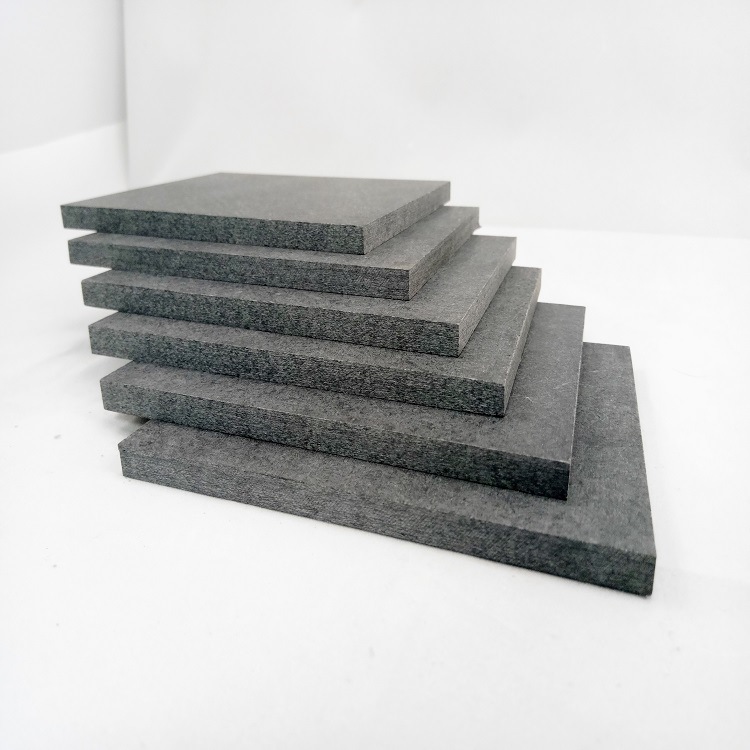
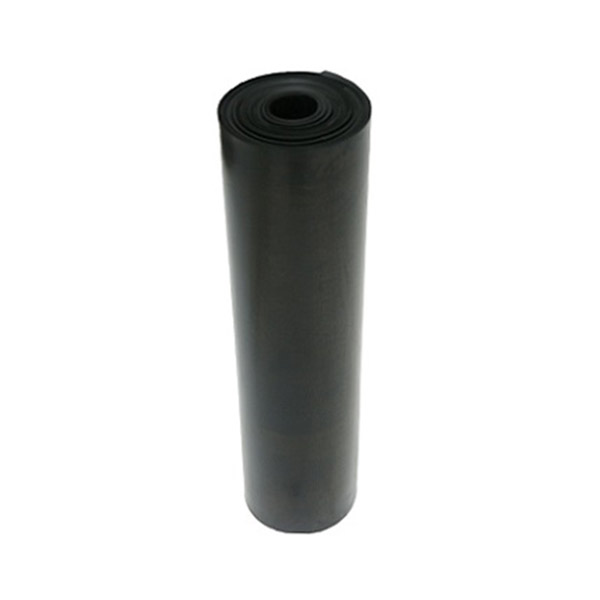
Anti-static rubber sheet pad (model KXT A220) is a two or three-layer composite ESD mat with a static dissipative top layer (10⁷–10⁹ Ω) and a conductive bottom layer (10³–10⁵ Ω). Standard size 10 m × 0.6 m, thickness 2 mm or 3 mm, tensile strength 4–5 MPa, elongation 260%, hardness 65 Shore A. Available in black, green, grey and blue. Used for electronic assembly benches, PCB handling areas, laboratories, cleanrooms and SMT production lines where electrostatic discharge must be controlled. Custom sizes, colours and die-cutting available; free samples on request.
What Is an Anti-Static Rubber Sheet Pad?
Anti-Static Rubber Sheet Pad (also called ESD mat, anti-static mat or static dissipative rubber sheet; Kaxite model KXT A220) is a two or three-layer composite rubber mat. The top layer is a static dissipative surface that slowly bleeds off static charge, and the bottom layer is a conductive layer that safely routes the charge to ground. This layered structure prevents a sudden electrostatic discharge (ESD) that could damage sensitive electronic components.
Anti-Static Rubber Sheet Pad is mainly made with conducting electrostatic materials, static dissipative material and synthetic rubber. Anti-Static Rubber Sheet Pad has a long service life and offers good resistance to dilute acids, alkalis and chemical fluxes, together with wear resistance and easy cleaning. Standard size is 10 m × 0.6 m with thickness of 2 mm or 3 mm; custom sizes, colours and die-cut shapes are available.


Anti-Static Rubber Sheet Pad — Quick Specifications
ModelKXT A220
Structure2 or 3 layers
Thickness2 mm / 3 mm
Standard Size10 m × 0.6 m
Surface Resistivity10⁷ – 10⁹ Ω
Bottom Resistivity10³ – 10⁵ Ω
Hardness65 Shore A
MOQ500 kg (negotiable)
Why Use an Anti-Static Rubber Sheet Pad?
Static electricity builds up on ordinary work surfaces and can discharge suddenly when a charged object touches a sensitive electronic component. A sudden electrostatic discharge can damage or destroy integrated circuits, MOSFETs, PCB traces and other ESD-sensitive devices. An Anti-Static Rubber Sheet Pad prevents this by:
- Slowly bleeding off static charge through the static dissipative top layer, instead of allowing a sudden discharge.
- Providing a safe path to ground through the conductive bottom layer when the mat is connected to an earth point.
- Protecting ESD-sensitive components during assembly, inspection, testing and repair.
- Reducing dust attraction on the work surface, which improves cleanliness in electronics assembly.
Unlike a conductive metal surface, the static dissipative top layer of the Anti-Static Rubber Sheet Pad prevents a rapid discharge that could still damage some components. The two-layer design is the standard solution for ESD-protected work areas.
Two-Layer Structure of the Anti-Static Rubber Sheet Pad
The Anti-Static Rubber Sheet Pad is built as a two or three-layer composite:
- Top layer — static dissipative: a rubber compound filled with static dissipative materials, with surface resistivity of 10⁷–10⁹ Ω. This layer contacts the components and slowly drains static charge.
- Bottom layer — conductive: a rubber compound filled with conductive carbon black, with resistivity of 10³–10⁵ Ω. This layer connects to the earth point and safely routes the charge to ground.
- Optional middle layer: some grades include a reinforcing fabric or film layer to improve dimensional stability and tear resistance.
The top surface of the Anti-Static Rubber Sheet Pad is smooth and easy to clean, which is important for maintaining a dust-free work area. The surface is resistant to dilute acids, alkalis and typical chemical fluxes used in soldering. Anti-Static Rubber Sheet Pad is also resistant to wear, so it retains its electrical properties over a long service life.
Technical Specifications of KXT A220
| Property | Typical Value |
|---|---|
| Product name | Anti-Static Rubber Sheet Pad |
| Model | KXT A220 |
| Standard size | 10 m × 0.6 m (custom size available) |
| Thickness | 2 mm or 3 mm (0.5–1.5 m width, 10 m or 15 m length available) |
| Colour | Black, green, grey, blue (custom colour available) |
| Structure | 2 or 3 layers composite |
| Tensile strength | 4 – 5 MPa |
| Elongation at break | 260 % |
| Hardness | 65 Shore A |
| Surface resistivity (top) | 10⁷ – 10⁹ Ω |
| Bottom resistivity | 10³ – 10⁵ Ω |
| Surface | Smooth |
Values above are typical for the KXT A220 family. Please request the current data sheet for the exact grade you require.
Surface Resistivity and Bottom Resistivity — Why Both Matter
Anti-Static Rubber Sheet Pad is specified by two resistivity values, not one. Both are important for correct ESD protection:
| Layer | Resistivity | Function |
|---|---|---|
| Top layer (surface) | 10⁷ – 10⁹ Ω | Static dissipative — slowly drains charge without a sudden discharge |
| Bottom layer (underlying) | 10³ – 10⁵ Ω | Conductive — safely routes charge to ground when connected to earth |
If the top layer were fully conductive (below 10⁶ Ω), a charged component would discharge too quickly and could still be damaged. If the top layer were fully insulating (above 10¹² Ω), static charge would build up and never drain. The 10⁷–10⁹ Ω range is the industry-recommended static dissipative range for ESD-protected work surfaces.
Colour Options of the Anti-Static Rubber Sheet Pad
| Colour | Typical Use |
|---|---|
| Green | Standard electronics assembly benches; most common colour worldwide |
| Black | General industrial and laboratory use; hides solder flux marks |
| Grey | Cleanroom and inspection stations |
| Blue | Custom-branded workstations and cleanrooms |
Custom colours are available on request. Colour does not affect electrical performance of the Anti-Static Rubber Sheet Pad.
Key Performance Advantages
ESD protection
- Two-layer structure with static dissipative top and conductive bottom.
- Surface resistivity 10⁷–10⁹ Ω — the industry-recommended dissipative range.
- Bottom resistivity 10³–10⁵ Ω for safe grounding.
Mechanical performance
- Tensile strength 4–5 MPa for durability on high-use benches.
- Elongation at break 260% for flexibility and recovery.
- Hardness 65 Shore A — comfortable for hand work but durable.
Chemical resistance
- Good resistance to dilute acids and alkalis.
- Resistant to typical soldering fluxes and cleaning agents.
- Wear resistant and easy to clean with a damp cloth.
Commercial advantages
- Long service life reduces mat replacement cost.
- Standard 10 m roll allows on-site cutting to fit any bench size.
- Custom colour and die-cut shapes available for OEM workstations.
Typical Applications of the Anti-Static Rubber Sheet Pad
Anti-Static Rubber Sheet Pad is specified wherever electrostatic discharge must be controlled. Common applications include:
- Electronics assembly — workbench mats for PCB assembly, soldering and component handling.
- SMT production lines — surface mount assembly stations and inspection benches.
- PCB handling areas — incoming inspection, repair and rework stations.
- Laboratories — electronics labs, R&D benches and test areas.
- Cleanrooms — ESD-protected cleanroom work surfaces.
- Aerospace and defence — ESD-sensitive avionics and defence electronics assembly.
- Medical device manufacturing — assembly of ESD-sensitive medical electronics.
- General industry — any workstation where static control is required.
How to Install and Ground the Anti-Static Rubber Sheet Pad
Correct installation and grounding are essential for the Anti-Static Rubber Sheet Pad to work as intended. Common practice:
- Cut the Anti-Static Rubber Sheet Pad to the required bench size using a sharp knife or die-cutting tool.
- Clean and dry the workbench surface before laying down the pad.
- Lay the Anti-Static Rubber Sheet Pad with the conductive (bottom) side facing down.
- Connect the pad to a verified earth ground using a grounding cord and snap or stud, following the manufacturer's instructions.
- Test the grounding path with an ESD mat tester to confirm resistance to earth.
A properly grounded Anti-Static Rubber Sheet Pad should be re-tested periodically (typically every 3–6 months) to confirm that the resistivity remains in the dissipative range. Tell us your workbench layout and grounding standard and we will recommend a suitable pad size and grounding accessory.
Anti-Static Rubber Sheet Pad vs Ordinary Rubber Sheet
Ordinary rubber sheet is an electrical insulator and cannot be used as an ESD work surface. The table below summarises the main differences.
| Property | Anti-Static Rubber Sheet Pad | Ordinary Rubber Sheet |
|---|---|---|
| Surface resistivity | 10⁷ – 10⁹ Ω | Above 10¹² Ω (insulating) |
| Static charge behaviour | Slowly dissipates | Accumulates |
| Grounding | Required for safe operation | Not applicable |
| Structure | 2 or 3-layer composite | Single-layer |
| Typical use | ESD-protected workbenches | General sealing and padding |
Ordinary rubber sheet must not be substituted for an Anti-Static Rubber Sheet Pad on ESD-protected workbenches. Doing so can leave ESD-sensitive components unprotected.
Supply Options & Custom Fabrication
We supply Anti-Static Rubber Sheet Pad in the form that best fits your production line:
| Option | Available Range |
|---|---|
| Form | Full roll, cut-to-size sheet, die-cut shape, bench runner |
| Standard size | 10 m × 0.6 m; other lengths and widths on request |
| Thickness | 2 mm or 3 mm standard; other thicknesses on request |
| Colour | Green, black, grey, blue standard; custom colours available |
| Structure | 2-layer or 3-layer composite |
| Edge finish | Straight cut or beveled edge on request |
| Branding | Neutral packing or your own label — OEM / ODM welcome |
Send us a drawing, a sample or simply the bench size and grounding standard and we will quote the most economical cutting layout for your Anti-Static Rubber Sheet Pad.
Need a price for Anti-Static Rubber Sheet Pad today? Tell us thickness, width, length, colour and quantity — our technical sales team replies within 2 business hours.
Why Buy Anti-Static Rubber Sheet Pad from Kaxite?
Ningbo Kaxite Sealing Materials Co., Ltd. is a China-based manufacturer and exporter of sealing materials, serving industrial distributors, OEMs and MRO buyers for more than a decade.
- Manufacturer, not just a trader — we control compounding, calendering, lamination and die-cutting in-house, which keeps quality consistent and lead times short.
- Application engineering support — our technical sales team reviews your bench size, grounding standard and resistivity requirement before recommending a grade.
- Batch traceability — incoming rubber compounds and conductive fillers are recorded, and finished Anti-Static Rubber Sheet Pad is checked for thickness, surface resistivity, bottom resistivity and appearance before packing.
- Third-party inspection welcome — SGS, BV, TÜV or your own nominated inspector can be arranged before shipment.
- Export experience — regular shipments to Europe, North America, the Middle East, Southeast Asia and South America, with export packing and documentation handled in-house.
- One-stop sourcing — as a full-range sealing supplier we also produce natural rubber sheet, neoprene rubber sheet, NBR sheet, EPDM sheet, silicone sheet, Viton sheet and PTFE sheet, so you can consolidate orders.
Quality Control & Inspection
- Incoming raw material check on rubber compound, conductive carbon black and static dissipative additives.
- In-process control of mixing ratio, calendering thickness and lamination bond strength.
- Finished goods inspection: thickness, tensile strength, elongation at break, hardness, surface resistivity and bottom resistivity.
- Surface resistivity testing with calibrated megohmmeter before packing.
- Pre-shipment sampling and retained counter-samples for traceability.
- Third-party test reports available on request against your specification.
Have a specific standard or acceptance criterion? Send it to us before ordering and we will confirm in writing whether Anti-Static Rubber Sheet Pad KXT A220 can meet it.
Ordering, Packing & Delivery
| Item | Details |
|---|---|
| Minimum order quantity | 500 kg for standard grades (negotiable for trial orders and mixed containers) |
| Sample policy | Free A4-size samples for evaluation; buyer covers courier cost |
| Lead time | Typically 15 – 25 days after order confirmation; stock items ship faster |
| Packing | Anti-Static Rubber Sheet Pad supplied in rolls or flat-packed on pallets, wrapped in film and strapped |
| Shipping | Sea, air or express; FOB Ningbo/Shanghai, CIF, DDP on request |
| Payment | T/T, L/C at sight, and other terms to be agreed |
| Documentation | Commercial invoice, packing list, bill of lading, certificate of origin, test report |
Lead times are indicative and confirmed per order.
Frequently Asked Questions
What is an Anti-Static Rubber Sheet Pad used for?
Anti-Static Rubber Sheet Pad is used as a work surface mat on electronics assembly benches, SMT production lines, PCB handling areas, laboratories and cleanrooms. Anti-Static Rubber Sheet Pad protects ESD-sensitive components by slowly dissipating static charge through the static dissipative top layer and safely routing it to ground through the conductive bottom layer.
What is the difference between anti-static and conductive rubber mat?
An anti-static (static dissipative) mat has a surface resistivity between 10⁶ and 10⁹ Ω, which allows charge to drain slowly without a sudden discharge. A conductive mat has surface resistivity below 10⁶ Ω, which drains charge very quickly. For most electronic assembly work, an anti-static rubber sheet pad is the safer choice because a sudden discharge from a conductive surface can still damage some sensitive components.
Does the Anti-Static Rubber Sheet Pad need to be grounded?
Yes. The conductive bottom layer of the Anti-Static Rubber Sheet Pad must be connected to a verified earth ground using a grounding cord and snap or stud. Without grounding, static charge cannot drain away and the mat will not protect ESD-sensitive components. We recommend testing the grounding path with an ESD mat tester after installation.
What is the difference between the top layer and the bottom layer of the pad?
The top layer of the Anti-Static Rubber Sheet Pad is a static dissipative layer with surface resistivity 10⁷–10⁹ Ω, which slowly drains static charge from components placed on the mat. The bottom layer is a conductive layer with resistivity 10³–10⁵ Ω, which safely routes the charge to ground when the mat is connected to earth.
What sizes and thicknesses are available?
The standard Anti-Static Rubber Sheet Pad size is 10 m × 0.6 m with thickness of 2 mm or 3 mm. Other widths (0.5–1.5 m) and lengths (10 m or 15 m) are available on request, along with custom cut-to-size sheets and die-cut shapes.
What colours are available?
Anti-Static Rubber Sheet Pad is available in green (standard electronics colour), black, grey and blue. Custom colours are available on request. Colour does not affect the electrical performance of Anti-Static Rubber Sheet Pad.
What is the MOQ and delivery time?
Standard MOQ is 500 kg, negotiable for trial orders or mixed containers. Production lead time is normally 15–25 days after order confirmation, and stock sizes can ship sooner.
Can I get a free sample before placing an order?
Yes. We provide free A4-size samples for evaluation; the buyer covers the courier cost, which can be deducted from the first order. Send us your thickness, colour and application details so we can send the most suitable Anti-Static Rubber Sheet Pad.
Send your specification — get a quotation and a free sample Include thickness, width, length, colour, surface resistivity requirement and annual quantity for the fastest response.
Technical review: This Anti-Static Rubber Sheet Pad product page was reviewed by the Kaxite application engineering team.
Data sheet version: KXT A220-2026-09. Specifications subject to change without notice.
Last reviewed: September 2026.
Data sheet version: KXT A220-2026-09. Specifications subject to change without notice.
Last reviewed: September 2026.
Send Inquiry
Contact Info
-
Address
No. 432 Zhenhai Middle Road, Luotuo Street, Zhenhai District, Ningbo City, Zhejiang China
-
-
Email
Request a Quote or Technical Consultation
Share your sealing requirement and our technical sales team will respond within 24 business hours. For fastest service, include your flange specification, operating pressure, temperature, and process media in the message below.




News Recommendations