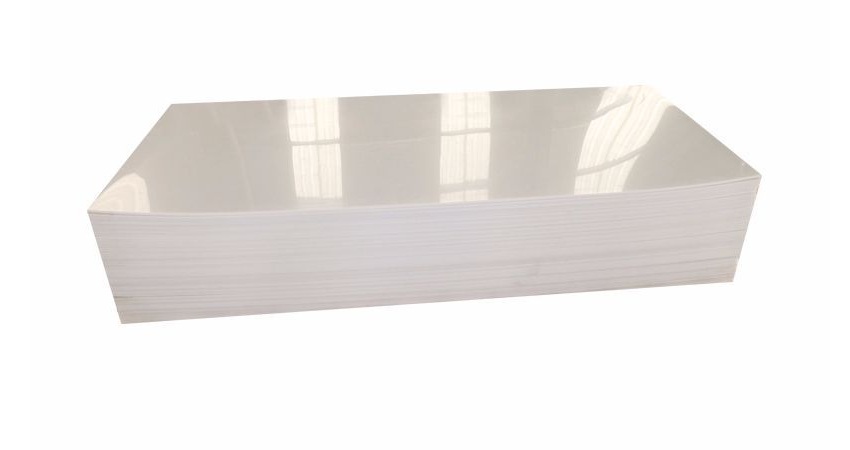


Neoprene Rubber Sheet
Model:KXT B400CR
Neoprene rubber sheet (KXT B400CR, CR/chloroprene) resists oils, diesel, fuels, dilute acids, alkalis, ozone, UV and weathering. Density 1.3–1.5 g/cm³, hardness 40–80 Shore A, tensile strength ≥6.5 MPa, service temperature −25 to +120 °C. Width 1–1.5 m, thickness 1–50 mm. Used for oil-resistant gaskets, outdoor and marine seals.
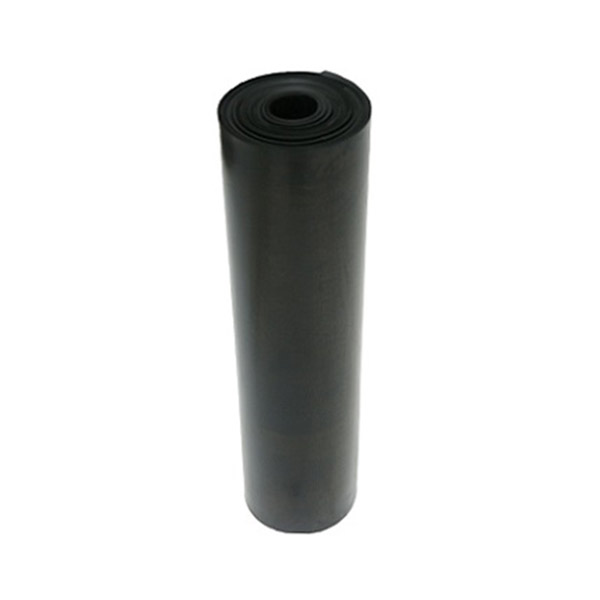
Neoprene Rubber Sheet (also called CR rubber sheet, chloroprene rubber sheet or polychloroprene sheet; Kaxite model KXT B400CR) is a solid elastomer sheet made from polychloroprene rubber. Neoprene Rubber Sheet combines good mechanical strength and abrasion resistance with resistance to oils, diesel, gasoline, lubricants, dilute acids, alkalis, ozone, UV and general weathering. These properties make Neoprene Rubber Sheet suitable for both indoor and outdoor sealing applications.
Neoprene Rubber Sheet is supplied in standard widths of 1 m, 1.2 m and 1.5 m, with thickness from 1 mm to 50 mm. Cloth-reinforced and wire-reinforced Neoprene Rubber Sheet versions are available for higher tear and blow-out resistance. Typical uses include oil-resistant flange gaskets, weather-resistant seals, marine and outdoor applications, industrial oil maintenance and general die-cut rubber parts.
ModelKXT B400CR
MaterialCR / Chloroprene
Density1.3 – 1.5 g/cm³
Hardness40 – 80 Shore A
Tensile Strength≥ 6.5 MPa
Elongation≥ 300 %
Temperature−25 to +120 °C
MOQ500 kg (negotiable)
From Our Workshop — Practical Experience with Neoprene Rubber Sheet
In our own die-cutting workshop, Neoprene Rubber Sheet KXT B400CR is used to punch gaskets for hydraulic press seals that operate at around 80 °C. After 12 months of service, the punched gaskets show no cracking and retain good compression recovery.
Neoprene Rubber Sheet is also stored outdoors on our loading dock in Ningbo for up to six months before shipment. The stored Neoprene Rubber Sheet shows no surface cracking or discolouration from UV exposure, which is consistent with the ozone and weathering resistance shown in the test data below.
These workshop observations are shared for reference only. Actual service life of Neoprene Rubber Sheet depends on the medium, temperature, compression load and installation practice of each application.
What Is a Neoprene Rubber Sheet?
Neoprene Rubber Sheet is a solid, vulcanised elastomer sheet made from polychloroprene (CR) rubber. The chlorine atom in the polychloroprene molecular chain gives Neoprene Rubber Sheet its characteristic resistance to oils, ozone, UV and weathering — properties that many general-purpose rubbers such as natural rubber or SBR do not have.
Neoprene Rubber Sheet is produced in a controlled multi-stage process:
- Compounding — polychloroprene rubber is blended with vulcanising agents, fillers, plasticisers and protective agents to a formulation matched to the target application.
- Mixing — the compound is mixed on internal mixers and open mills until uniform.
- Calendering — the compound is calendered into a continuous sheet of controlled thickness.
- Vulcanising — the sheet is vulcanised under heat and pressure to develop its final mechanical properties.
- Finishing & inspection — Neoprene Rubber Sheet is trimmed, inspected for thickness, hardness, tensile strength and surface quality, then packed.
Because the compound formulation can be adjusted, Neoprene Rubber Sheet can be tuned for higher oil resistance, higher weather resistance or higher mechanical strength. Tell us your medium, temperature and application and we will recommend the right grade.
Technical Specifications
| Property | Typical Value | Test Method |
|---|---|---|
| Model | KXT B400CR | — |
| Material | Polychloroprene rubber (CR) | — |
| Colour | Black (other colours on request) | — |
| Specific gravity | 1.3 – 1.5 g/cm³ | ASTM D297 |
| Hardness | 40 – 80 Shore A | ASTM D2240 |
| Tensile strength | ≥ 6.5 MPa | ASTM D412 |
| Elongation at break | ≥ 300 % | ASTM D412 |
| Tear strength | ≥ 35 N/mm | ASTM D624 |
| Low temperature resistance | −25 °C | ASTM D1329 |
| Service temperature range | −25 °C to +120 °C (grade-dependent) | ASTM D2000 |
| Standard width | 1 m, 1.2 m, 1.5 m | — |
| Thickness range | 1 – 50 mm | — |
Values above are typical ranges for the KXT B400CR family and are not a substitute for a specification sheet. Please request the current data sheet for the exact grade you require.
Chemical & Environmental Resistance
Neoprene Rubber Sheet offers a broad balance of resistance properties that makes Neoprene Rubber Sheet suitable for many general-purpose industrial applications.
| Medium / Condition | Resistance |
|---|---|
| Dilute acids and alkalis | Good |
| Mineral oils and petroleum oils | Good |
| Diesel, gasoline, lubricants | Good |
| Ozone and oxidation | Very good |
| UV / sunlight ageing | Very good |
| Weathering and outdoor exposure | Very good |
| Sea water | Good |
| Gas impermeability | Good |
| Adhesion to metal | Good |
| Aromatic hydrocarbons (benzene, toluene) | Fair |
| Ketones, esters, strong oxidisers | Not recommended |
| Phosphate ester hydraulic fluids | Not recommended |
Resistance ratings are indicative and are based on ASTM D2000 and Kaxite internal immersion tests at 23 °C for 72 hours. Actual performance of Neoprene Rubber Sheet depends on concentration, temperature and exposure duration. For aggressive or mixed media, please send us the medium, concentration and temperature so we can confirm the correct grade in writing.
Neoprene vs NBR, EPDM and SBR Rubber Sheet
Buyers often compare Neoprene Rubber Sheet with NBR, EPDM and SBR rubber sheets. The table below summarises the main differences to help select the right material for each application.
| Property | Neoprene (CR) | NBR | EPDM | SBR |
|---|---|---|---|---|
| Oil / fuel resistance | Good | Very good | Poor | Poor |
| Ozone / UV / weathering | Very good | Fair | Excellent | Poor |
| Low temperature limit | −25 °C | −30 °C | −40 °C | −40 °C |
| High temperature limit | +120 °C | +100 °C | +120 °C | +70 °C |
| Outdoor suitability | Excellent | Poor | Excellent | Poor |
| Water / steam resistance | Good | Good | Excellent | Good |
| Typical cost | Medium | Medium | Medium | Low |
Ratings above are typical for standard grades. For high-temperature, high-pressure or chemically aggressive service, please send us your application details so we can recommend the most suitable material.
Thickness Selection Guide
Neoprene Rubber Sheet thickness should be selected based on flange condition, bolt load and sealing pressure. The following guide reflects common practice and is for reference only.
| Application | Recommended Thickness |
|---|---|
| Low-pressure water and air seals (up to 5 bar) | 1 – 3 mm |
| Oil and fuel gaskets (up to 10 bar) | 3 – 5 mm |
| Standard industrial flange gaskets | 3 – 6 mm |
| Heavy-duty outdoor and marine sealing | 5 – 10 mm (cloth or wire reinforced) |
| Anti-vibration pads and bumpers | 10 – 50 mm |
| Laminated build-ups for thick sealing | Custom, up to 100 mm |
Thicker Neoprene Rubber Sheet is not always better. Over-thick gaskets can reduce bolt load on the sealing surface and cause creep. For critical applications, contact our engineers with flange standard, bolt size and operating pressure.
Key Performance Advantages
Oil & chemical resistance
- Good resistance to mineral oils, diesel, gasoline and lubricants.
- Good resistance to dilute acids, alkalis and sea water.
- Not recommended for aromatic hydrocarbons, ketones or strong oxidisers.
Weather & ageing resistance
- Excellent resistance to ozone, oxidation, UV and sunlight ageing.
- Suitable for long-term outdoor exposure without cracking.
- Good performance in humid, coastal and marine environments.
Mechanical properties
- Good tensile strength (≥ 6.5 MPa) and tear strength (≥ 35 N/mm).
- High elongation at break (≥ 300 %) for flexible sealing.
- Good abrasion resistance and compression recovery.
Processing & handling
- Good adhesion to metal and other substrates.
- Easy to cut, punch and die-cut into gaskets and strips.
- Available cloth-reinforced or wire-reinforced for higher strength.
Typical Applications
Neoprene Rubber Sheet is specified where a combination of oil resistance, weather resistance and mechanical strength is required. Common applications of Neoprene Rubber Sheet include:
- Oil-resistant gaskets — flange gaskets and die-cut seals for petroleum oils, diesel, gasoline and lubricants.
- Outdoor and weather-resistant seals — window and door seals, roofing seals, expansion joints and outdoor equipment seals.
- Marine applications — sea water resistant seals, deck and hull fittings, marine equipment gaskets.
- Industrial oil maintenance — oil pan gaskets, pump and compressor seals, hydraulic system gaskets.
- Rubber strips — anti-vibration pads, protective bumpers, cushioning strips and industrial linings.
- General industry — gaskets for dilute acids, alkalis and general-purpose sealing duties.
Application Case Summary
The table below summarises typical industry usage patterns of Neoprene Rubber Sheet KXT B400CR. Customer names are withheld for confidentiality.
| Industry | Application | Typical Thickness | Key Requirement |
|---|---|---|---|
| Marine equipment | Deck and hull seals | 5 – 10 mm | Sea water and UV resistance |
| Outdoor construction | Window, door and roofing seals | 3 – 6 mm | Ozone, UV and weathering |
| Oil and gas MRO | Pump and compressor gaskets | 3 – 5 mm | Oil and fuel resistance |
| General industry | Anti-vibration pads and bumpers | 10 – 30 mm | Abrasion and compression recovery |
| Chemical processing | Dilute acid and alkali gaskets | 3 – 6 mm | Chemical resistance |
Send us your application details and we will confirm whether Neoprene Rubber Sheet KXT B400CR is the most suitable material or recommend an alternative.
Supply Options & Custom Fabrication
We supply Neoprene Rubber Sheet in the form that best fits your production line:
| Option | Available Range |
|---|---|
| Form | Full sheet, strip, roll, die-cut gasket, water-jet cut part |
| Width | 1 m, 1.2 m, 1.5 m standard; custom on request |
| Thickness | 1 – 50 mm (laminated to thicker build-ups on request) |
| Colour | Black standard; other colours on request |
| Reinforcement | Cloth-reinforced or wire-reinforced versions available |
| Surface | Smooth or embossed |
| Branding | Neutral packing or your own label — OEM / ODM welcome |
Send us a drawing, a sample or simply the application details and we will quote the most economical cutting layout for Neoprene Rubber Sheet.
Need a price for Neoprene Rubber Sheet today? Tell us thickness, width, colour and quantity — our technical sales team replies within 2 business hours.
Why Buy Neoprene Rubber Sheet from Kaxite?
Ningbo Kaxite Sealing Materials Co., Ltd. is a China-based manufacturer and exporter of sealing materials, serving industrial distributors, OEMs and MRO buyers for more than a decade.
- Manufacturer, not just a trader — we control compounding, mixing, calendering, vulcanising and die-cutting in-house, which keeps quality consistent and lead times short.
- Application engineering support — our technical sales team reviews your medium, temperature and application before recommending a grade, so you do not over-specify or under-specify.
- Batch traceability — incoming rubber compounds are recorded, and finished sheets are checked for density, hardness, tensile strength, elongation, tear strength and appearance before packing.
- Third-party inspection welcome — SGS, BV, TÜV or your own nominated inspector can be arranged before shipment.
- Export experience — regular shipments to Europe, North America, the Middle East, Southeast Asia and South America, with export packing and documentation handled in-house.
- One-stop sourcing — as a full-range sealing supplier we also produce natural rubber sheet, NBR sheet, EPDM sheet, silicone sheet, Viton sheet, PTFE sheet and compression gaskets, so you can consolidate orders.
Quality Control & Inspection
- Incoming raw material check on polychloroprene rubber grade and compounding ingredients.
- In-process control of mixing ratio, calendering thickness and vulcanising temperature.
- Finished goods inspection: specific gravity, hardness, tensile strength, elongation at break, tear strength and visual defect screening.
- Ageing and ozone resistance tests as required.
- Pre-shipment sampling and retained counter-samples for traceability.
- Third-party test reports available on request against your specification.
Have a specific standard or acceptance criterion? Send it to us before ordering and we will confirm in writing whether Neoprene Rubber Sheet KXT B400CR can meet it.
Ordering, Packing & Delivery
| Item | Details |
|---|---|
| Minimum order quantity | 500 kg for standard grades (negotiable for trial orders and mixed containers) |
| Sample policy | Free A4-size samples for evaluation; buyer covers courier cost |
| Lead time | Typically 15 – 25 days after order confirmation; stock items ship faster |
| Packing | Sheets flat-packed on pallets, wrapped in film and strapped; rolls available on request |
| Shipping | Sea, air or express; FOB Ningbo/Shanghai, CIF, DDP on request |
| Payment | T/T, L/C at sight, and other terms to be agreed |
| Documentation | Commercial invoice, packing list, bill of lading, certificate of origin, test report |
Lead times are indicative and confirmed per order.
Frequently Asked Questions
What is a neoprene rubber sheet used for?
Neoprene Rubber Sheet is used for oil-resistant gaskets, weather-resistant seals, marine and outdoor applications, industrial oil maintenance, rubber strips and general-purpose die-cut parts. Neoprene Rubber Sheet is specified where a combination of oil resistance, weather resistance and mechanical strength is required.
What is the difference between neoprene and NBR rubber sheet?
Both are oil-resistant rubbers. NBR (nitrile) has slightly better resistance to petroleum-based oils and fuels, but neoprene has significantly better resistance to ozone, UV, sunlight and general weathering. For outdoor or weather-exposed applications, Neoprene Rubber Sheet is usually the better choice; for pure oil resistance in indoor service, NBR rubber sheet is often more economical.
What is the service temperature range?
The typical service temperature range for Neoprene Rubber Sheet KXT B400CR is approximately −25 °C to +120 °C, depending on the grade. Low-temperature resistance is rated to −25 °C. Tell us your actual medium and temperature cycle and we will confirm the appropriate grade.
What thicknesses and widths are available?
Standard widths are 1 m, 1.2 m and 1.5 m, with thickness from 1 mm to 50 mm. Cloth-reinforced and wire-reinforced Neoprene Rubber Sheet versions are available for higher tear and blow-out resistance. Custom sizes and laminated thicker build-ups can be produced on request.
Can you supply cloth-reinforced or wire-reinforced neoprene sheet?
Yes. We supply cloth-reinforced and wire-reinforced Neoprene Rubber Sheets for applications requiring higher tear strength or blow-out resistance. Tell us your pressure and bolt load requirements and we will recommend the appropriate reinforcement.
Is neoprene rubber sheet suitable for outdoor use?
Yes. Neoprene Rubber Sheet has excellent resistance to ozone, UV, sunlight and general weathering, which makes Neoprene Rubber Sheet suitable for long-term outdoor exposure. Neoprene Rubber Sheet is widely used for window seals, roofing seals, expansion joints and marine applications.
What is the MOQ and delivery time?
Standard MOQ is 500 kg, negotiable for trial orders or mixed containers. Production lead time is normally 15–25 days after order confirmation, and stock thicknesses can ship sooner.
Can I get a free sample before placing an order?
Yes. We provide free A4-size samples for evaluation; the buyer covers the courier cost, which can be deducted from the first order. Send us your thickness, width, colour and application details so we can send the most suitable material.
Send your specification — get a quotation and a free sample Include thickness, width, colour, reinforcement requirement and annual quantity for the fastest response.
Technical review: This Neoprene Rubber Sheet product page was reviewed by the Kaxite application engineering team, who together have more than 10 years of experience in industrial sealing materials.
Data sheet version: KXT B400CR-2026-09. Specifications subject to change without notice.
Last reviewed: September 2026.
Data sheet version: KXT B400CR-2026-09. Specifications subject to change without notice.
Last reviewed: September 2026.
Send Inquiry
Contact Info
-
Address
No. 432 Zhenhai Middle Road, Luotuo Street, Zhenhai District, Ningbo City, Zhejiang China
-
-
Email
Request a Quote or Technical Consultation
Share your sealing requirement and our technical sales team will respond within 24 business hours. For fastest service, include your flange specification, operating pressure, temperature, and process media in the message below.




News Recommendations