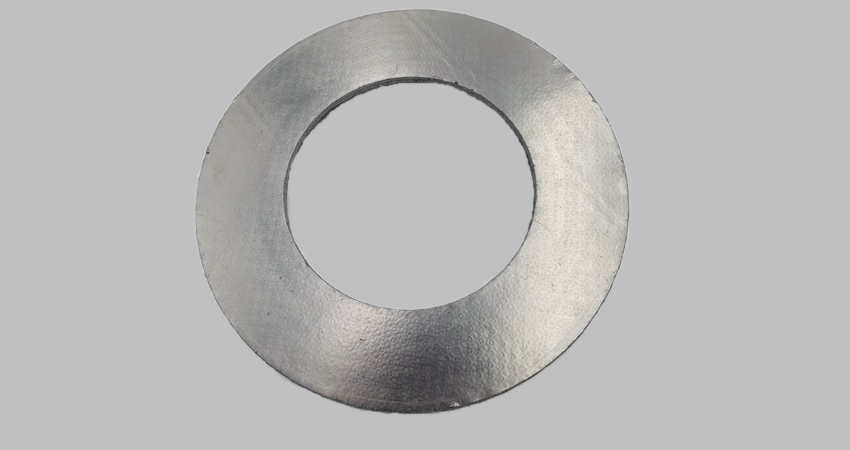
Flange Insulation Gasket Kits – Prevent Galvanic Corrosion in Pipeline Systems
What are Flange Insulation Gasket Kits?
Flange insulation gasket kits (also known as isolating gasket kits) are engineered sealing solutions that electrically isolate flanges to prevent galvanic corrosion caused by dissimilar metals in piping systems. They are critical for cathodically protected pipelines, offshore platforms, refineries, chemical plants, and water treatment facilities.
Each Kaxite flange insulation gasket kit includes:
- High-dielectric gasket (PTFE, G10, phenolic, or rubber-faced)
- Insulating sleeves and washers for bolts
- Sealing elements for leak-proof connection
- Pre-assembled kit for easy installation
Our kits comply with ASTM F436, ISO 9001:2024, and ASME B16.5 standards, ensuring reliable performance in oil & gas, chemical, power generation, and marine environments.
Technical Specifications (ASME/ANSI Class 150–2500)
| Parameter | Options / Values | Test Standard |
|---|---|---|
| Gasket Material | PTFE, G10 (Epoxy glass), Phenolic (plain or neoprene faced), Rubber (EPDM/NBR) | ASTM D709 |
| Temperature Range | -50°C to +260°C (-58°F to 500°F) | ASTM E228 |
| Pressure Rating | Up to 2500# class (413 bar / 6000 PSI) | ASME B16.20 |
| Dielectric Strength | ≥ 5 kV/mm (up to 15 kV/mm for G10) | ASTM D149 |
| Flange Sizes | 1/2″ to 48″ (DN15 to DN1200) | ASME B16.5 / EN 1092-1 |
| Thickness | 1.5 mm, 2.0 mm, 3.0 mm (custom available) | ASME B16.21 |
| Corrosion Resistance | Excellent against acids, alkalis, hydrocarbons, seawater | ASTM G48 |
Why Choose Kaxite Flange Insulation Gasket Kits?
- +15 years experience in gasket manufacturing, 100,000+ kits delivered globally.
- Patented design for high pressure (up to 6000 PSI) – reduces maintenance downtime by 40%.
- In-house lab performs dielectric, pressure, and chemical resistance tests for every batch.
- Fast turnaround – standard sizes in stock, custom sizes within 10 days.
- Free technical support – our engineers help you select the right kit for your corrosive environment.
Typical Applications & Success Cases
- Oil & Gas pipeline – Used in a 48″ offshore pipeline in Middle East, preventing galvanic corrosion for 8+ years without failure.
- Chemical plant – Sulfuric acid line, PTFE-based kit eliminated flange leakage issues, saving $120k/year in maintenance.
- Water treatment facility – EPDM insulation kits installed on cathodically protected pumps, extending pump life by 5 years.
Frequently Asked Questions (FAQ)
How do I know which flange insulation gasket kit to choose?
Consider operating temperature, pressure, flange size, and media corrosivity. For high temperatures (up to 260°C) use PTFE or G10; for low pressure and water applications, EPDM or neoprene-faced phenolic is sufficient. Our technical team can advise based on your ANSI/ASME class.
Can I reuse flange insulation gasket kits after flange disassembly?
No. Once compressed, the gasket material takes a permanent set and may not reseal. Always replace with a new kit during maintenance to ensure electrical isolation and leak-tightness.
Do your kits include all necessary components for installation?
Yes. Each kit contains the insulation gasket, insulating sleeves, flat washers, and steel washers (ASTM F436). Some kits also include alignment pins. Installation instructions are provided.
What is the lead time for a sample order?
Standard size samples (2″–8″) are available within 5 working days. Custom sizes require 10–15 working days.
Ready to protect your pipeline from galvanic corrosion? Contact us for a free consultation and quote. Our engineers will reply within 24 hours.


- View as

G10 Epoxy glass fiber Laminate tube
G10 Epoxy glass fiber Laminate tube is made from electrical glass cloth that impregnated with epoxy resin under pressure and heat, with Mechanical and electrical application, good moisture resistance.3840, 3841 (China standard) is in accordance with G10 (NEMA standard)

G10 Epoxy Resin fiberglass Laminate Insulation Composite tube
G10 Epoxy Resin fiberglass Laminate Insulation Composite tube is made from electrical glass cloth that impregnated with epoxy resin under pressure and heat, with Mechanical and electrical application, good moisture resistance. In accordance with G10 (NEMA standard)

SS316 Core Flange Isolating Gasket kits
SS316 Core Flange Isolating Gasket kits is a high reliability gasket used for both isolating and general sealing purposes in Very Critical Services. The gasket has a proven track record of integrity in aggressive sealing situations. Flange Isolating Gasket for High Pressure is suitable in all services up to and including ANSI 2500# and API 10,000# classes. Flange Isolating Gasket for High Pressure is designed for service where the cost of gasket failure cannot be tolerated. Flange Isolating Gasket for High Pressure gasket consists of a PTFE (Teflon) spring-energized face seal, or an elastomeric o-ring, seated in an isolating laminate, which is permanently bonded to a high-strength stainless steel 316 metal gasket core.
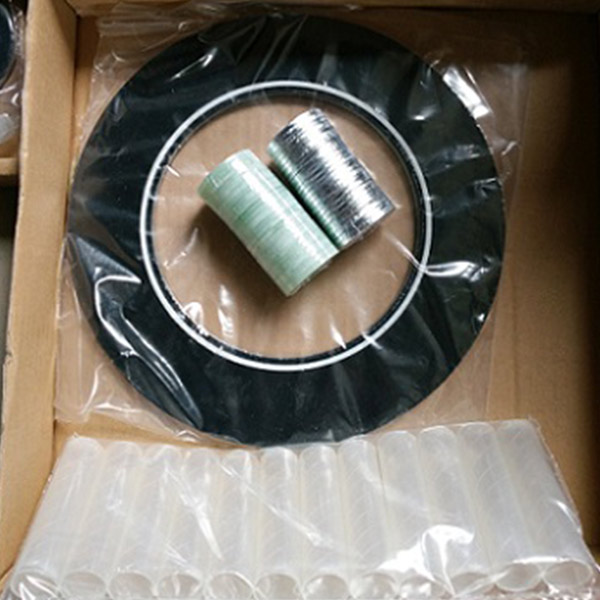
VCS Very Critical Service Flange Insulation Gasket kit
VCS Very Critical Service Flange Insulation Gasket kit is a high reliability gasket used for both isolating and general sealing purposes in Very Critical Services

Neoprene Faced Plain Phenolic Flange Insulation Gasket Kit
Neoprene Faced Plain Phenolic Flange Insulation Gasket Kit have been used as standard ''flat'' isolating gaskets in the oil and gas industries for many years. Soft neoprene rubber sheets are factory applied to both sides of a laminated phenolic retainer providing

Neoprene Faced Phenolic Gasket Kit
Neoprene Faced Phenolic Gaskets have been used as standard ''Neoprene Faced Phenolic Gasket Kit in the oil and gas industries for many years. Soft neoprene rubber sheets are factory applied to both sides of a laminated phenolic retainer providing an effective sealing surface.
Kaxite Sealing – Your Trusted Flange Insulation Gasket Kits Manufacturer in China
With over 15 years of experience, Kaxite has supplied 150,000+ insulation gasket kits to 40+ countries including USA, Germany, UAE, Saudi Arabia, and Australia. Our products are used by Sinopec, Shell, TotalEnergies, and Suez Water. We maintain a 98% on-time delivery rate and offer 12-month warranty on all kits. All kits are backed by test reports (dielectric strength, hardness, compressibility). ISO 9001:2024 certified.
Request a quote now – we will reply in under 6 hours.