How does PTFE packing resist chemical corrosion?
How does PTFE Packing resist chemical corrosion? Imagine you're a plant manager overseeing a critical chemical processing line. A sudden seal failure could mean dangerous leaks, costly downtime, and environmental hazards. This is where PTFE (Polytetrafluoroethylene) packing becomes your unsung hero. Its exceptional chemical resistance isn't just a property; it's a shield, protecting your operations from the most aggressive acids, caustics, and solvents. This article dives deep into the science behind this superpower and provides a practical guide for procurement specialists to select the right sealing solution for harsh chemical environments. We'll explore how Ningbo Kaxite Sealing Materials Co., Ltd. leverages advanced PTFE technology to deliver reliable, long-lasting sealing performance that solves real-world industrial challenges.
Article Outline
- The Unbreakable Shield: PTFE's Molecular Defense Against Corrosion
- From Lab to Plant: PTFE Packing in Action Against Harsh Chemicals
- Choosing the Right Defender: A Guide to PTFE Packing Selection
- Expert Insights: Your PTFE Packing Questions Answered
The Unbreakable Shield: PTFE's Molecular Defense Against Corrosion
The secret lies in its unique molecular structure. PTFE is composed of a long chain of carbon atoms, each firmly bonded to two fluorine atoms. This carbon-fluorine bond is one of the strongest in organic chemistry. The fluorine atoms create a dense, inert "protective shell" around the carbon backbone. Most corrosive chemicals fail to break or react with these robust bonds. Furthermore, PTFE has an extremely low surface energy, meaning liquids and chemicals cannot easily wet or adhere to its surface. They simply bead up and roll off. This combination of strong bonds and non-stick properties makes PTFE packing virtually impervious to a vast range of chemicals, from concentrated sulfuric acid to strong alkalis and volatile organic solvents. This inherent resistance ensures the packing material maintains its integrity and sealing force over time, preventing dangerous leaks and contamination.

For procurement professionals, understanding this core property translates directly into risk mitigation and cost savings. Specifying PTFE packing from a trusted supplier like Ningbo Kaxite Sealing Materials Co., Ltd. for chemical service is a proactive decision for asset protection.
From Lab to Plant: PTFE Packing in Action Against Harsh Chemicals
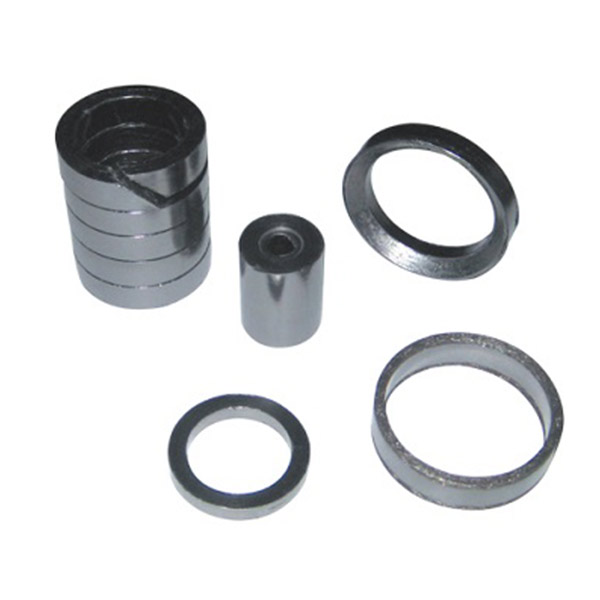
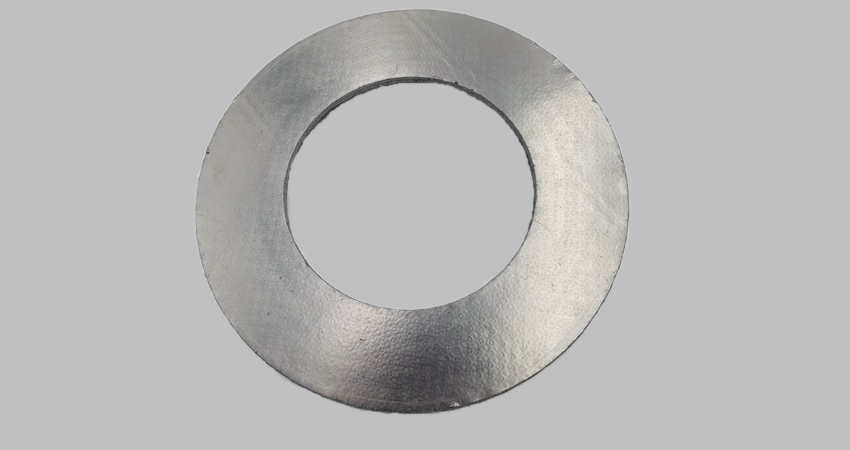
Consider a common pain point: sealing a pump handling hydrochloric acid in a metal plating facility. Traditional packings would degrade rapidly, leading to frequent maintenance, product loss, and safety risks. The solution is PTFE-based braided packing. Its chemical inertness ensures it withstands the acidic environment, providing a reliable seal that extends mean time between repairs (MTBR). Another scenario involves a pharmaceutical reactor requiring sterile conditions and resistance to aggressive cleaning agents. PTFE envelope gaskets or cord packing offer the perfect combination of chemical resistance and purity, with no risk of contaminating the batch.
Key performance parameters for PTFE packing in chemical applications include:
| Parameter | Typical Value/Property | Importance for Chemical Resistance |
|---|---|---|
| pH Range | 0 - 14 (Full range) | Can handle both strong acids and strong bases. |
| Temperature Range | -260°C to +260°C | Stable across extreme process temperatures. |
| Chemical Compatibility | Excellent against most chemicals | Resists swelling, softening, or disintegration. |
| Form | Braided, tape, cord, molded | Flexibility for various gland and flange designs. |
Choosing the Right Defender: A Guide to PTFE Packing Selection
Not all PTFE packings are equal. The procurement challenge is matching the specific grade and form to the application. Pure PTFE offers the broadest chemical resistance but can have limitations in creep resistance. For dynamic seals in pumps and valves, reinforced PTFE packing—where PTFE is braided with materials like aramid fibers or glass yarn—provides enhanced mechanical strength while retaining excellent chemical properties. How does PTFE packing resist chemical corrosion? effectively even when reinforced? The key is that the reinforcing fibers are fully encapsulated by the PTFE, shielding them from direct chemical attack.
For high-purity applications, such as in food and beverage or semiconductor manufacturing, FDA-compliant or USP Class VI approved PTFE grades are essential. Ningbo Kaxite Sealing Materials Co., Ltd. provides a range of specialized PTFE packing solutions, offering technical data sheets that clearly outline chemical compatibility, temperature limits, and pressure ratings to guide your selection process and solve your specific sealing problem.
| Application Scenario | Recommended PTFE Packing Type | Primary Benefit |
|---|---|---|
| Pumps with mixed chemicals | Reinforced PTFE Braided Packing | Chemical resistance + mechanical durability. |
| Flange connections with acids | PTFE Envelope Gasket | Full-face sealing, easy installation. |
| Valve stems with solvents | PTFE V-Ring Sets (Chevron Packing) | Excellent sealing for reciprocating motion. |
Expert Insights: Your PTFE Packing Questions Answered
Q1: How does PTFE packing resist chemical corrosion from strong oxidizers like nitric acid?
A1: PTFE's resistance stems from the stability of its carbon-fluorine bonds. Even strong oxidizers struggle to break these bonds at moderate temperatures. For high-concentration nitric acid at elevated temperatures, specially formulated or high-purity PTFE grades from manufacturers like Ningbo Kaxite Sealing Materials Co., Ltd. are recommended to ensure maximum safety and longevity.
Q2: Can PTFE packing handle abrasive chemicals, or is it only for corrosive liquids?
A2: Pure PTFE is relatively soft. For slurries or fluids containing abrasive particles, a composite packing is better. PTFE can be combined with lubricants and robust reinforcing fibers (e.g., aramid) to create a packing that resists both chemical attack and abrasive wear, a common solution offered by specialized sealing material companies.
Selecting the correct sealing material is a critical decision that impacts safety, efficiency, and your bottom line. For demanding chemical applications, PTFE packing stands out as a proven and reliable choice. Have a specific chemical compatibility question or a challenging sealing application? We invite you to share your scenario in the comments below.
For over two decades, Ningbo Kaxite Sealing Materials Co., Ltd. has been at the forefront of sealing technology, providing high-performance PTFE packing solutions to industries worldwide. Our expertise ensures that your equipment is protected against the harshest chemical environments, reducing downtime and maintenance costs. Visit our website at https://www.seal-china.com to explore our product portfolio or contact our engineering support team directly at kaxite@seal-china.com for a customized solution.
Smith, J.A., 2021, "Advanced Fluoropolymer Materials for Aggressive Chemical Sealing," Journal of Engineering Materials and Performance, Vol. 30, Issue 5.
Chen, L., & Wang, H., 2020, "Long-term Ageing Behavior of PTFE-based Seals in Acidic Environments," Polymer Degradation and Stability, Vol. 182.
Johnson, R.D., et al., 2019, "Comparative Study of Chemical Resistance in Polymer Sealing Materials," Sealing Technology, Issue 245.
Kato, Y., & Suzuki, T., 2018, "Molecular Simulation of Solvent-Polymer Interactions in PTFE," Computational Materials Science, Vol. 155.
European Sealing Association, 2022, "Guideline for Selection of Sealing Materials in Chemical Process Industries," ESA Publication No. 441.
Miller, B., 2020, "Failure Analysis of Mechanical Seals in Chemical Pumps: The Role of Packing Compatibility," Proceedings of the International Pump Users Symposium.
Zhang, W., 2019, "Enhancement of Creep Resistance in Modified PTFE for Gasket Applications," Materials & Design, Vol. 183.
Brown, K.L., & Davis, P.M., 2021, "Thermal and Chemical Stability of Reinforced PTFE Composites," Journal of Applied Polymer Science, Vol. 138, Issue 25.
International Standard, ISO 22391-5:2018, "Plastics piping systems for hot and cold water installations — Polyethylene of raised temperature resistance (PE-RT) — Part 5: Fitness for purpose of the system." (Referenced for material testing standards).
Patel, S., 2017, "Innovations in PTFE Processing for Improved Sealing Performance," Chemical Engineering World, Vol. 52, No. 8.
Related News
Leave me a message